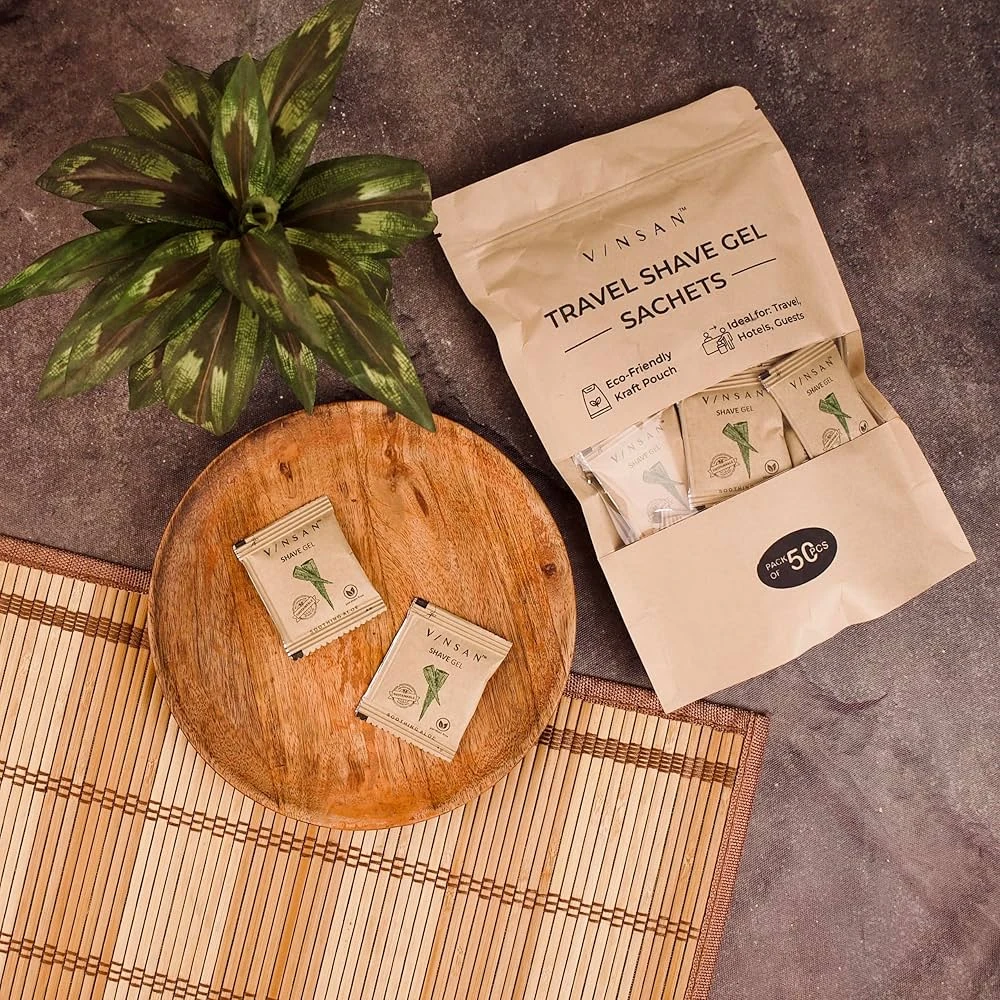

As global awareness about environmental protection grows, brands and consumers are turning to sustainable packaging solutions. Eco-friendly recyclable sachets have quickly become a preferred choice for companies aiming to reduce plastic waste, improve recyclability, and support a cleaner planet. These innovative sachets are designed to offer convenience without compromising environmental responsibility, making them ideal for industries ranging from food and beverages to cosmetics and pharmaceuticals.
What are Eco-Friendly Recyclable Sachets?
Eco-friendly recyclable pouches are lightweight, flexible packaging solutions made from materials that can be recycled after use. Unlike traditional multi-layer plastic sachets that end up in landfills, these sustainable alternatives are crafted using recyclable mono-materials such as polyethene (PE), polypropylene (PP), or paper-based laminates.
These sachets provide excellent barrier protection for products, ensuring freshness, safety, and longevity while minimising the environmental footprint.
Why The Shift to Recyclable Sachets?
1. Reduction in Environmental Impact
Traditional pouches made from mixed plastics are difficult to recycle. Eco-friendly recyclable pouches solve this problem by using single-material structures, making the recycling process simpler and more efficient.
2. Growing Consumer Demand for Sustainability
Modern consumers prefer brands that align with their values. Offering recyclable pouches enhances brand image, builds trust and attracts environmentally conscious shoppers.
3. Versatile Across Multiple Industries
Recyclable pouches are ideal for:
Food Condiment
Personal Care Products
Pharmaceuticals
Nutritional Supplement
Household cleaner
Their flexibility and protective properties make them suitable for both liquid and powder products.
4. Supports Corporate Sustainability Goals
Companies around the world are adopting green strategies to meet sustainability goals. Recyclable pouches help reduce carbon footprint and plastic waste, making them essential for CSR initiatives.
Main Benefits of Eco-Friendly Recyclable Sachets
Lightweight and portable
Recyclable pouches are easy to carry, store and transport. Their compact design reduces transportation emissions compared to bulky packaging.
Safe, durable and high barrier
Advanced recyclable materials ensure protection from moisture, oxygen, UV rays and contamination, keeping products fresh and safe.
Cost-effective for manufacturers
Despite being eco-friendly, these pouches remain cheap due to the following reasons:
low material usage
low transportation costs
Availability of sustainable films is increasing
Customizable Design
Brands can create attractive, eye-catching pouch designs by using eco-friendly inks and printing techniques that don't harm the environment.
Eco-friendly materials used in recyclable pouches
Common durable materials include:
Mono-layer PE or PP films
Paper-based laminates
Plant-derived bio-based plastics
Reusable Aluminium-Coated Films
These materials provide an excellent balance between sustainability and product safety.
Conclusion: Recyclable pouches – the future of sustainable packaging
Eco friendly sachets are changing the packaging landscape by offering the perfect blend of sustainability and functionality. They help brands reduce their ecological footprint, appeal to conscious consumers, and embrace a green future.
As the world moves toward environmentally responsible solutions, recyclable sachets stand out as a powerful step toward zero-waste packaging. Whether you are a manufacturer or a conscious buyer, choosing eco-friendly sachets is a smart, impactful decision for the planet.































Sign in to leave a comment.