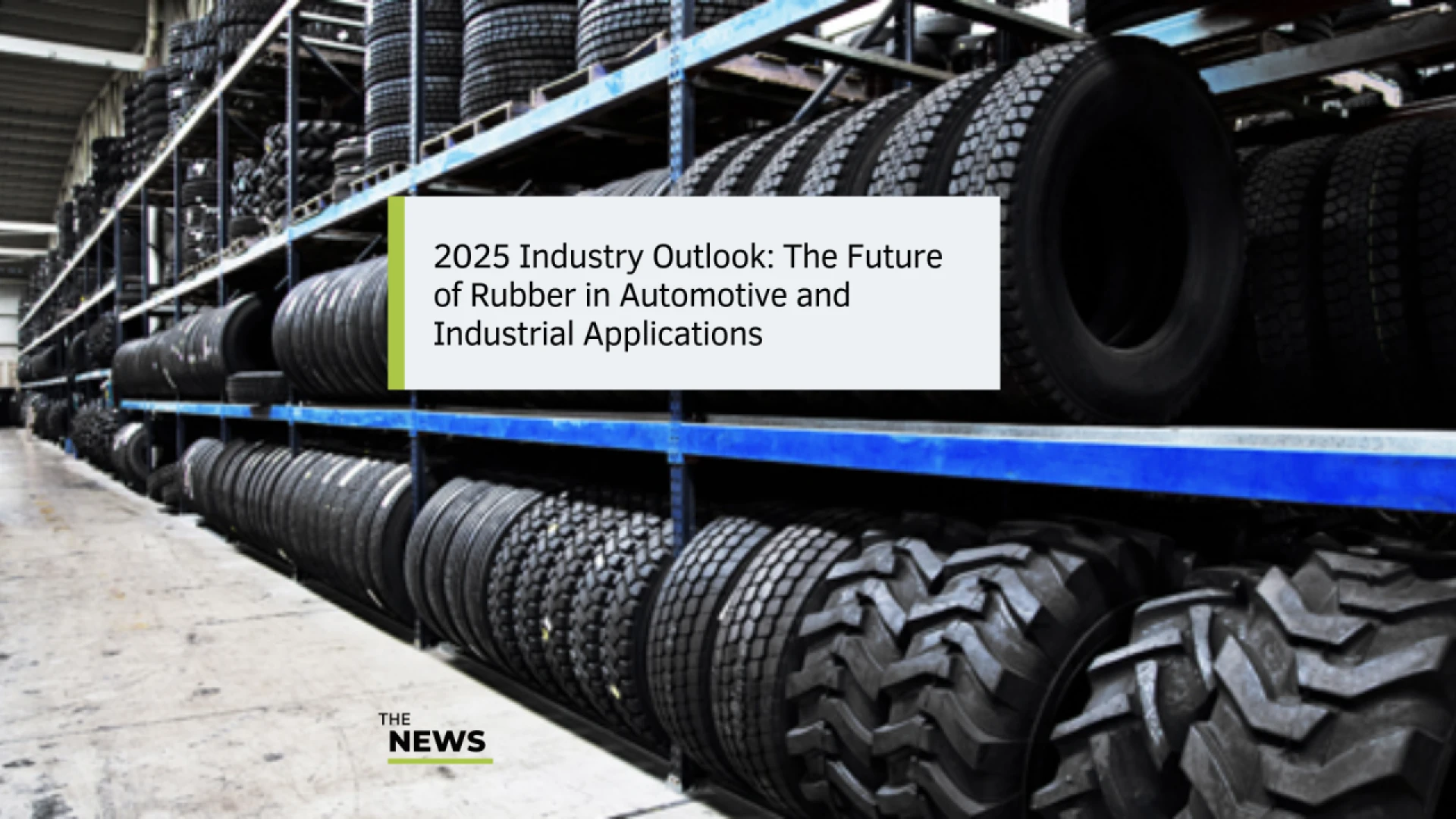

Rubber is everywhere in cars, machinery, construction, and even household products. But as industries grow, so does the responsibility to protect our environment. In 2025, industrial rubber manufacturing is going greener than ever before. From bio-based materials to energy-saving production methods, the rubber world is being reshaped by innovation.
And leading this eco-friendly transformation is Ambassador Industrial, a trusted name in industrial rubber manufacturing in Australia. They're not just keeping up with the times; they're setting the standard.
Let's explore the trends and innovations that are making rubber manufacturing more sustainable in 2025.
1. Bio-Based Rubber: Nature Does the Heavy Lifting
Traditional rubber, especially synthetic types, rely heavily on petroleum. But in 2025, a major shift is happening: bio-based rubber is on the rise.
Instead of fossil fuels, manufacturers are turning to renewable sources like:
- Guayule and dandelions (yes, dandelions!) for natural rubber alternatives.
- Plant-based oils to create more sustainable rubber compounds.
- Agricultural waste is turned into raw materials.
These alternatives reduce carbon footprints and support circular economies. Ambassador Industrial is already experimenting with bio-rubber in some of their custom rubber solutions, offering clients eco-friendlier choices without sacrificing durability.
2. Recycling and Reclaiming Rubber: Nothing Goes to Waste
Waste rubber has long been a problem, but not anymore. In 2025, the motto is: "Old rubber, new life."
Here's how it works:
- Rubber scraps from production lines are collected and reprocessed into new products
- End-of-life rubber products are shredded and turned into rubber crumb.
- Devulcanization technologies are improving, allowing vulcanized rubber (which was once hard to recycle) to be reused.
Ambassador Industrial proudly incorporates recycled materials into a growing range of their industrial rubber products, helping businesses reduce landfill waste without compromising on quality.
3. Cleaner and Greener Manufacturing Processes
Manufacturing rubber used to mean lots of energy, water, and chemicals. But today, cleaner processes are leading the way.
Some key improvements include:
- Waterless rubber mixing technologies that reduce water consumption.
- Low-emission curing ovens that cut down on greenhouse gases.
- Closed-loop systems that reuse heat and materials.
- Automation and AI for precise production and less material waste.
Ambassador Industrial continues to upgrade its facilities with greener machines and more innovative processes. Their goal? Maximize efficiency while minimizing environmental impact.
4. Sustainable Packaging: Bye-Bye, Plastic Wrap
Eco-friendly rubber manufacturing doesn't end at the factory. Packaging matters too.
In 2025, many manufacturers, including Ambassador Industrial, are saying goodbye to single-use plastics and switching to:
- Recyclable cardboard packaging
- Biodegradable protective materials
- Returnable crates and containers for bulk orders
This not only reduces plastic pollution but also adds to a brand's sustainability story—something clients now value more than ever.
5. Renewable Energy-Powered Factories
Solar panels on rooftops. Wind turbines are nearby. In 2025, rubber factories are tapping into clean energy sources to power their operations.
This shift helps reduce:
- Dependency on fossil fuels
- Electricity costs in the long run
- Greenhouse gas emissions
Ambassador Industrial is embracing renewable energy where possible, integrating solar solutions and exploring options to become more energy-independent. It's a smart move for the planet—and their bottom line.
6. Green Certifications and Transparent Practices
Customers today want more than just a good product—they want ethical and eco-conscious products. That's why many rubber manufacturers are going for:
- ISO 14001 certification (for environmental management)
- Carbon footprint reporting
- Life Cycle Assessments (LCA) for transparency
- Eco-labeling to show green credentials
Ambassador Industrial leads the way with transparent practices, proudly communicating their environmental policies and goals to their clients. It's all part of their commitment to responsible industrial rubber manufacturing.
7. Designing for Durability (and Reusability)
Let's face it, making rubber that lasts longer is one of the greenest things a manufacturer can do. And in 2025, product design is all about longevity and reuse.
That means:
- Tougher, more durable rubber products
- Modular components that are easy to replace or refurbish
- Rubber items designed for multi-use or end-of-life recycling
At Ambassador Industrial, the engineering team designs custom rubber extrusions, gaskets, seals, and other parts that not only perform under pressure but also reduce the need for frequent replacement.
8. Collaborating for Sustainability
Eco-friendly innovation doesn't happen in a vacuum. Across the rubber industry, companies are teaming up with:
- Universities and research centers
- Government clean-tech programs
- Eco-conscious clients looking for greener solutions
Ambassador Industrial works closely with suppliers, clients, and environmental agencies to stay ahead of the curve. They believe sustainable industrial rubber manufacturing is a team sport—and they're always playing to win.
Why It Matters: Sustainability is Smart Business
Going green in rubber manufacturing isn't just good for the environment—it's good for business. Clients are demanding it, regulations are tightening, and climate change isn't slowing down.
By investing in eco-friendly practices, Ambassador Industrial is future-proofing its business and helping its clients do the same.
Final Thoughts: The Future is Green (and Rubberized)
The industrial rubber manufacturing industry is undergoing a quiet revolution, driven by a focus on sustainability. From greener materials to smarter processes, 2025 is proving that rubber and eco-friendliness can go hand in hand.
And if you're looking for a partner who's already ahead of the game, look no further than Ambassador Industrial. They blend innovation, quality, and responsibility into every product they deliver. Because for them, sustainability isn't just a trend, it's a promise.
Need custom eco-friendly rubber solutions?
Let Ambassador Industrial help you build a greener future, one rubber seal at a time.






















Sign in to leave a comment.