

Eczema is one of those skin conditions that people often recognize but don’t fully understand. It can show up as dry patches, redness, itching, or irritation, sometimes appearing suddenly and lingering longer than expected. While it is not contagious or life-threatening, it can have a real impact on daily comfort, confidence, and quality of life. Understanding what causes it, how it behaves, and how people manage it can make a meaningful difference for those affected.
This article takes a clear, human-centered look at the condition—what it is, why it happens, who it affects, and the everyday strategies people use to keep their skin healthy and calm.
What This Skin Condition Actually Is
This condition refers to a group of inflammatory skin disorders that cause irritation, itching, and dryness. The most common form is atopic dermatitis, which often begins in childhood but can continue into adulthood or even start later in life.
Rather than being a single disease with one cause, it is better understood as a reaction pattern of the skin. The skin barrier becomes less effective at holding in moisture and keeping irritants out. As a result, the skin becomes sensitive, reactive, and prone to inflammation.
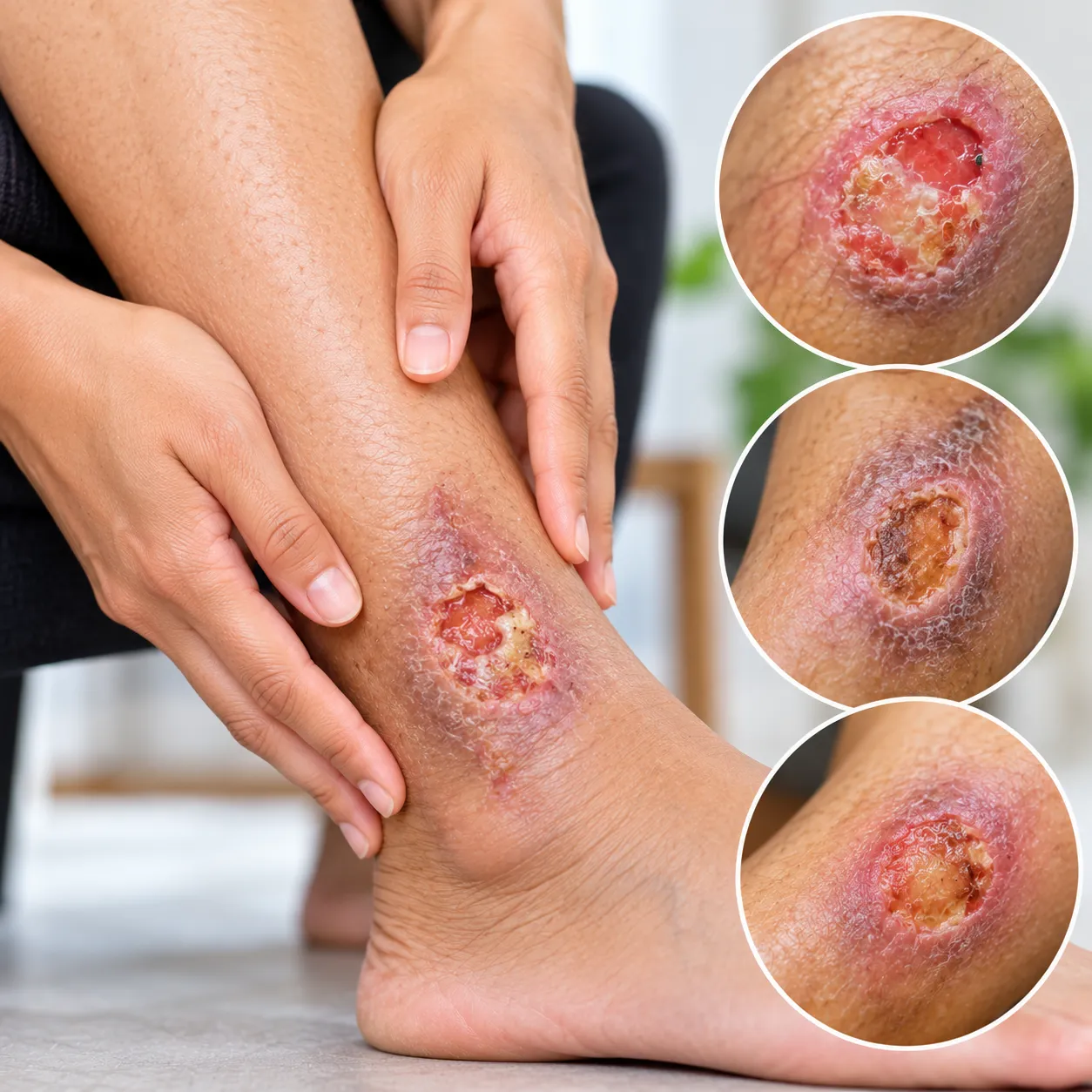
Symptoms can range from mild dryness to intense itching and inflamed patches that may crack or ooze if scratched repeatedly.
Common Symptoms People Experience
Symptoms vary widely from person to person and can change over time. Some people experience mild flare-ups once in a while, while others deal with more persistent discomfort.
Typical symptoms include:
- Dry, sensitive skin
- Persistent itching, especially at night
- Red, inflamed patches
- Rough or scaly texture
- Thickened skin in areas scratched frequently
- Small bumps that may leak fluid when irritated
The itching can be particularly challenging, as scratching often worsens the irritation and creates a cycle that is hard to break.
Why It Happens: Understanding the Triggers
There is no single cause behind this condition. Instead, it usually develops due to a combination of genetic, environmental, and immune system factors.
Some common contributors include:
Genetic Factors
People with a family history of allergies, asthma, or sensitive skin are more likely to develop it. Certain genes affect how well the skin retains moisture and protects against irritants.
Immune System Response
The immune system may overreact to substances that are usually harmless, causing inflammation in the skin.
Environmental Triggers
Everyday elements can trigger flare-ups, such as:
- Cold or dry weather
- Heat and sweating
- Harsh soaps or detergents
- Fragrances and chemicals
- Stress and lack of sleep
Because triggers vary from person to person, identifying individual patterns is often an important part of managing symptoms.
Who Is Most Commonly Affected
This condition can affect people of all ages, backgrounds, and skin types. However, it is especially common in infants and young children. Many children see improvement as they grow older, though some continue to experience symptoms into adulthood.
Adults may develop symptoms for the first time later in life, often triggered by environmental exposure, stress, or changes in immune function.
It does not discriminate by gender or geography, although climate and lifestyle can influence how often flare-ups occur.
How It Affects Daily Life
Beyond physical discomfort, living with sensitive, inflamed skin can affect emotional well-being. Persistent itching may interfere with sleep, leading to fatigue and difficulty concentrating. Visible patches can also affect self-confidence, particularly when they appear on the face, hands, or neck.
Children may become irritable due to discomfort, while adults might feel frustrated by recurring flare-ups that disrupt routines. Recognizing these emotional effects is an important step in addressing the condition holistically.
Management and Skin Care Approaches
While there is no permanent cure, many people successfully manage their symptoms with consistent care and lifestyle adjustments. The goal is to support the skin barrier, reduce inflammation, and avoid triggers.
Daily Skin Care Habits
Gentle, regular care makes a big difference:
- Moisturizing daily to lock in hydration
- Using mild, fragrance-free cleansers
- Avoiding hot showers that dry out the skin
- Patting skin dry instead of rubbing
Clothing and Environment
Soft, breathable fabrics like cotton are less irritating than rough or synthetic materials. Maintaining a comfortable indoor humidity level can also help prevent dryness.
Stress Management
Stress does not cause the condition, but it can worsen symptoms. Relaxation techniques, adequate sleep, and healthy routines may reduce flare-ups.
Medical Treatment Options
Healthcare professionals may recommend treatments depending on the severity of symptoms. These may include topical creams to reduce inflammation, oral medications in more severe cases, or specialized therapies for long-term management.
It is important to follow professional guidance and avoid self-treating with harsh products, as these can worsen irritation.
Myths and Misunderstandings
There are several misconceptions surrounding this skin condition:
- It is not contagious – You cannot catch it from someone else.
- It is not caused by poor hygiene – Overwashing can actually worsen symptoms.
- It is not “just dry skin” – While dryness is a symptom, the condition involves immune and barrier dysfunction.
Clearing up these myths helps reduce stigma and encourages better care practices.
Living Confidently With the Condition
Managing flare-ups often takes patience and consistency, but many people learn how to keep their skin calm and comfortable over time. Tracking triggers, maintaining good skin habits, and seeking professional advice when needed can lead to significant improvement.
Support from family, friends, or online communities can also be helpful. Knowing that others face similar challenges can make the journey feel less isolating.
Final Thoughts
Eczema is a complex but manageable skin condition that affects millions of people worldwide. While it can be frustrating and uncomfortable, understanding how it works and how to care for sensitive skin empowers individuals to take control of their symptoms. With the right knowledge, daily habits, and support, people can live comfortably and confidently, even with recurring flare-ups.



























Sign in to leave a comment.