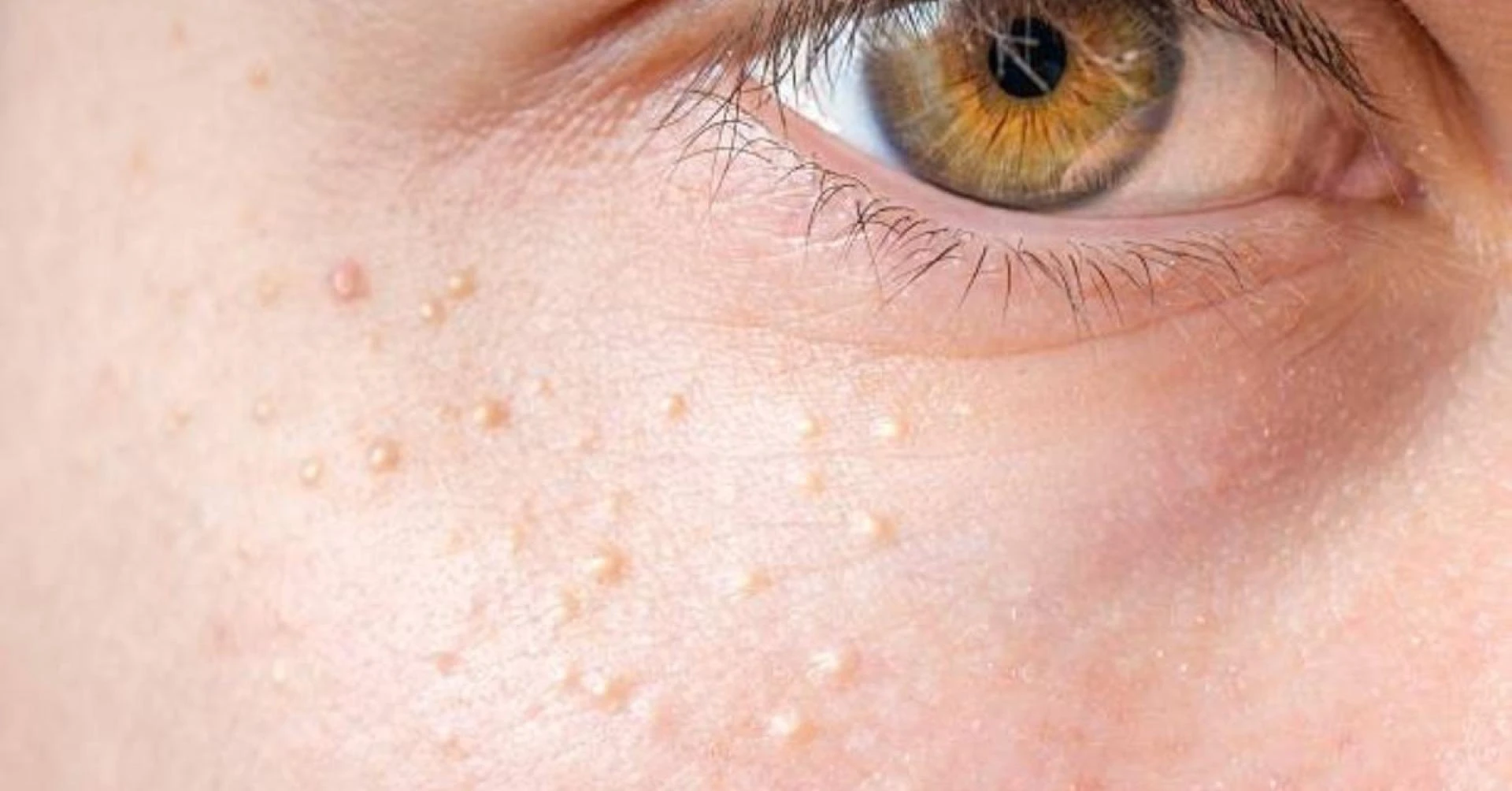

What is Milia?
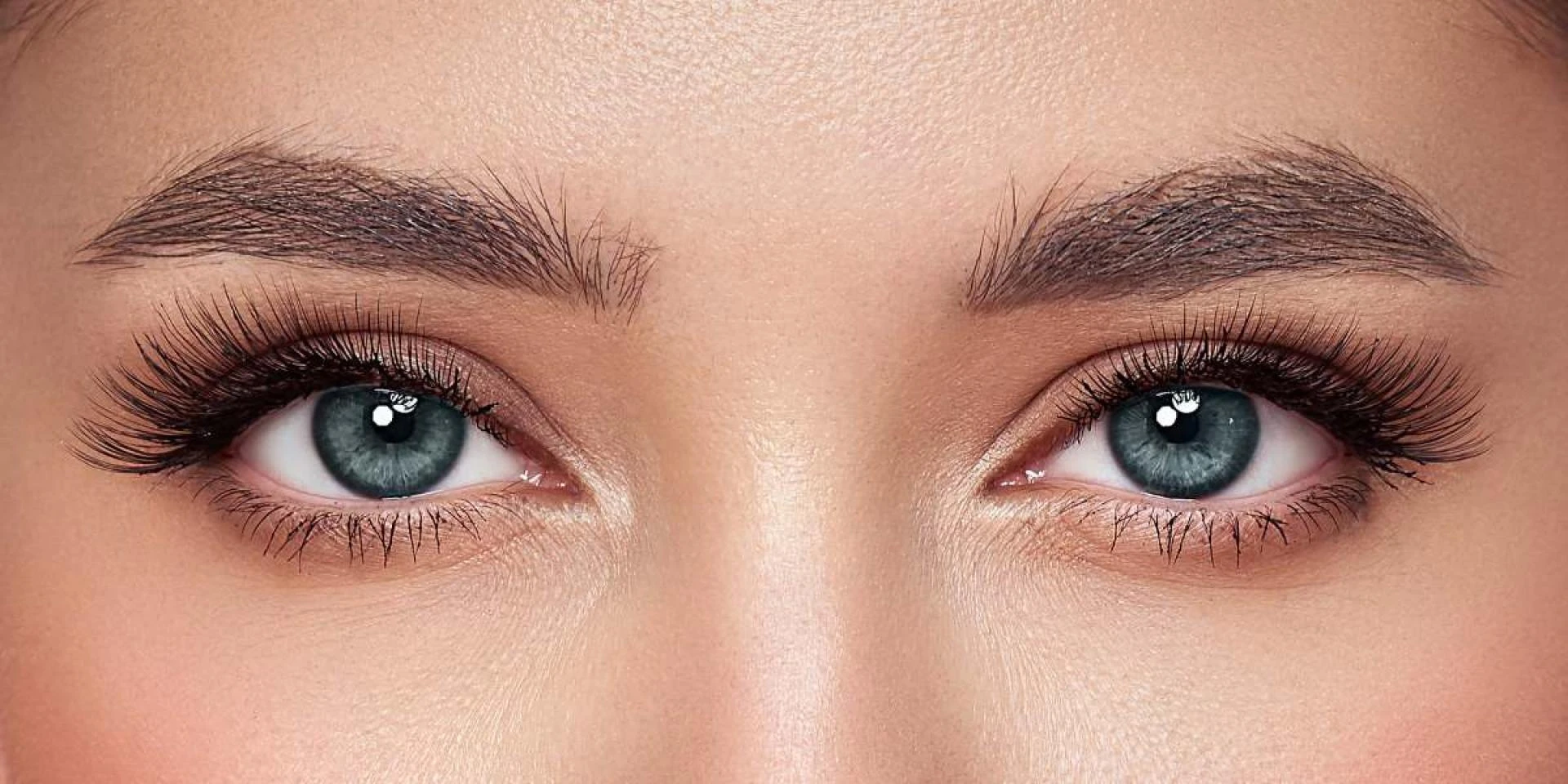
Milia are small, white or yellowish bumps that often appear on the skin, especially around the eyes, nose, and cheeks. These tiny cysts are formed when keratin, a type of protein found in the skin, becomes trapped beneath the surface. Though they are harmless and painless, milia can be a cosmetic concern for many, prompting individuals to seek removal treatments.
Milia Removal Options
There are several methods for removing milia, ranging from simple home remedies to professional medical treatments. In London, a variety of clinics and dermatologists offer specialized milia removal services. Here’s a breakdown of the most common treatments available:
1. Extractions
This is the most common method for milia removal. A dermatologist or trained professional uses a sterile needle or scalpel to create a tiny opening in the skin, then gently extracts the milia. This procedure is quick and usually does not require any downtime.
2. Laser Treatment
Laser treatment is a non-invasive option that uses focused light to remove milia. The laser works by targeting the keratin-filled cysts, breaking them down so they can be naturally absorbed by the body. This method is particularly useful for milia located in sensitive or hard-to-reach areas.
3. Chemical Peels
Chemical peels involve applying a solution to the skin that causes the top layer to peel off, revealing fresh, new skin beneath. This can help in removing milia and preventing new ones from forming. Glycolic acid and salicylic acid peels are commonly used for this purpose.
4. Microdermabrasion
Microdermabrasion is a procedure that exfoliates the skin, removing dead skin cells and promoting cell turnover. This can help to clear existing milia and prevent new ones. It is a gentle treatment suitable for most skin types.
5. Cryotherapy
Cryotherapy involves freezing the milia with liquid nitrogen. This causes the cysts to fall off naturally over time. It’s a quick and effective method, though it may cause temporary redness and swelling.
Choosing the Right Clinic in London
London is home to numerous clinics and dermatologists offering milia removal services. When choosing a clinic, consider the following factors:
1. Qualifications and Experience
Ensure that the clinic is staffed by qualified dermatologists or trained professionals with experience in milia removal. Check for certifications and read reviews from previous clients.
2. Treatment Options
Look for a clinic that offers a variety of treatment options. This allows for a personalized approach tailored to your specific needs and skin type.
3. Hygiene and Safety
Hygiene is crucial in any skin treatment. Make sure the clinic follows strict hygiene protocols to prevent infections and complications.
4. Consultation Services
A good clinic will offer a thorough consultation before the treatment. This is important to assess your skin condition, discuss the best treatment options, and address any concerns you may have.
5. Cost
Milia removal costs can vary widely depending on the treatment method and the clinic. It’s advisable to get quotes from several clinics and compare their services and prices.
Aftercare Tips
After milia removal, proper aftercare is essential to ensure quick healing and prevent recurrence. Here are some tips to follow:
1. Keep the Area Clean
Gently cleanse the treated area with a mild, non-irritating cleanser. Avoid harsh scrubs or exfoliants that can irritate the skin.
2. Avoid Sun Exposure
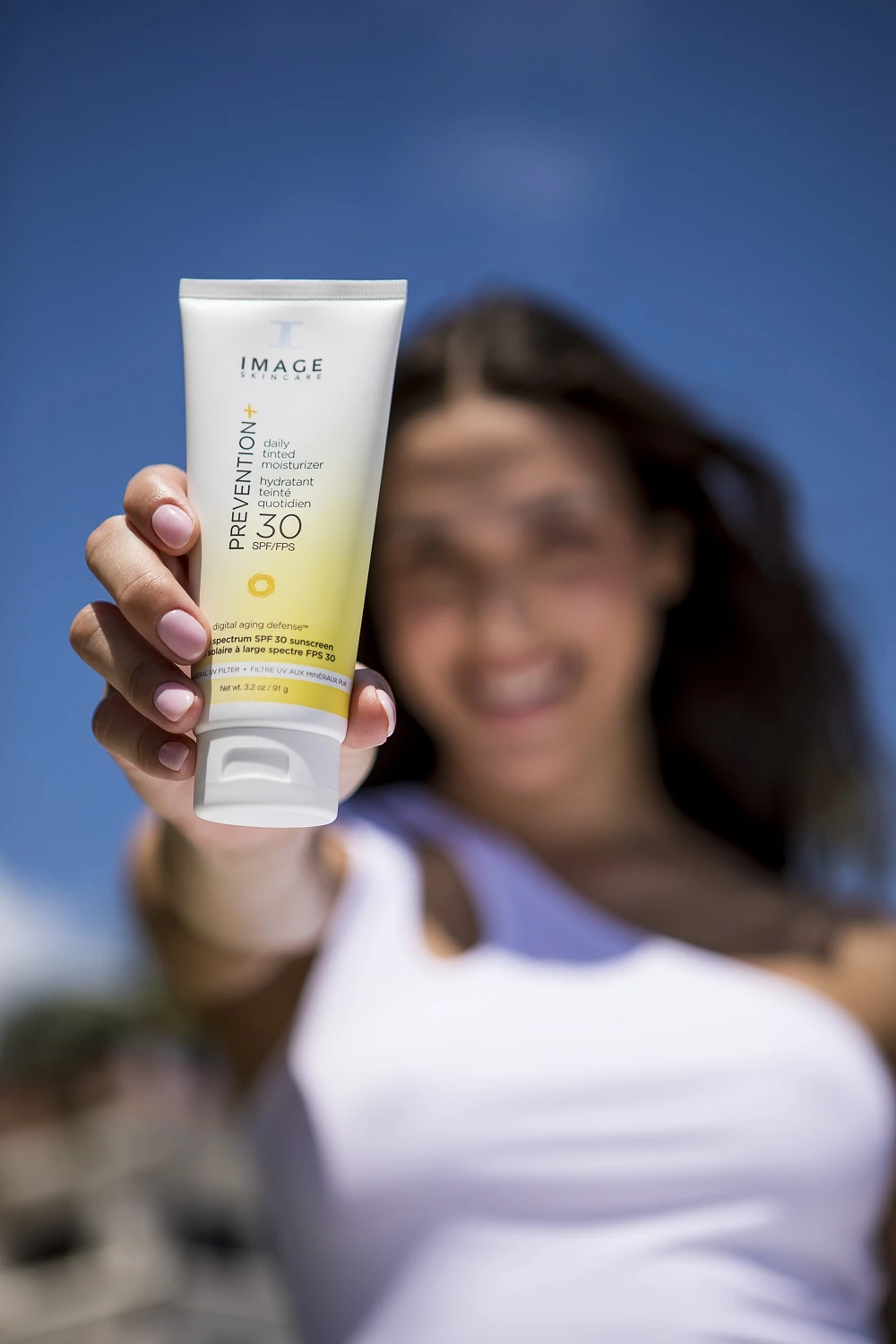
Protect the treated area from direct sun exposure by wearing sunscreen or protective clothing. This helps to prevent hyperpigmentation and other skin issues.
3. Moisturize
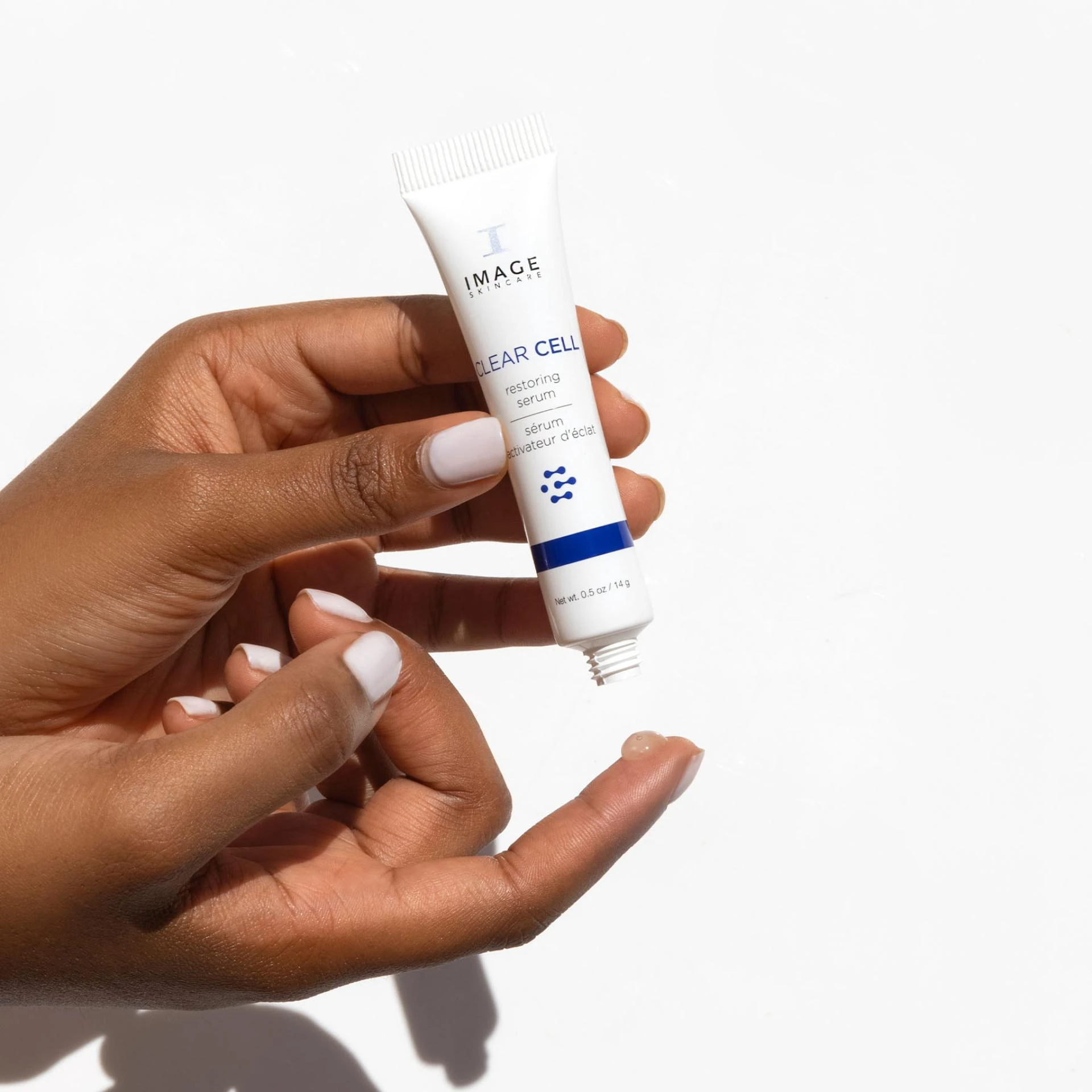
Keep the skin hydrated with a gentle, non-comedogenic moisturizer. This aids in the healing process and keeps the skin healthy.
4. Follow Instructions
Follow any specific aftercare instructions provided by your dermatologist or the clinic. This may include avoiding certain products or activities for a specified period.
5. Monitor Your Skin
Keep an eye on the treated area for any signs of infection or complications. If you notice anything unusual, contact your dermatologist immediately.
Conclusion
Milia removal in London is a common and accessible cosmetic procedure with several effective treatment options. Whether you opt for a simple extraction, laser treatment, or chemical peel, it’s important to choose a reputable clinic and follow proper aftercare to achieve the best results. By doing so, you can enjoy clear, smooth skin and the confidence that comes with it.















Sign in to leave a comment.