
Off-roaders know the tough need to get going when things get complicated. But even the most experienced off-roaders can run into trouble if they're unprepared. That's why it's crucial to have a few practical off-roading recovery tips up your sleeve.
Here are some effective tips to get your vehicle out of tough spots on the trail.
Avoid getting stuck
When you're off-roading, it's essential to know your limitations. Don't try to be a hero if you come across a terrain that looks too difficult or dangerous to pass through. If you're having doubts, it's helpful to trust your instincts. Stop and call for help, then wait for assistance. Trying to power through can result in severe damage to your vehicle, and it's not worth the risk. Play it safe and call for backup if you need it.
Lower the tire pressure
Lowering the tire pressure will give you more traction and make it easier to recover the vehicle. You can use a hand pump if you don't have a compressor. Be careful not to overinflate your truck tires, as this can cause even more problems. Once the tire pressure is lowered, you can start off-road recovery. It involves using a winch or chain to pull the vehicle out of the mud or sand. It's always best to have someone else with you when you're doing this, as they can help guide the vehicle and prevent it from getting stuck again.
Build a traction path
With a bit of creativity and some basic supplies, it is possible to build a temporary path that will allow you to get your rig back on solid ground when the situation calls for it. The first step is to find a material that can be used to create traction, such as sand, gravel, or even floor mats. Once you have your material, spread it out before the tires so the wheels can get a good grip. Next, use whatever you have on hand to create something that can act as a ramp, such as logs or cinder blocks. Finally, drive slowly towards your temporary road.
Assess your situation
If you get stuck, you must stay calm and assess the situation. There's no need to panic - you're not going anywhere anytime soon. Turn off the engine and survey your surroundings. Once you've accepted that you're stuck, it's time to start planning your off-road recovery. Depending on the difficulty of the situation, you may be able to get yourself unstuck with a few simple tools. If not, you may need to call for help.
Remove dirt stuck on the tire grooves
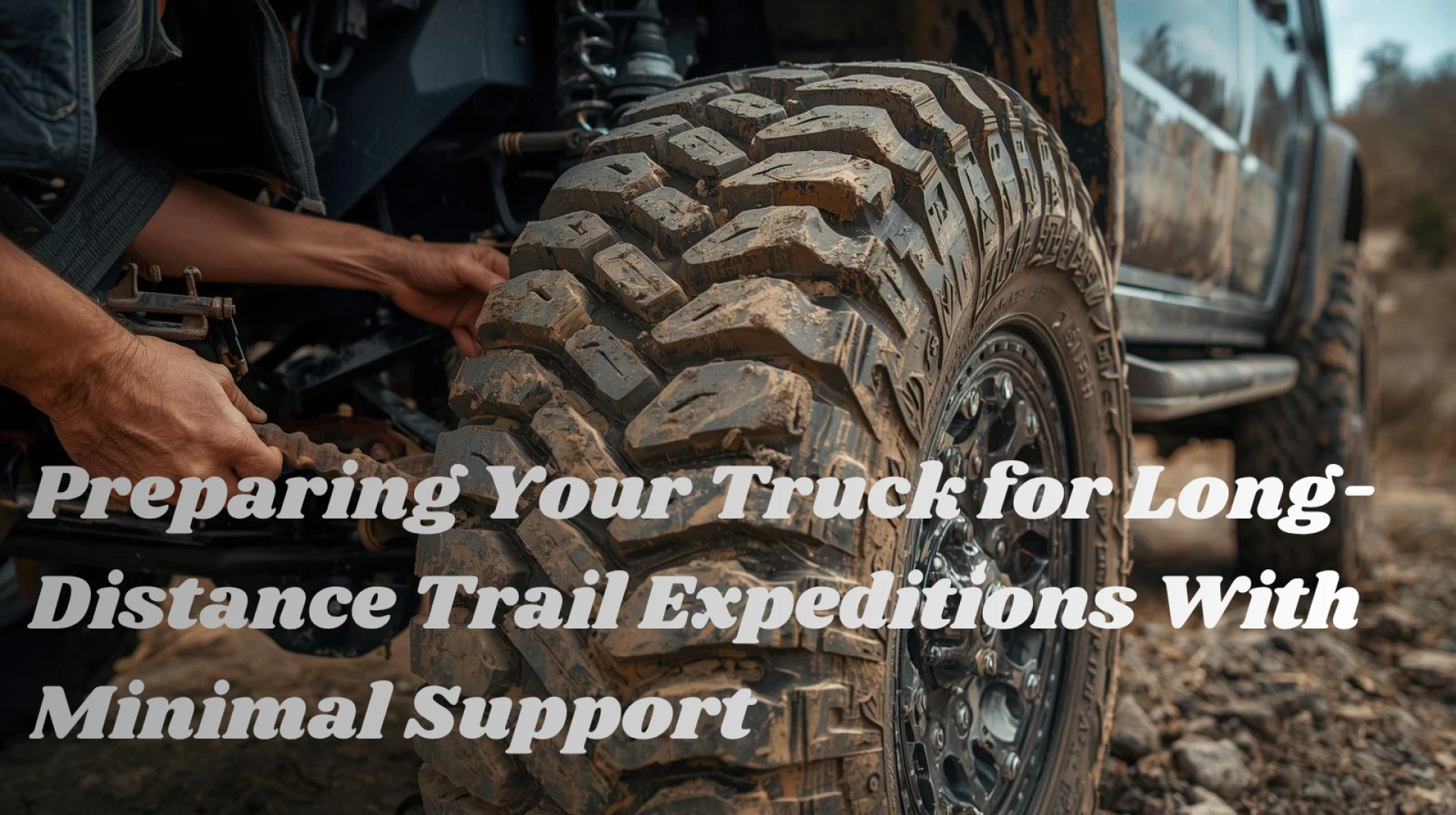
When you're driving on dirt roads, some of the dirt will inevitably get stuck in the grooves of your tires. If you don't remove it, it can act like a wedge and make it difficult for tires to grip the road. That's why it's crucial to make time to clean your tires before you head off on your next off-road adventure. The best way to remove stuck-on dirt is with a wire brush. Just brush away the dirt until the grooves are clean. You can also use a tire scraper or shovel to remove the mud caked on your tire treads. Investing in reputable mud terrain tires like the Mud Grappler Nitto tires is a must when off-roading.
Use a recovery strap if needed
Recovery straps help pull a stuck vehicle out of mud, sand, or snow. They're also great for rescuing vehicles that have gone off the side of the road. If you need to use a recovery strap, there are a few things to remember. First, ensure the strap is securely attached to both the stuck and rescue vehicles. You must be careful in putting too much strain on the strap. If it breaks, it could cause serious injury. Finally, take your time and be careful not to suddenly jerk the stuck vehicle.
Ensure proper usage of the winch
As any off-roader knows, a winch is an essential tool for recovery when you get stuck. But a winch is only as good as the operator, so it's necessary to know how to use one properly. Always make sure that the winch is properly anchored before you start cranking. Otherwise, the entire load will be transferred to the winch, which could cause damage or even breakage. Take care when winding the rope or cable around objects. It's crucial to keep it tight so that it doesn't slip, but you don't want to kink or damage the line. Finally, always be aware of your surroundings when operating a winch. You could injure yourself or someone else if you're not careful.
Try doing a deadman's anchor
When you get stuck while off-roading, your first instinct is to call for help when you are far from civilization, and a tow truck isn't an option. In these situations, you'll need to rely on your off-road recovery skills to get yourself unstuck. You should know how to perform a dead man's anchor. This technique uses a winch and anchor point to pull your vehicle out of mud, sand, or snow. To set up a dead man's anchor, start by identifying a firm anchor point that your winch can attach to. It could be a large tree, boulder, or another off-road vehicle. Once you've found an anchor point, attach your winch line and begin winching your vehicle out of its predicament.
Practice static and kinetic pulls
In off-road recovery, there are two main types of pulls: static and kinetic. Static pulls are when the vehicle is not moving, and kinetic pulls are when the vehicle is in motion. Each type of pull has its advantages and disadvantages. With a static pull, you have more control over the vehicle and can apply more force. However, if the vehicle is stuck in a difficult position, it may be challenging to get it moving. You can use the vehicle's momentum to your advantage with a kinetic pull. However, if the vehicle is not moving fast enough, you may not be able to generate enough force to free it. As a result, it is often needed to use both types of pulls in off-road recovery.
Use a good hitch pin, soft shackles, and d-rings
If you're serious about off-road recovery, you must invest in a good hitch pin, soft shackles, and d-rings. A hitch pin is essential for attaching your winch line to your vehicle, and soft shackles are ideal for connecting your line to trees or other anchor points. D-rings are crucial for creating a secure connection between your vehicle and another object, and they're also handy for attaching snatch blocks and other off-road recovery gear.
Make sure to bring an ax or a chainsaw
Bringing an ax or a chainsaw with you is always a good idea. These tools can help you clear a fallen tree from the trail or saw through a locked chain. And while you might be able to borrow tools from other people in your group, it's always better to be self-sufficient. That way, if you get stuck, you can get yourself out without relying on someone else.
Bring a proper recovery board
Make sure to bring a proper off-road recovery board, there are a few things you'll have to remember in case you haven’t bought one. First, consider the size of the board. You'll want something big enough to accommodate your vehicle but not so big that it's unwieldy to maneuver. Second, think about the material the board is made of. If you're doing a lot of off-roading, you'll need something that can stand up to rough terrain. Finally, consider the price. Recovery boards can range in price from a hundred dollars to over a thousand, so it's crucial to find one that fits your budget.
Bring a tire repair kit
No matter how carefully you plan your off-road adventure, there's always a chance that you'll get a flat tire. That's why it's crucial to be prepared and bring a tire repair kit. These kits usually contain everything you need to fix a flat, including an air pump, patches, and a tire plugger. Most kits also come with instructions on how to use the tools, so even if you've never repaired a tire before, you should be able to get the job done.
Final say
In conclusion, when taking on the daunting task of vehicle recovery, you must be prepared with both the right mindset and the proper tools. Be sure to familiarize yourself with the recovery equipment and always be careful when using potentially dangerous items. Try to remain calm throughout the process.








Sign in to leave a comment.