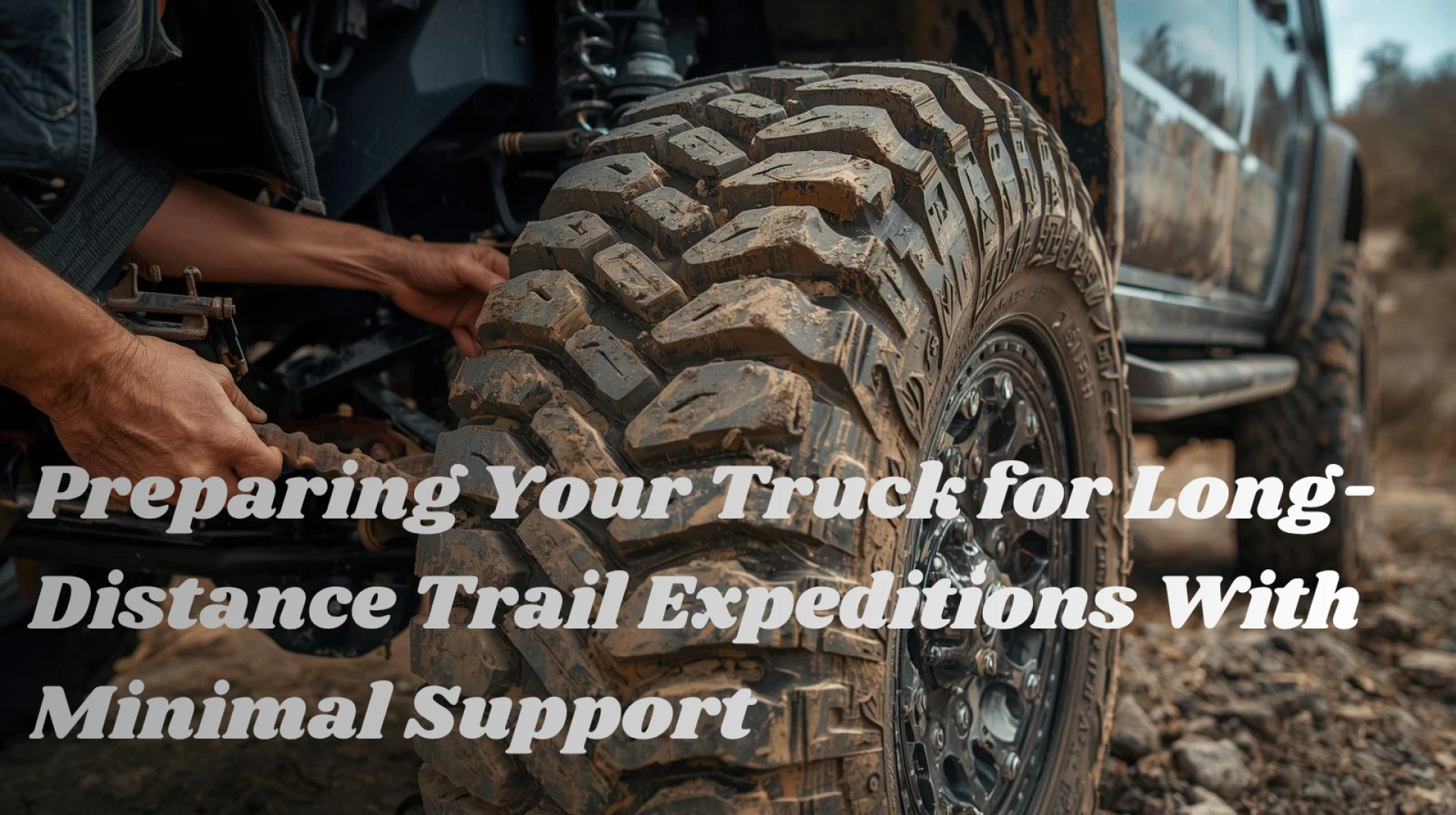

Long-distance trail expeditions are very different from casual weekend off-roading. When routes extend deep into remote terrain, outside help may be hours or even days away. In these situations, a truck must function as a reliable self-contained platform capable of handling rough terrain, carrying supplies, and overcoming unexpected mechanical challenges. Preparing a truck for this kind of journey requires more than simply adding a few upgrades. It involves thoughtful planning, careful inspection, and the selection of equipment that supports reliability and self-sufficiency. From essential gear to drivetrain readiness, proper preparation helps ensure that a remote trail expedition remains safe, manageable, and enjoyable.
Start With a Comprehensive Mechanical Inspection
Before considering any upgrades or gear, the most important step is ensuring the truck itself is mechanically sound. Remote travel places continuous stress on components that might otherwise go unnoticed during normal driving.
Key areas to inspect include:
- Engine health: Check for leaks, worn belts, and aging hoses.
- Cooling system: Long climbs and slow trail speeds can increase engine temperatures.
- Transmission and transfer case: Confirm fluid levels and inspect for contamination.
- Brakes: Off-road descents demand strong and consistent braking performance.
- Steering components: Worn tie rods or ball joints can quickly worsen on rough terrain.
A preventative inspection reduces the likelihood of mechanical failures far from assistance. Even small issues, like a weak hose clamp or worn belt, can become serious problems when traveling long distances through isolated trails.
Choose the Right Tires for Remote Terrain
Few components influence off-road capability more than truck tires. Long-distance trail travel exposes tires to sharp rocks, loose gravel, mud, and uneven terrain for extended periods. Selecting the right tires and ensuring they are in excellent condition greatly improves both traction and durability.
When preparing tires for a remote expedition, consider:
- Tread pattern suited for mixed terrain
- Strong sidewalls that resist punctures
- Adequate tread depth for grip
- Proper load rating for gear and equipment
Carrying a full-size spare tire is essential. In more remote regions, many experienced travelers bring two spares or a repair kit to fix punctures and sidewall damage.
Tire pressure management is also important. Lower pressures can improve traction on sand, rocks, or loose surfaces, but drivers must carry an air compressor to reinflate tires before returning to higher-speed travel.
Equip the Truck With Practical Trail Accessories
Remote expeditions often require equipment that helps solve problems without outside help. This is where well-chosen truck accessories become valuable not as cosmetic additions, but as tools that increase self-sufficiency.
Common accessories for long-distance trail travel include:
- Recovery points and tow hooks
- Portable air compressors
- Recovery boards
- High-lift or bottle jacks
- Winches or recovery straps
- Shackles or soft shackles
- A shovel
- Gloves and protective gear
Each accessory serves a purpose, such as getting unstuck from mud, navigating rocky terrain, or changing a tire on uneven terrain.
The key is choosing gear that adds real utility rather than unnecessary weight. Every item carried on a remote expedition should justify its presence through practical use.
Plan for Fuel Range and Consumption
Fuel availability can be unpredictable in remote areas. Trail driving typically consumes more fuel than highway driving due to slower speeds, steep climbs, and frequent gear changes.
Preparation may involve:
- Calculating estimated fuel consumption for the terrain
- Carrying auxiliary fuel containers
- Monitoring fuel usage throughout the trip
Some trucks can benefit from auxiliary fuel tanks, but portable fuel cans remain a simple and effective solution for extending travel range. Secure mounting is important to prevent movement or spills during rough trail conditions.
Planning fuel stops in advance also helps avoid unnecessary detours or risky attempts to reach distant fuel stations.
Build a Reliable Emergency Kit
When traveling deep into remote trail systems, an emergency kit becomes just as important as mechanical preparation. In areas where outside assistance may take hours or even days to reach you, having the right supplies on hand can make a significant difference in safely handling unexpected situations.
A well-prepared emergency kit should support both basic medical needs and survival in emergencies. Even minor injuries or sudden weather changes can become more serious when you are far from services or populated areas.
A practical truck emergency kit often includes:
- A comprehensive first aid kit with bandages, antiseptic wipes, gauze, and basic medications
- Emergency blankets or thermal blankets for cold or sudden weather shifts
- Extra drinking water and basic food supplies
- Flashlights or headlamps with spare batteries
- A multi-tool or utility knife
- A whistle or signaling device for attracting attention if needed
Communication tools can also be valuable additions to an emergency setup. Devices such as satellite messengers or emergency beacons allow travelers to send distress signals even when cellular service is unavailable.
Emergency items should be stored in a clearly labeled, easily accessible container rather than buried under other gear. In urgent situations, quick access can be critical.
Preparing an emergency kit may feel like a precaution you hope never to use, but experienced trail travelers understand its importance.
Protect Critical Components From Trail Damage
Remote trails often expose the underside of a truck to rocks, debris, and uneven ground. Protecting critical components helps prevent small impacts from becoming trip-ending failures.
Areas worth protecting include:
- Engine oil pan
- Transmission housing
- Transfer case
- Fuel tank
Skid plates and underbody protection can reduce the risk of punctures or mechanical damage when navigating rocky terrain. Even moderate trails can produce unexpected contact with obstacles, especially when carrying extra gear.
Drivers should also inspect the truck’s approach and departure angles to minimize the chances of scraping bumpers or dragging the rear end on steep obstacles.
Prepare for Navigation Without Cell Service
Many long-distance trails run through areas with unreliable or nonexistent cellular service. Drivers should be prepared to navigate using tools that do not rely on network connectivity.
Common navigation options include:
- Offline GPS maps
- Dedicated off-road navigation devices
- Printed topographic maps
- Compass backup navigation
Before departing, downloading offline maps and marking important points, such as fuel stops, nearby hospitals, towing services, vehicle service shops, campsites, and exit routes, can make navigation easier when signals disappear.
Sharing the planned route with someone outside the expedition group is also a good safety practice.
Pack Supplies With Weight and Balance in Mind
A truck prepared for remote travel often carries camping gear, food, water, tools, and spare parts. However, poorly distributed weight can negatively affect vehicle stability and suspension performance.
To maintain balanced handling:
- Store heavier items low and close to the center of the truck
- Avoid stacking excessive weight on the roof racks
- Secure all cargo to prevent shifting during rough travel
Water is one of the heaviest but most important supplies for remote trips. Drivers should carry enough for drinking, cooking, and basic emergencies.
Organized storage also improves efficiency, making it easier to access tools and equipment when needed.
Bring Spare Parts for Common Trail Failures
Certain vehicle components are more likely to fail during long off-road journeys. Carrying basic spare parts can turn a potential trip-ending breakdown into a manageable roadside repair.
Helpful spare parts may include:
- Serpentine belts
- Radiator hoses
- Fuses and relays
- Tire repair plugs
- Extra engine fluids
While it is impossible to prepare for every scenario, carrying commonly needed parts significantly increases the chances of resolving minor mechanical problems in remote areas.
Test the Truck Before the Expedition
Once modifications and preparations are complete, it is wise to conduct a short shakedown trip before committing to a long-distance trail expedition.
A test run helps confirm:
- All accessories function properly
- Suspension handles the added weight
- Tire pressure adjustments work as expected
- Gear is properly secured and accessible
Small issues often appear during these early tests, giving drivers time to fix problems before they become serious in remote environments.
Remote Trails Reward Prepared Drivers
Preparing a truck for long-distance trail expeditions requires careful planning, attention to mechanical reliability, and thoughtful equipment choices. Remote travel places greater demands on vehicles than typical off-road outings, making preparation a critical part of the experience. When the truck is properly prepared, long-distance trail expeditions become less about worrying over potential problems and more about enjoying the journey through remote landscapes.




























Sign in to leave a comment.