

Introduction
As enterprises continue to embrace artificial intelligence (AI) to drive innovation, efficiency, and competitive advantage, the complexities of adopting AI at scale remain formidable. The year 2026 marks a pivotal point where AI technologies have matured, yet many organizations still grapple with significant hurdles in their AI adoption journeys. Understanding these challenges and exploring practical solutions is essential for enterprises aiming for responsible, scalable, and sustainable AI integration.
This in-depth article delves into the multifaceted obstacles enterprises face when adopting AI, drawing on recent industry insights, expert analyses, and case studies. It will also highlight actionable strategies and frameworks that organizations can employ to overcome these barriers and unlock the full potential of AI.
Understanding Enterprise AI Adoption Challenges
Enterprise AI adoption is not simply a matter of deploying new software or installing advanced algorithms. The process involves a complex interplay of technological, organizational, and human factors. Below, we examine the key challenges encountered by enterprises in 2026.
1. Data Quality, Availability, and Governance
High-quality data is the lifeblood of effective AI systems. Enterprises often struggle with fragmented data sources, inconsistent data formats, and legacy data infrastructure that hinder AI model training and deployment. Furthermore, poor data governance leads to issues around data privacy, security, and compliance, especially with evolving global regulations.
Data silos across departments restrict the holistic view necessary for AI insights, while data labeling and annotation can be labor-intensive and costly. Without robust data management strategies, AI projects risk delivering biased or inaccurate outcomes.
2. Integration with Legacy Systems
Many enterprises operate on complex legacy IT architectures that were not designed to support AI workloads. Integrating AI solutions with these systems can be technically challenging, costly, and risky. Compatibility issues, lack of standardized APIs, and outdated hardware or software platforms slow down AI adoption.
Additionally, migration to cloud-based AI services is often hindered by security concerns and regulatory constraints, especially for industries such as finance and healthcare, where data sensitivity is paramount.
3. Talent Shortage and Skill Gaps
The demand for AI expertise far exceeds supply. Enterprises face difficulties in recruiting and retaining skilled AI engineers, data scientists, and machine learning specialists. Moreover, existing workforce members often lack the necessary skills to collaborate effectively with AI systems or to interpret AI outputs for decision-making.
Bridging this skill gap requires ongoing training programs, organizational culture shifts, and sometimes partnering with external experts or AI vendors.
4. Ethical and Responsible AI Concerns
AI ethics have gained prominence as enterprises recognize potential risks such as algorithmic bias, lack of transparency, and unintended social consequences. Building trust with customers, regulators, and employees necessitates deploying AI responsibly, ensuring explainability, fairness, and accountability.
Managing ethical AI requires frameworks, governance boards, and continuous monitoring mechanisms, which many enterprises have yet to establish comprehensively.
5. Change Management and Organizational Resistance
AI adoption often disrupts traditional workflows and job roles, leading to resistance from employees and even leadership. Without clear communication, involvement, and training, AI initiatives risk low adoption rates, reduced productivity, or active pushback.
Successful AI integration demands strong change management practices, including stakeholder engagement, transparent goal-setting, and aligning AI deployment with business objectives.
6. Measuring AI ROI and Managing Expectations
Demonstrating tangible business value from AI investments remains elusive for many enterprises. The complexity of AI projects, long development cycles, and indirect impact on revenues make it difficult to quantify return on investment (ROI).
Unrealistic expectations about AI capabilities can lead to disillusionment and project abandonment. Enterprises need clear metrics and milestones to track AI performance and benefits objectively.
7. Security Risks and Cyber Threats
AI systems themselves can introduce new vulnerabilities. Cyber adversaries may exploit AI models through adversarial attacks, data poisoning, or model inversion techniques. Protecting AI infrastructure requires specialized security tools and practices.
Moreover, AI can be used maliciously, raising concerns about governance and defense mechanisms within enterprises.
Practical Solutions and Strategies for Overcoming AI Adoption Challenges
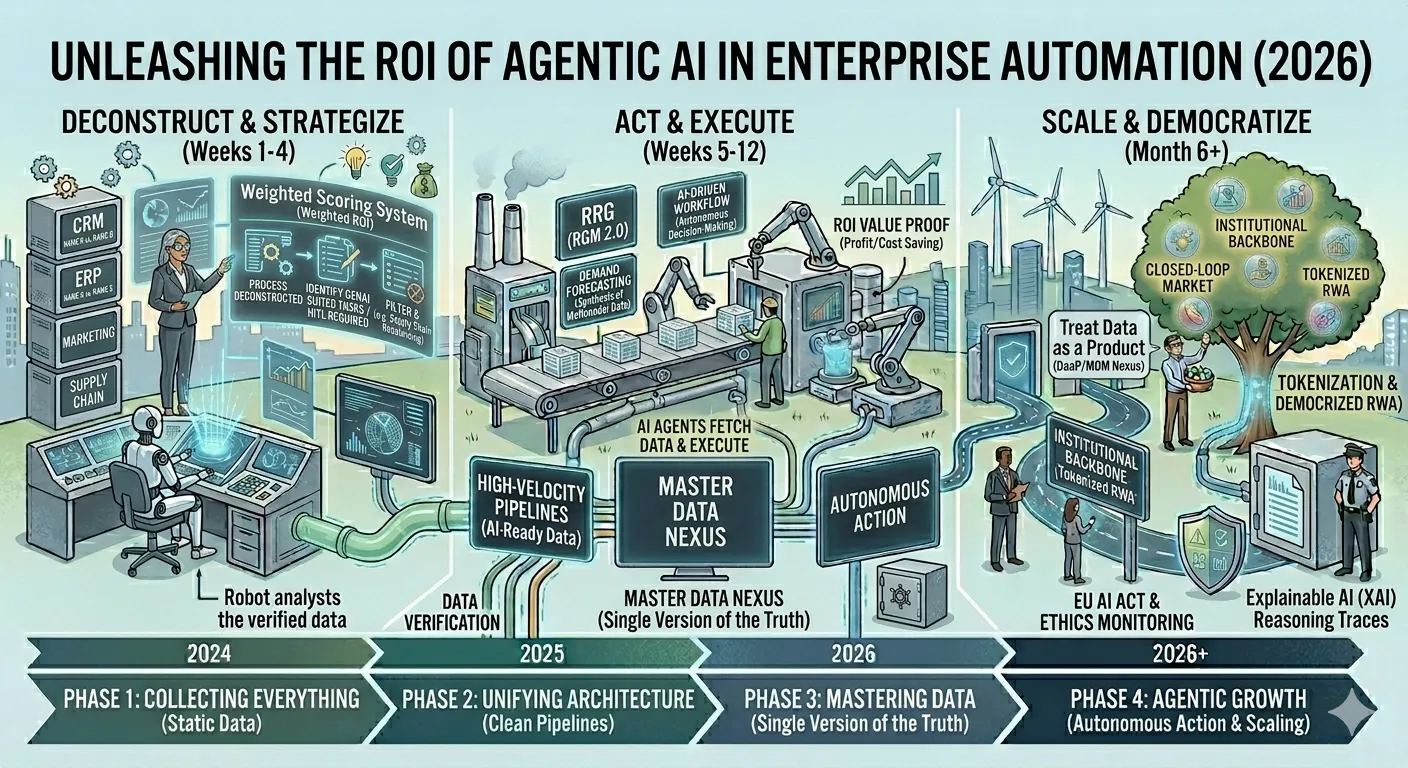
Despite these substantial challenges, numerous enterprises have made significant strides in AI adoption by implementing targeted solutions. The following strategies, informed by industry best practices and expert guidance, can help organizations successfully navigate their AI journeys.
1. Establishing Robust Data Governance and Infrastructure
Investing in modern data infrastructure, such as data lakes and unified data platforms, enables seamless data integration and accessibility. Implementing strong data governance frameworks ensures compliance with regulations like GDPR and CCPA while maintaining data quality and security.
Automating data labeling and leveraging synthetic data generation can alleviate bottlenecks in training datasets. Cross-functional data stewardship teams can manage data assets effectively, breaking down silos and promoting data democratization.
2. Leveraging AI-Ready Cloud and Hybrid Architectures
Transitioning to cloud-native AI platforms or hybrid models allows enterprises to scale AI workloads flexibly while managing security and compliance. Cloud providers offer integrated AI tools, APIs, and managed services that accelerate development and deployment.
For sensitive industries, hybrid architectures enable data to remain on-premises while benefiting from cloud computing power, balancing innovation with regulatory demands.
3. Building and Upskilling AI Talent Pipelines
Creating comprehensive AI education and training programs within the enterprise fosters internal talent development. Collaborations with universities, online learning platforms, and AI communities expand access to cutting-edge knowledge.
Engaging AI consultants and partnering with specialized vendors can supplement internal capabilities while knowledge transfer occurs. Encouraging cross-disciplinary teams combining domain experts with AI professionals enhances outcomes.
4. Implementing Responsible AI Frameworks
Developing clear policies on AI ethics, transparency, and accountability is critical. Enterprises should establish AI ethics committees or governance boards to oversee AI initiatives and ensure adherence to standards.
Deploying AI explainability tools helps stakeholders understand model decisions, building trust and facilitating regulatory compliance. Regular audits and bias testing maintain AI fairness and mitigate risks.
For a comprehensive overview of responsible AI growth, readers can refer to the Enterprise AI Adoption Framework for Responsible and Scalable Growth - Nate Patel.
5. Driving Change Management and Stakeholder Engagement
Communicating the benefits and goals of AI initiatives transparently alleviates fears and fosters buy-in. Involving employees early in AI design and deployment nurtures ownership and alignment.
Training programs should focus not only on technical skills but also on cultural adaptation and AI literacy across the workforce. Leadership must champion AI adoption as a strategic priority.
6. Defining Clear Metrics and Managing Expectations
Setting measurable KPIs aligned with business objectives enables continuous monitoring of AI impact. Using agile methodologies allows iterative development, delivering incremental value and adapting to feedback.
Enterprises should approach AI as a long-term journey rather than a quick fix, adjusting expectations accordingly.
7. Enhancing AI Security Posture
Integrating AI-specific cyber defense mechanisms, such as adversarial training and anomaly detection, protects AI models from attacks. Security teams need specialized skills to manage AI risks effectively.
Collaborating with external experts and participating in AI security communities keeps enterprises updated on emerging threats and best practices.
Case Studies and Industry Examples
Real-world examples illustrate how these solutions are applied effectively.
PATH's Agentic AI Solutions Accelerating Adoption
According to a recent Yahoo Finance report, PATH is pioneering agentic AI technologies that enable enterprises to automate complex decision-making processes more autonomously. Their approach addresses integration challenges by providing modular AI components compatible with existing enterprise systems, reducing deployment time and technical risk.
Collaborative Efforts in Singapore Manufacturing
The partnership between A*Star and Microsoft, highlighted by the Business Times, exemplifies how public-private collaborations can tackle AI adoption hurdles in manufacturing. Their joint initiatives focus on upskilling workers, developing AI governance standards, and creating hybrid cloud solutions to integrate AI with legacy equipment safely.
SaaS Start-ups Overcoming Adoption Barriers
Insights from londonlovesbusiness.com reveal that SaaS start-ups face unique AI adoption challenges such as limited resources and rapid scaling needs. Their strategies include adopting cloud-native AI services, emphasizing customer-centric AI design, and fostering agile development cultures, lessons that larger enterprises can adapt.
Emerging Trends Impacting Enterprise AI Adoption
Looking ahead, several trends will shape how enterprises approach AI adoption:
- Agentic and Autonomous AI: More AI systems will gain autonomy, reducing human intervention but requiring stronger governance frameworks.
- Explainable and Interpretable AI: Demand for transparency will drive innovation in AI explainability tools, helping build trust across stakeholders.
- AI Democratization: Low-code and no-code AI platforms will empower non-technical employees to build AI applications, addressing talent shortages.
- Hybrid Cloud AI Architectures: Balancing on-premises control with cloud scalability will become standard practice for regulated industries.
- Stronger AI Security Protocols: As AI threats evolve, enterprises will invest more heavily in AI-specific cybersecurity measures.
Conclusion
Enterprise AI adoption in 2026 remains a challenging yet rewarding endeavor. Overcoming obstacles such as data governance, legacy integration, talent gaps, ethical concerns, and security risks requires comprehensive strategies and organizational commitment. By leveraging robust data infrastructures, embracing cloud and hybrid models, investing in talent development, and adhering to responsible AI frameworks, enterprises can unlock AI's transformative potential.
Effective change management and clear performance metrics further ensure AI initiatives deliver measurable business value while cultivating trust among stakeholders. As evidenced by industry leaders and collaborative efforts globally, a thoughtful and systematic approach to AI adoption paves the way for sustainable innovation and competitive advantage.
For a broader perspective on navigating these challenges, readers are encouraged to explore our related article, Enterprise AI Adoption Challenges and Solutions in 2026, which expands on many of the themes discussed here.
Continued dialogue, research, and collaboration will be crucial as enterprises refine their AI strategies in the coming years, ensuring AI technologies benefit businesses and society responsibly and effectively.




























Sign in to leave a comment.