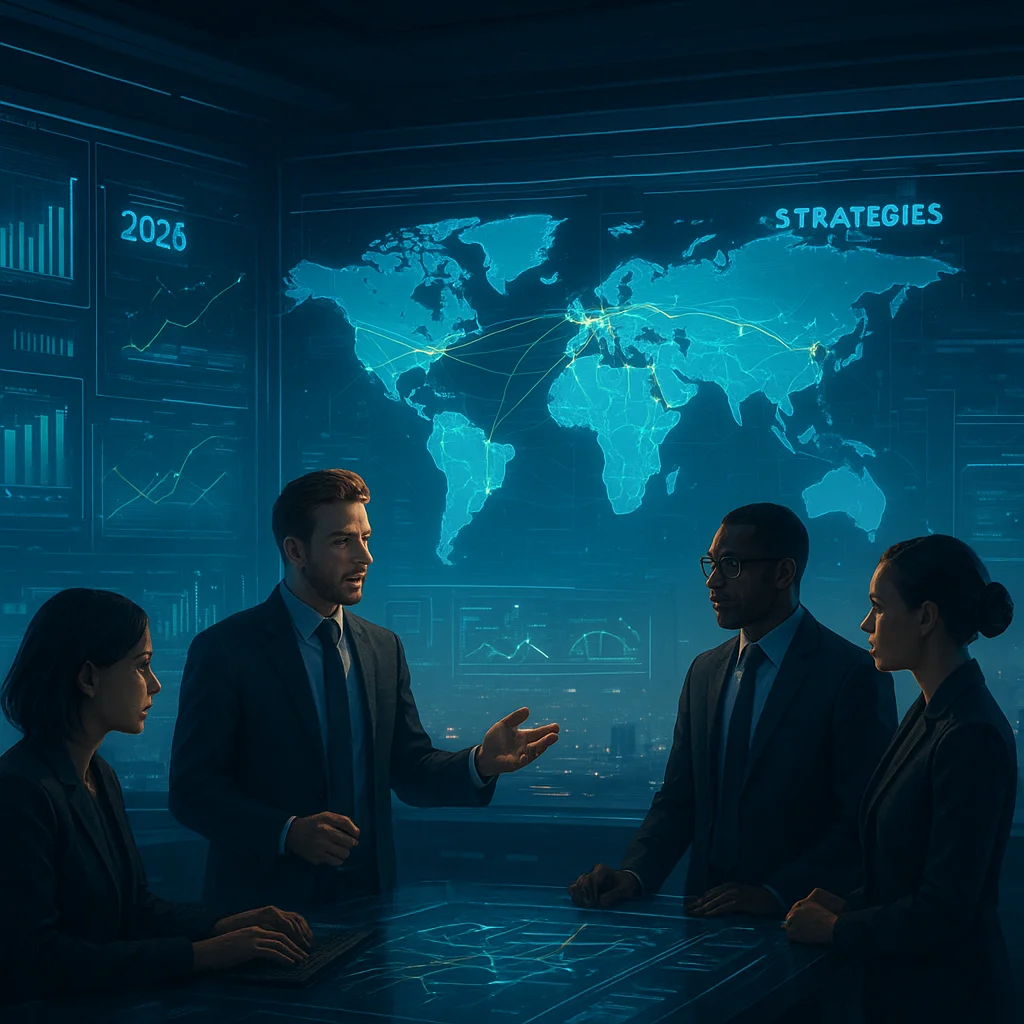

A Moment Suspended: The Halt of Anthropic's Supply-Chain Risk Designation
On a brisk morning in March 2026, a San Francisco federal judge issued a decisive injunction that temporarily blocked the Pentagon’s designation of Anthropic, a leading AI developer, as a supply-chain risk. The ruling sent ripples through the AI and automation sectors. This designation, had it stood, would have restricted Anthropic’s access to government contracts and cast a shadow over its international collaborations. The decision, widely reported by outlets such as ABC 7 Chicago and MSN, represents more than a legal skirmish; it highlights the complex intersection of national security, AI innovation, and supply chain integrity at a time when the global AI race intensifies.
The immediate context is one of heightened scrutiny over AI supply chains. The U.S. Department of Defense, citing concerns about foreign influence and potential vulnerabilities in the AI ecosystem, had moved to classify Anthropic as a risk to national security. Yet the judge’s halt underscores the need for clarity around what constitutes risk in the rapidly evolving AI supply network, especially when the stakes include both innovation leadership and geopolitical strategy.
“The designation threatens to unduly punish a pioneering AI company without clear evidence of harm, risking broader disruption to the AI supply ecosystem,” the ruling stated, a sentiment echoed across industry observers.
In the months that followed, the case has become a focal point for conversations on supply-chain risk management in AI. This article explores the background leading to this moment, the advanced strategies companies and governments are adopting in response, and the implications for the future of AI supply security.
Background and Context: How the Supply-Chain Risk Designation Emerged
Anthropic, founded in 2020, quickly rose to prominence with its innovative approaches to large language models and AI safety. By 2025, it had secured major funding from both private investors and government contracts, positioning itself as a key player alongside OpenAI and DeepMind. However, geopolitical tensions and concerns about AI’s dual-use nature intensified scrutiny over companies that access sensitive government projects.
The Pentagon’s decision to label Anthropic a supply-chain risk was part of a broader initiative aimed at tightening controls over emerging AI technologies. This initiative sought to identify and mitigate risks posed by potential foreign interference, intellectual property vulnerabilities, and dependencies on hardware or software components sourced from adversarial nations.
Yet the designation process lacked transparency, raising legal and ethical questions. According to Yahoo News Canada, Anthropic challenged the designation on grounds that the government had not provided sufficient evidence, nor had it allowed the company to respond adequately before the label was applied. This challenge prompted judicial intervention, leading to the temporary halt.
More broadly, this situation reflects the growing pains of supply-chain risk management in AI. Unlike traditional manufacturing or software sectors, AI supply chains are layered with intangible assets such as data, algorithms, and expertise, which are harder to monitor or secure. This complexity makes risk designation both necessary and fraught.
Analyzing Supply-Chain Risk: Data, Vulnerabilities, and Industry Comparisons
Supply-chain risk in AI extends beyond physical components to include code provenance, data integrity, and even the governance of training datasets. Anthropic’s case highlights these challenges, as the Pentagon’s concerns reportedly centered on software dependencies and potential foreign influence through subcontracted services.
Recent industry data from 2026 shows that approximately 68% of AI companies engage with third-party vendors across multiple countries, increasing their exposure to supply risks. The tangled web of intellectual property rights, open-source contributions, and cloud infrastructure providers complicates risk assessment. In contrast to more traditional supply chains, where origin and movement of goods can be tracked, AI supply chains demand new frameworks.
For comparison, the semiconductor industry’s approach to supply-chain risk involves stringent component traceability and certification processes. However, AI development relies heavily on intangible, rapidly evolving assets that defy easy categorization. This calls for advanced strategies that integrate technical, legal, and geopolitical perspectives.
- Data Provenance Verification: Using cryptographic techniques to ensure data used in training is authentic and untampered.
- Software Supply-Chain Audits: Continuous monitoring of libraries and dependencies for vulnerabilities or foreign manipulations.
- Multi-Source Redundancy: Diversifying suppliers and cloud providers to reduce single points of failure.
- Governance Frameworks: Establishing clear policies on data handling and subcontractor transparency.
The Anthropic case underscores the difficulty in balancing national security concerns with the necessity of open innovation. Overly broad risk designations can stifle collaboration and slow AI progress. Conversely, insufficient oversight risks vulnerabilities that adversaries could exploit.
As one industry analyst noted, “Supply-chain risk in AI is a nuanced beast; strategies must be as adaptive and layered as the technology itself.”
Current Developments in 2026: Legal, Regulatory, and Industry Responses
Since the court’s injunction, the Pentagon and other agencies have revisited their risk designation protocols. New guidelines released in early 2026 emphasize transparency and due process, requiring agencies to provide detailed evidence before labeling firms as supply-chain risks. This shift aims to prevent the kind of legal pushback seen in Anthropic’s case.
Simultaneously, AI companies have increased investments in supply-chain resilience. Anthropic itself has implemented advanced supply-chain risk management tools, including blockchain-based data provenance and AI-driven threat detection systems. These measures serve dual purposes: reassuring regulators and safeguarding corporate reputation.
The broader AI ecosystem is also embracing collaborative frameworks. Industry groups, such as the Global AI Supply Chain Consortium (GASC), have launched shared standards for risk assessment and mitigation. These standards encourage transparency around sourcing, subcontracting, and security practices, fostering trust among stakeholders.
Recent legislation in the US Congress proposes a national AI supply-chain security certification, which would mandate annual audits and compliance reporting for firms involved in government AI projects. While still under debate, this initiative reflects growing political will to formalize and strengthen supply-chain oversight.
- Legal reforms: Enhanced due process and evidence requirements for risk designations.
- Technological innovation: Adoption of blockchain, AI threat detection, and automated audits.
- Industry collaboration: Formation of consortia to share best practices and standards.
- Regulatory proposals: National certification programs to enforce accountability.
These developments are reshaping the landscape for AI supply-chain risk management. They also signal a recognition that the stakes are high: AI underpins critical infrastructure, military capabilities, and economic competitiveness.
Expert Perspectives and Industry Impact
Leaders in AI and cybersecurity have weighed in on the Anthropic case and its broader implications. Dr. Elena Marquez, a noted AI governance scholar, argues that “the Anthropic ruling is a landmark for balancing innovation and security. It compels both government and industry to refine how they define and manage supply-chain risks without compromising the open nature of AI research.”
Industry executives express cautious optimism. Brian Wu, CTO of a major AI startup, told WriteUpCafe, “The halt allows us breathing room to develop robust risk frameworks that are evidence-based and fair. Hasty designations can damage firms and the ecosystem.”
However, some express concern about potential delays in security measures. A Pentagon official, speaking anonymously, emphasized the imperative of national security: “While due process is vital, we cannot afford blind spots in AI supply chains that adversaries might exploit.”
“Anthropic’s case has catalyzed a critical dialogue about transparency, evidence, and proportionality in supply-chain risk management,” remarked cybersecurity consultant Liam O’Donnell.
In terms of industry impact, the episode has prompted companies to accelerate investments in internal compliance and risk assessment capabilities. AI firms now prioritize supply-chain security alongside model accuracy and ethical considerations. The case has also influenced venture capital, with investors scrutinizing supply-chain robustness before funding rounds.
This evolving dynamic echoes themes explored in WriteUpCafe’s coverage of AI governance and innovation, such as in Judge Halts Anthropic Supply-Chain Risk Designation 2026, which offers detailed analysis of the legal aspects, and How Hasbro’s CEO Employs AI Peppa Pig to Transform Toy Design in 2026, illustrating AI’s broader industrial adoption and the need for secure, reliable supply networks.
Looking Ahead: Strategies and Takeaways for AI Supply-Chain Resilience
The Anthropic episode crystallizes the urgent need for advanced, adaptive strategies in AI supply-chain risk management. Companies and governments alike must navigate a landscape where innovation speed and security demands coexist uneasily.
Key strategic takeaways for 2026 and beyond include:
- Prioritize Transparency: Clear communication about supply-chain components and subcontractors builds trust with regulators and partners.
- Leverage Technology: Integrate blockchain for data provenance, AI for continuous monitoring, and automated compliance tools to detect risks early.
- Foster Collaboration: Engage in industry consortia and public-private partnerships to share best practices and set unified standards.
- Implement Evidence-Based Risk Assessment: Require concrete data before applying risk designations, ensuring fairness and legal soundness.
- Prepare for Regulatory Evolution: Stay ahead of emerging laws and certification mandates to avoid disruption and penalties.
Future outlooks suggest that supply-chain risk management in AI will become increasingly sophisticated, incorporating predictive analytics and real-time intelligence. Anthropic’s legal challenge serves as a cautionary tale and a catalyst for reform.
“Navigating AI supply-chain risks demands a delicate balance of vigilance and openness; this will define the sector’s resilience in the decade ahead,” notes Amelia Hughes, reflecting on the ongoing developments.
For those interested in broader technology trends and their implications, you might enjoy exploring WriteUpCafe’s Complete Guide to Hydrogen Fuel Cell Vehicles vs Battery Electric in 2026, which similarly addresses innovation under regulatory scrutiny.




























Sign in to leave a comment.