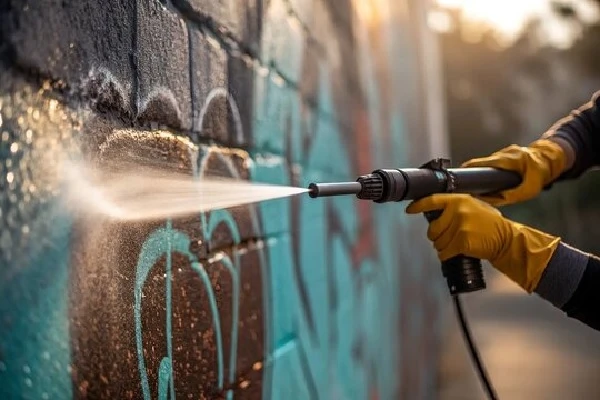

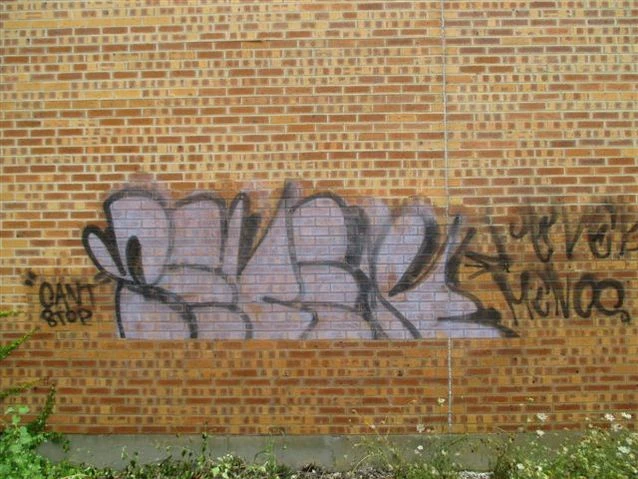
Graffiti can be an artistic expression, but when unwanted and unauthorized, it becomes a nuisance. Cities, businesses, and property owners frequently struggle with graffiti on walls, bridges, and other structures. Removing graffiti efficiently requires the right chemical solutions to break down paint, markers, or adhesives without damaging the underlying surface. This article explores the most effective chemical solutions for graffiti removal, their applications, and safety considerations.
Understanding Graffiti Removal Chemistry
Graffiti removal involves breaking down stubborn paint, ink, or other substances that adhere to surfaces. The effectiveness of a chemical depends on the type of graffiti, the material it is on, and environmental factors. Best Graffiti Removal Chemicals contain solvents, surfactants, or alkaline compounds designed to dissolve unwanted markings while preserving the surface beneath.
Types of Graffiti Removal Chemicals
1. Solvent-Based Cleaners
Solvent-based removers work by dissolving the graffiti at a molecular level. These solutions often contain acetone, toluene, or methylene chloride, which can quickly break down spray paints and permanent markers. However, they can be harsh and require careful handling to prevent surface damage or health risks.
2. Alkaline-Based Cleaners
Alkaline cleaners use strong bases, such as sodium hydroxide or potassium hydroxide, to remove graffiti. These chemicals are particularly effective on porous surfaces like concrete and brick. They work by softening the paint, making it easier to scrub off. However, they require thorough rinsing to prevent residue buildup.
3. Biodegradable and Eco-Friendly Solutions
For environmentally sensitive areas, biodegradable graffiti removers offer an effective alternative. These products contain plant-based solvents and surfactants that break down paint without introducing harmful toxins. While they may take longer to act, they are a preferred option for public spaces and areas near water sources.
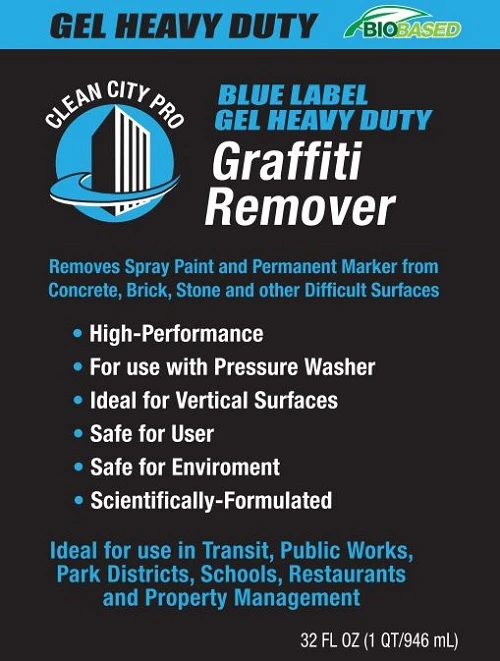
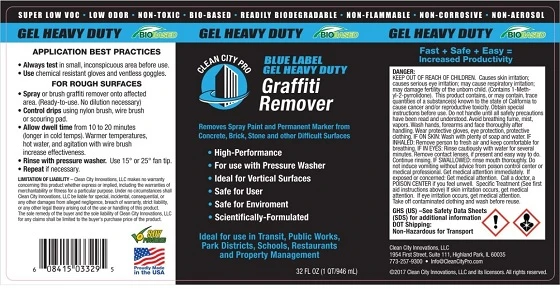
4. Gel-Based Removers
Gel-based graffiti removers cling to vertical and uneven surfaces, allowing the active ingredients to penetrate for extended periods. These solutions are ideal for rough surfaces, such as stone or stucco, where traditional liquid removers may run off too quickly. They also reduce airborne fumes and improve worker safety.
5. Abrasive Chemical Cleaners
Abrasive chemical removers incorporate fine particulates to help scrub away graffiti. These are typically used in conjunction with high-pressure washing systems or scrubbing tools. They are most effective for removing stubborn, aged graffiti but should be used cautiously to prevent surface erosion.
Application Techniques for Graffiti Removal
Selecting the right chemical is just one part of the graffiti removal process. Proper application techniques ensure maximum effectiveness while minimizing potential surface damage.
- Testing on a Small Area Before applying any chemical, conduct a patch test on a hidden section of the surface. This prevents unwanted discoloration or damage.
- Using the Right Tools Depending on the remover type, use brushes, sponges, or pressure washers to apply and remove the graffiti effectively.
- Allowing Adequate Dwell Time Some removers require time to break down the graffiti. Always follow the manufacturer’s recommendations regarding contact time before scrubbing or rinsing.
- Proper Rinsing and Neutralization Residual chemicals can cause damage over time. Thorough rinsing with water or a neutralizing agent ensures no harmful residues remain.
Safety and Environmental Considerations
Handling graffiti removal chemicals requires appropriate safety measures. Many contain strong solvents or bases that can be hazardous if improperly used. Here are essential safety tips:
- Wear Protective Gear: Use gloves, eye protection, and masks to prevent skin and respiratory exposure.
- Ensure Adequate Ventilation: When working indoors or in enclosed spaces, proper ventilation helps reduce inhalation risks.
- Follow Disposal Guidelines: Improper disposal of chemical cleaners can harm the environment. Always follow local hazardous waste disposal regulations.
- Choose Environmentally Friendly Options When Possible: Opting for biodegradable products reduces the impact on ecosystems and public health.
Preventative Measures to Minimize Graffiti Damage
While effective removal methods are essential, preventing graffiti in the first place can save time and resources. Here are some preventive strategies:
- Applying Anti-Graffiti Coatings Anti-graffiti coatings form a protective barrier, making it easier to remove markings. Sacrificial coatings wear away with graffiti removal, while permanent coatings allow for repeated cleaning without reapplication.
- Strategic Landscaping Planting shrubs, vines, or barriers in graffiti-prone areas can deter vandals by limiting access to walls and surfaces.
- Regular Maintenance and Prompt Removal Removing graffiti quickly discourages repeat offenses. Persistent cleaning efforts can reduce the likelihood of future tagging.
- Community Engagement and Public Awareness Encouraging community involvement in graffiti prevention programs helps create a sense of ownership and reduces vandalism incidents.
Graffiti removal requires the right balance between effectiveness and surface protection. Choosing the appropriate chemical solution depends on the type of graffiti, the material it is on, and environmental considerations. Whether using solvent-based, alkaline, biodegradable, gel-based, or abrasive cleaners, proper application and safety measures are crucial. Additionally, implementing preventative strategies can help minimize future occurrences, ensuring a cleaner and more visually appealing environment.





























Sign in to leave a comment.