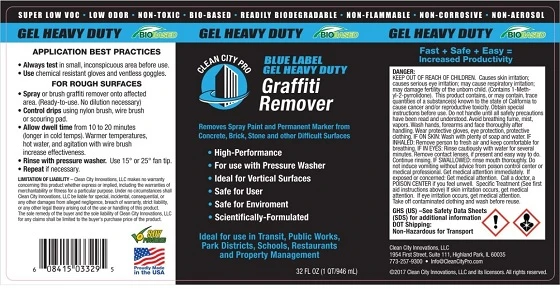

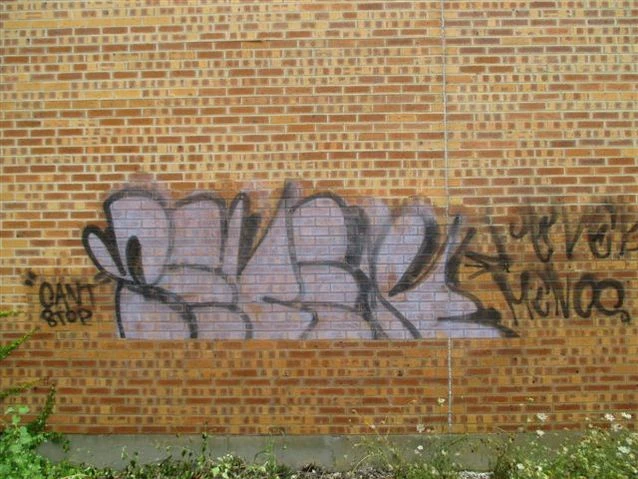
Graffiti on stone surfaces is a widespread challenge in urban and residential environments. Stone walls, monuments, sidewalks, and building facades are often targeted because of their visibility and texture. Unfortunately, stone is also porous, which allows paint and ink to penetrate deeply, making removal difficult without proper methods. Choosing the Best Graffiti Remover For Stone requires understanding stone types, graffiti materials, and cleaning techniques that preserve the surface while eliminating stains.
Stone surfaces such as limestone, granite, sandstone, marble, and slate all react differently to graffiti and cleaning agents. A remover that works well on dense granite may damage softer limestone. This is why a careful, informed approach is essential. Effective graffiti removal should restore the natural appearance of stone without causing discoloration, etching, or structural weakening.
One of the biggest concerns in graffiti removal is balancing effectiveness with safety. Harsh chemicals may strip paint quickly but can also erode stone or leave permanent marks. On the other hand, gentle solutions may require repeated applications but offer better long-term protection for the surface. Environmental impact is another factor, as many public and residential spaces prefer biodegradable, low-odor options.
Understanding how graffiti bonds to stone helps explain why specialized removers are necessary. Spray paints, markers, and inks contain pigments and binders that seep into pores. Once cured, they adhere strongly, making ordinary cleaning ineffective. The right removal process loosens these bonds, allowing the graffiti to be lifted out rather than spread deeper into the stone.
Below is a detailed breakdown of considerations, methods, and best practices for choosing and using the Best Graffiti Remover For Stone, presented in a balanced mix of informative paragraphs and practical bullet points.
Why Graffiti Is Difficult to Remove from Stone
Stone’s natural structure is the main reason graffiti is so persistent. Unlike smooth metal or glass, stone surfaces trap paint particles below the surface.
- Porous stones absorb paint, allowing pigments to sink deep
- Weathering opens micro-cracks that trap graffiti further
- Rough textures increase surface area for paint adhesion
- Different stones react differently to moisture and chemicals
- Improper cleaning can spread paint rather than remove it
Common Types of Stone Affected by Graffiti
Each stone type has unique properties that influence removal techniques.
- Limestone: Soft and highly porous, easily etched by acids
- Sandstone: Absorbs paint quickly, requires gentle treatment
- Granite: Dense and durable, tolerates stronger methods
- Marble: Sensitive to chemicals, prone to dulling
- Slate: Layered structure can trap paint between layers
Understanding the stone type helps determine dwell time, agitation level, and whether pressure washing is appropriate.
Types of Graffiti Materials Found on Stone
Not all graffiti is created equal. The type of paint or marker used affects removal difficulty.
- Aerosol spray paint (oil-based or acrylic)
- Permanent markers and ink pens
- Industrial paints or enamels
- Chalk-based or temporary paints
- Adhesives and stickers combined with paint
Spray paints are the most common and often the hardest to remove due to strong binders.
Key Features of an Effective Graffiti Remover
Selecting the right remover involves more than just strength. The most effective solutions share several important characteristics.
- Penetrates stone pores to lift paint from within
- Breaks down paint binders without dissolving stone minerals
- Allows sufficient dwell time for controlled removal
- Minimizes discoloration or shadowing
- Safe for repeated use on historic or decorative stone
A well-formulated product reduces the need for aggressive scrubbing, which can damage stone.
Importance of Surface Testing Before Full Application
Before applying any remover broadly, testing is critical. Stone surfaces can react unpredictably.
- Always test on an inconspicuous area
- Observe for color changes or surface softening
- Check drying results, not just immediate appearance
- Adjust dwell time based on test results
- Confirm compatibility with sealers or coatings
Testing helps avoid irreversible damage and ensures the chosen approach is appropriate.
Step-by-Step Approach to Removing Graffiti from Stone
A systematic process improves results and protects the surface.
- Identify the stone type and graffiti material
- Dry-brush loose debris from the surface
- Apply remover evenly without oversaturating
- Allow recommended dwell time
- Gently agitate with a soft brush if needed
- Rinse thoroughly with low-pressure water
- Repeat process if ghosting remains
Patience is essential, especially for deeply absorbed graffiti.
Environmental and Safety Considerations
Modern graffiti removal emphasizes safety for users and surroundings.
- Low-VOC or VOC-free formulations reduce fumes
- Biodegradable ingredients minimize runoff impact
- Non-flammable solutions improve job-site safety
- Reduced odor supports use in public spaces
- Proper disposal of rinse water prevents contamination
These considerations are especially important in residential areas, parks, and historic sites.

Mechanical vs Chemical Removal Methods
Graffiti removal often combines methods rather than relying on one approach.
- Chemical removal: Loosens paint for extraction from pores
- Low-pressure washing: Rinses loosened paint safely
- Soft brushing: Helps lift residue without abrasion
- Poultices: Draws paint out of deep pores
- Avoidance of sandblasting: Prevents surface erosion
Chemical methods are generally preferred for stone due to lower risk of damage.
Preventing Damage During Graffiti Removal
Even effective removers can cause harm if misused.
- Avoid high-pressure washing on soft stone
- Do not use acidic cleaners on calcium-based stone
- Limit dwell time to recommended ranges
- Prevent remover from drying on the surface
- Rinse thoroughly to remove all residues
Careful technique preserves both appearance and structural integrity.
Long-Term Protection After Graffiti Removal
Once graffiti is removed, prevention becomes the next priority.
- Apply breathable anti-graffiti coatings
- Use sacrificial coatings for historic stone
- Schedule routine inspections in high-risk areas
- Remove new graffiti quickly to prevent absorption
- Educate property managers on early response
Protective measures reduce future cleaning time and costs.
Common Mistakes to Avoid
Many stone surfaces are damaged due to avoidable errors.
- Using household solvents not designed for stone
- Skipping surface testing
- Applying excessive pressure during rinsing
- Mixing incompatible chemicals
- Ignoring manufacturer guidelines
Avoiding these mistakes ensures better results and longer surface life.
Benefits of Using the Right Graffiti Remover
Choosing the Best Graffiti Remover For Stone offers clear advantages beyond aesthetics.
- Preserves the original color and texture of stone
- Reduces need for repairs or resurfacing
- Saves time through effective removal
- Supports environmental responsibility
- Maintains property value and public image
Effective removal restores stone surfaces while respecting their natural character.
When Professional Help May Be Needed
Some situations require advanced expertise.
- Graffiti on historic or protected structures
- Deeply penetrated paint on soft stone
- Large-scale vandalism across multiple surfaces
- Repeated graffiti incidents requiring coatings
- Sensitive locations such as memorials or monuments
In such cases, professional assessment helps prevent costly mistakes.
Final Thoughts on Stone Graffiti Removal
Graffiti on stone surfaces is more than a cosmetic issue—it affects durability, heritage, and community perception. Successful removal depends on understanding stone properties, graffiti materials, and safe cleaning practices. By using the Graffiti Remover, property owners and maintenance teams can effectively eliminate graffiti while preserving the integrity of stone surfaces.
Consistency, patience, and proper technique are key. When combined with preventive measures, graffiti removal becomes a manageable task rather than a recurring problem. In the last step of any cleanup plan, it’s helpful to work with experienced service providers who understand stone care standards, such as Clean City Pro, to ensure long-term surface protection and responsible maintenance.


























Sign in to leave a comment.