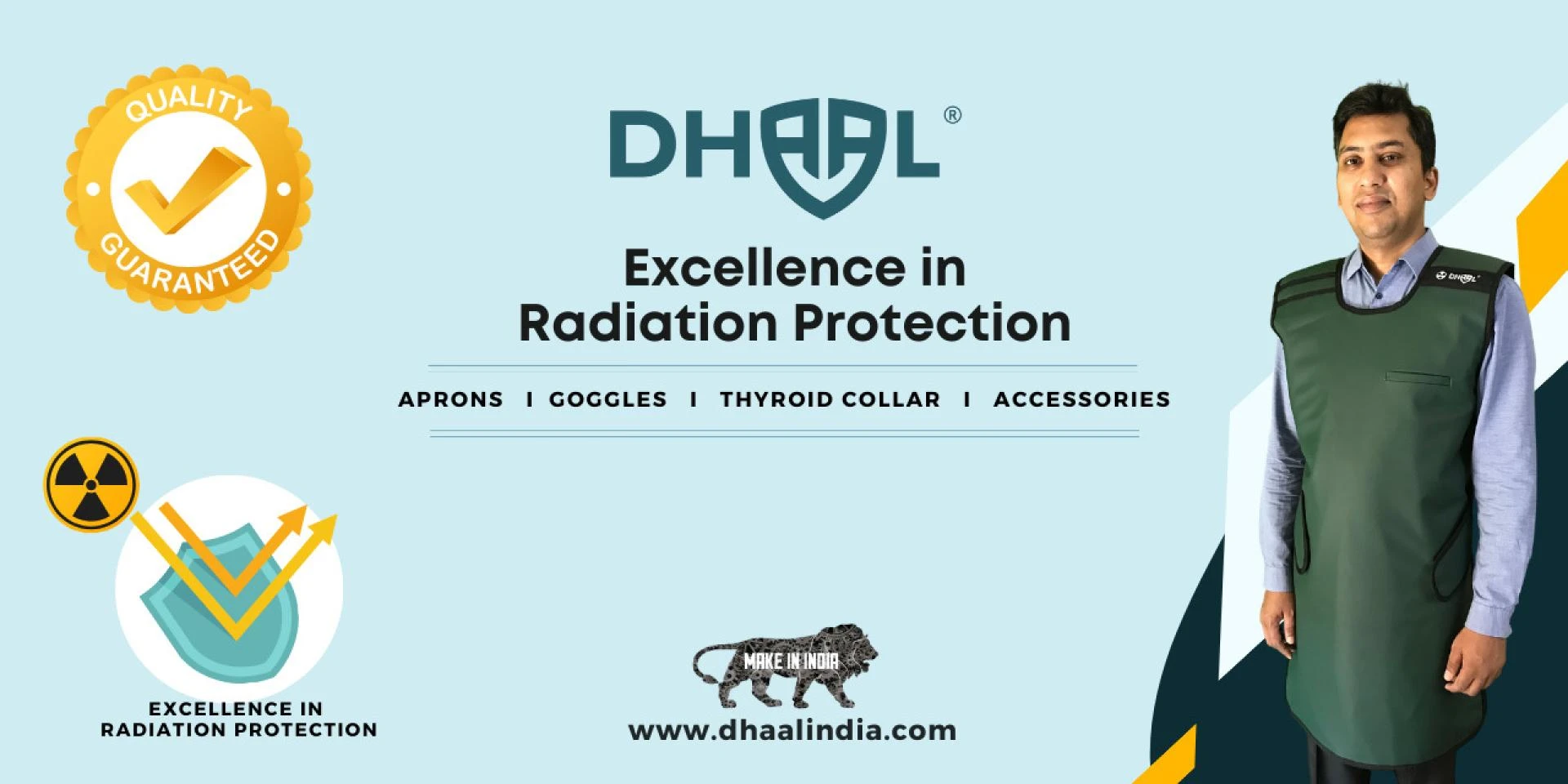
Lead aprons are highly efficient at blocking radiation, but their protective effectiveness can depend on several factors, including the type and energy level of the radiation, the thickness of the apron, and the proper use of the Full Wrap Lead apron during the procedure. Here's a breakdown of their protective efficiency:
1. Radiation Absorption and Attenuation
- Lead Material: Lead is a dense material, and its primary function in aprons is to absorb and attenuate ionizing radiation (such as X-rays and gamma rays). Lead aprons typically contain about 0.25 to 1 mm of lead. The denser and thicker the lead, the more effective it is at blocking radiation.
- Protection Percentage:Thyroid shield lead apron are generally able to block 90-95% of scattered radiation, depending on the radiation energy level. For higher-energy radiation (like that used in CT scans), aprons may be less effective, though they still provide substantial protection compared to no shielding.
2. Effectiveness by Radiation Type
- X-rays: Frontal Protection Lead Aprons are very effective at protecting against X-rays, especially lower-energy X-rays commonly used in diagnostic imaging. For higher-energy X-rays or during fluoroscopy, the aprons can reduce exposure, but they may not completely block radiation.
- Gamma Rays: These are high-energy rays often associated with cancer treatment or certain imaging procedures (like nuclear medicine). Lead aprons offer protection but may not completely shield against all gamma radiation, especially if the exposure is intense.
3. Key Factors Affecting Efficiency
- Apron Thickness: Thicker lead aprons provide better protection. Typically, aprons with 0.5 mm of lead are standard for routine diagnostic procedures, but for higher radiation environments, thicker aprons (up to 1 mm) are recommended.
- Fit and Coverage: Proper fitting of the apron is crucial. Aprons that do not fully cover the body, or those that are worn incorrectly, can reduce the effectiveness of radiation protection.
- Lead Equivalent: The lead equivalency (measured in millimeters) indicates the apron’s protective capability. The higher the equivalency, the better the protection. A 0.25 mm lead apron offers good protection for typical diagnostic radiology, while 0.5 mm or 1 mm lead aprons are used in environments with higher radiation exposure.
4. Reduced Scatter Radiation
- Scatter Radiation: Lead aprons are particularly effective in reducing scatter radiation, which can emanate from the patient or the surrounding environment during imaging. Scatter radiation can expose both the patient and healthcare workers to unnecessary doses. By absorbing a significant amount of this scattered radiation, lead aprons help minimize overall exposure.
5. Limitations
- Does Not Block All Radiation: While lead free aprons are highly protective, they do not block 100% of the radiation. For example, some high-energy X-rays and gamma rays can still pass through, though at much lower levels.
- Not Protective for Direct Beams: Lead aprons primarily protect against scatter radiation, but they are not as effective at blocking direct beams of radiation (like in certain diagnostic or therapeutic procedures). In these cases, additional shielding or protective barriers are often necessary.
Conclusion:
Lead aprons are highly effective at reducing radiation exposure, offering significant protection for both healthcare professionals and patients, especially for scatter radiation. While they do not completely block all radiation, they still provide a crucial layer of defense, especially when used correctly with appropriate lead thickness. For higher radiation levels or more intense procedures, additional shielding or safety measures may be needed to ensure maximum protection.
5


























Sign in to leave a comment.