
For some people, having a child isn’t as simple as they hoped. Medical issues can make it impossible to use their own eggs, and that’s where egg donation becomes life-changing. If you’re looking into egg donor requirements in Texas, you probably have a lot of questions. That’s normal.
Egg donation can sound complicated at first, but it doesn’t have to be confusing. Once you understand the basics, like who qualifies, what the process looks like, and what to expect along the way, it becomes much easier to see the full picture.
What is Egg Donation?
Egg donation happens when a healthy woman chooses to donate some of her eggs to help another person become pregnant.
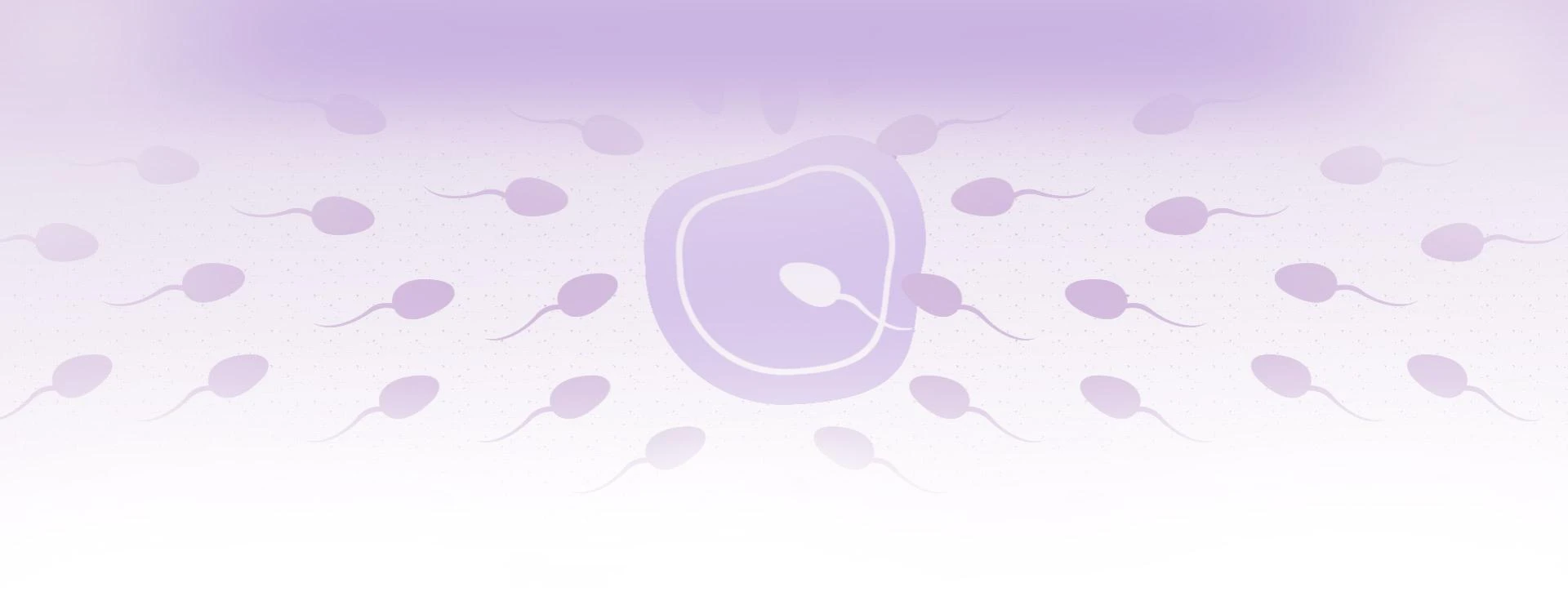
Doctors retrieve the eggs and use them in a treatment called in vitro fertilization (IVF). In a lab, specialists combine the eggs with sperm to create embryos. A doctor then places an embryo into the recipient’s uterus. If implantation succeeds, pregnancy begins.
It’s a medical process, but it’s also deeply human.
Why Do People Choose to Donate Eggs?
Well, everyone has their own reasons.
Some women feel good about helping other women who can’t conceive on their own. Others may see this as a chance to do something meaningful while receiving compensation for their time and commitment. Egg donation isn’t a quick thing. It takes planning, appointments, and consistency. That’s why programs offer financial compensation.
Who Can Become an Egg Donor in Texas?
Not everyone qualifies to donate eggs, and that’s by design. Clinics follow clear rules to keep donors safe and to give intended parents the best chance of success. Here are the main egg donor requirements in Texas.
Age Criteria
The preferred age of donors is between 21 and 30 years old. Eggs are usually healthy during these years, and treatment is safe for younger donors.
Good Health
Donors should have good overall health and shouldn't have serious medical problems. Clinics prefer donors with:
- No long-term illnesses
- No genetic diseases in the family
- Regular monthly periods
- A healthy body weight
Doctors analyze these with simple lab tests. The intention is to keep the donor safe and make sure the eggs are healthy.
Healthy Lifestyle
A healthy lifestyle and daily habits are important because clinics prefer donors who:
- Don’t smoke
- Don’t do drugs
- Rarely drink alcohol
- Shouldn't have any history of substance abuse
Healthy habits help the donation process go smoothly, and they lower the medical risks.
Emotionally Prepared
Egg donation is not only physical, but it carries emotion as well. Clinics do offer counseling or psychological sessions to make sure donors understand the process. Feeling informed and confident makes a big difference.
Legal Status
Many programs ask donors to be U.S. citizens or legal residents. This requirement mainly helps with legal paperwork and compensation logistics.
What Tests Do Egg Donors Go Through?
After you meet the basic egg donor requirements in Texas, clinics will run more detailed health tests. These tests protect both you and any future child.
Genetic Health Check
Doctors do genetic tests to make sure there are no inherited diseases that could be passed to a child. They can also check your family’s health history to detect any possible risks. This step adds extra safety.
Infection Check
Clinics run tests for HIV, hepatitis, and other illnesses that can spread to others. Simple blood or urine tests make sure you are healthy and free from any infection. These checks protect the donor and help keep any future pregnancy safe.
Fertility Assessment
Doctors use ultrasound imaging and hormone tests to evaluate how your ovaries are functioning. These checks show whether your body can respond well to fertility medications and produce healthy eggs during the cycle.
Egg donation programs don't charge for the required testing. You won’t have to pay for screenings, and clinics coordinate appointments to keep the process as convenient as possible.
What Happens During The Donation Process?
Egg donation is done in clear stages, and clinics guide you through each step.
Step 1: Apply for Donation
You start by filling out a simple form about your health and personal details. It’s detailed, but it helps clinics understand whether you’re a good candidate.
Step 2: Matching
In the step, the clinic tries to pair a donor with intended parents who are looking for someone with similar traits or preferences, such as physical features, medical history, education, and background
Step 3: Hormonal Stimulation
For 10 to 12 days, you’ll take hormone injections that will stimulate your ovaries to release multiple eggs. Doctors will monitor you closely with short appointments and scans during this time.
Step 4: Egg Retrieval
A physician retrieves the eggs in a short medical procedure. They will sedate you so you don't feel any pain. Most donors go home the same day and rest. Many women feel back to normal within a day or two.
Is Egg Donation Safe?
Egg donation is usually very safe when doctors and trained staff handle the procedure. Some donors feel a little bloating or cramping, but it normally goes away within a short period of time. Clinics will keep a close watch on them during the whole process to reduce risks. Research shows that donating eggs won't kill your ability to have children later.
Can You Donate More Than Once?
Yes, you can. Many healthy donors complete multiple cycles as long as they continue meeting egg donor requirements in Texas. Clinics usually cap donations at five or six cycles and space them out to protect your health.
Do Egg Donors Get Paid?
Donors receive compensation for their time and effort. Programs also pay for:
- Medical Appointments
- Screening and Lab Tests
- Medications
- Travel Related To The Donation
You don’t need personal health insurance to participate. The program handles the medical costs tied to the donation.
How Long Does The Whole Process Take?
From your first application to the final procedure, the timeline can stretch from a few weeks to a couple of months.
Most of that time goes toward screening and preparation. The active medication phase lasts about two weeks. During that period, many donors continue working or attending school with only small adjustments to their schedules.
What Should You Think About Before Becoming An Egg Donor?
Egg donation is generous, but it’s also a commitment. Before you say yes, take time to think it through. The process includes a few doctor visits and daily hormone shots for a short time. You’ll need to follow the clinic’s instructions and plan your schedule around these appointments.
Final Thoughts
Egg donation gives hope to families who want a child and can’t conceive on their own. If you’re considering becoming an egg donor, start by learning the egg donor requirements in Texas and speaking with a reputable fertility clinic. Ask questions. Take your time. There’s no pressure to rush into a decision.
For many women, egg donation can be a meaningful thing to do. To help create a family isn’t a small thing. It can be one of the most generous gifts you ever give.



























Sign in to leave a comment.