
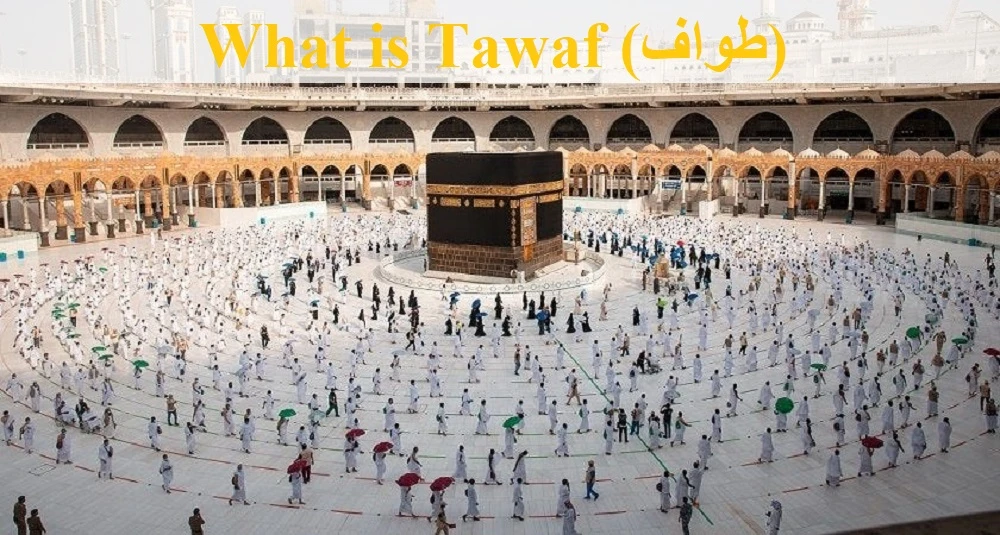
Eid ul Adha, also known as the "Festival of Sacrifice," is one of the most significant Islamic holidays celebrated by Muslims worldwide. This auspicious occasion commemorates the willingness of Prophet Ibrahim (Abraham) to sacrifice his son as an act of obedience to Allah's command. The festival falls on the 10th day of Dhu al-Hijjah, the last month of the Islamic lunar calendar, and marks the end of the Hajj pilgrimage to Mecca, which is one of the Five Pillars of Islam.
Historical Significance
The roots of Eid ul Adha trace back to the story of Prophet Ibrahim, who is revered in Islam, Christianity, and Judaism. According to Islamic tradition, Allah commanded Ibrahim to sacrifice his beloved son, Ismail (Ishmael). Demonstrating unwavering faith, Ibrahim prepared to carry out the command. However, at the last moment, Allah provided a ram to be sacrificed instead, acknowledging Ibrahim's obedience and devotion. This event is celebrated by Muslims each year through the act of Qurbani, or animal sacrifice, as a symbol of their submission to Allah and a reminder of the importance of faith and devotion.
The Ritual of Qurbani
Qurbani, or Udhiyah, is the ritual sacrifice of an animal performed during Eid ul Adha. This ritual is deeply rooted in the traditions of Islam and serves multiple purposes, including spiritual purification, charity, and community bonding.
The Process of Qurbani
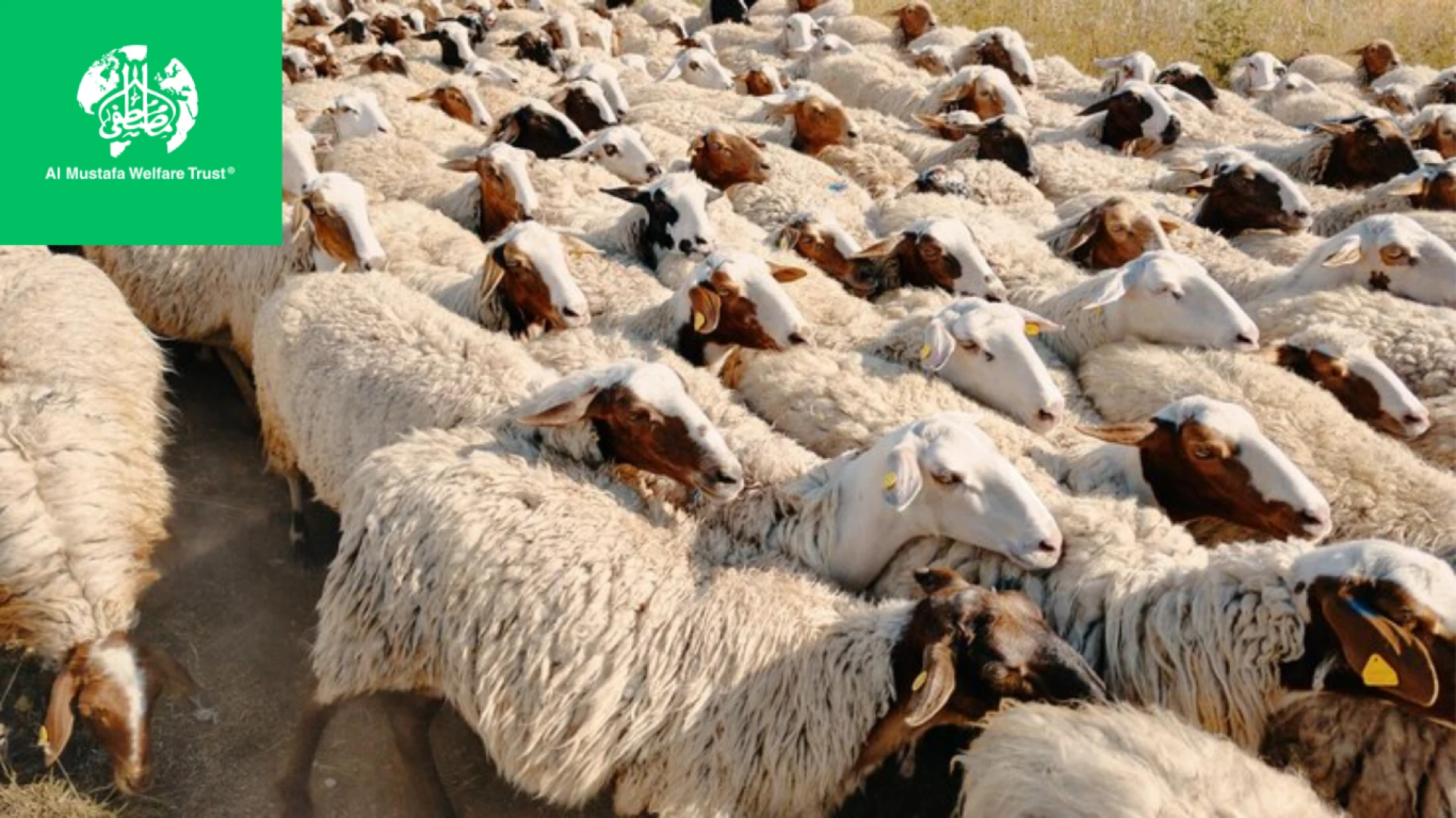
Selection of the Animal: The animal chosen for sacrifice must meet specific criteria. It should be a healthy, mature animal without any defects. Commonly sacrificed animals include goats, sheep, cows, and camels. The selection process is done with care to ensure the animal is of high quality, symbolizing the best of what one has to offer to Allah.
Time of Sacrifice: The sacrifice is performed after the Eid prayer on the 10th day of Dhu al-Hijjah and can be continued until the 12th day of the month. It is crucial to ensure that the sacrifice is done within these specified days to fulfill the religious obligation correctly.
Method of Sacrifice: The animal is slaughtered in the name of Allah, following specific Islamic guidelines. The person performing the sacrifice recites the Takbir, which is an Arabic phrase praising Allah, and the Qurbani Dua, a special supplication. The act of slaughtering is carried out swiftly and humanely to minimize the animal’s suffering.
Distribution of Meat: The meat from the sacrificed animal is divided into three parts: one-third for the family, one-third for relatives and friends, and one-third for the less fortunate. This distribution embodies the principles of charity and community support, ensuring that the blessings of Eid ul Adha are shared with everyone.
The Qurbani Dua
The Qurbani ki Dua is a specific prayer recited during the act of animal sacrifice. It is an expression of submission to Allah and a reminder of the spiritual significance of the ritual. The dua is recited as follows:
Bismillahi Allahu Akbar
In the name of Allah, Allah is the Greatest.
Allahumma minka walaka
O Allah, this is from You and for You.
The Spiritual and Social Aspects of Eid ul Adha
Eid ul Adha is not just a time for ritual sacrifice but also a period of spiritual reflection and communal harmony. Here are some key aspects:
Spiritual Reflection
Eid ul Adha is a time for Muslims to reflect on their faith and their relationship with Allah. The story of Ibrahim's sacrifice serves as a powerful reminder of the importance of obedience, trust, and submission to the will of Allah. Through the act of Qurbani, Muslims reaffirm their commitment to these values.
Acts of Charity
One of the core principles of Eid ul Adha is the act of giving. By distributing the meat of the sacrificed animal to the needy, Muslims are encouraged to think beyond their own needs and contribute to the well-being of their community. This act of charity ensures that even those who are less fortunate can partake in the festivities and joy of Eid.
Community Bonding
Eid ul Adha is a time for family and community gatherings. Muslims come together for the Eid prayer, share festive meals, and engage in communal activities. This sense of unity and togetherness strengthens the bonds within the community and fosters a spirit of mutual support and cooperation.
The Global Celebration
Eid ul Adha is celebrated with great enthusiasm across the globe. Each region has its unique customs and traditions, adding to the diversity of the celebration. However, the core essence of the festival remains the same – a deep sense of gratitude, faith, and community spirit.
In the Middle East
In countries like Saudi Arabia, Egypt, and the UAE, Eid ul Adha is marked by large congregational prayers, followed by the ritual sacrifice. Families come together to share festive meals, and special dishes are prepared to celebrate the occasion. The streets and markets are bustling with activity as people shop for new clothes, gifts, and festive items.
In South Asia
In South Asian countries like Pakistan, India, and Bangladesh, Eid ul Adha is a major festival. The preparations begin well in advance, with people buying animals for sacrifice and decorating them. The day starts with the Eid prayer, followed by the Qurbani ritual. Families and friends visit each other, exchange gifts, and share meals. Traditional dishes like biryani, kebabs, and sweets are an integral part of the celebration.
In Africa
In African countries such as Nigeria, Sudan, and Kenya, Eid ul Adha is celebrated with a blend of local traditions and Islamic rituals. The day begins with the Eid prayer, and the Qurbani ritual is performed with great reverence. Community feasts are organized, and the meat is distributed among the less fortunate. Traditional music and dance add to the festive spirit of the occasion.
In the West
Muslim communities in Western countries like the USA, Canada, and the UK also celebrate Eid ul Adha with fervor. While the scale of the celebrations may vary, the core rituals of prayer, Qurbani, and meat distribution are observed. Community centers and mosques play a central role in organizing prayers and festive activities, bringing together Muslims from diverse backgrounds.
Conclusion
Eid ul Adha is a profound celebration that goes beyond mere rituals. It is a time for Muslims to renew their faith, practice generosity, and strengthen community bonds. The ritual of Qurbani, accompanied by the Qurbani Dua, serves as a powerful reminder of the values of obedience, sacrifice, and compassion. As Muslims around the world celebrate this holy festival, they are united in their devotion to Allah and their commitment to the principles of Islam.
The spirit of Eid ul Adha encapsulates the essence of Islamic teachings – faith, charity, and community. It is a celebration that brings joy, fosters unity, and reinforces the values that are central to the Muslim faith.


















Sign in to leave a comment.