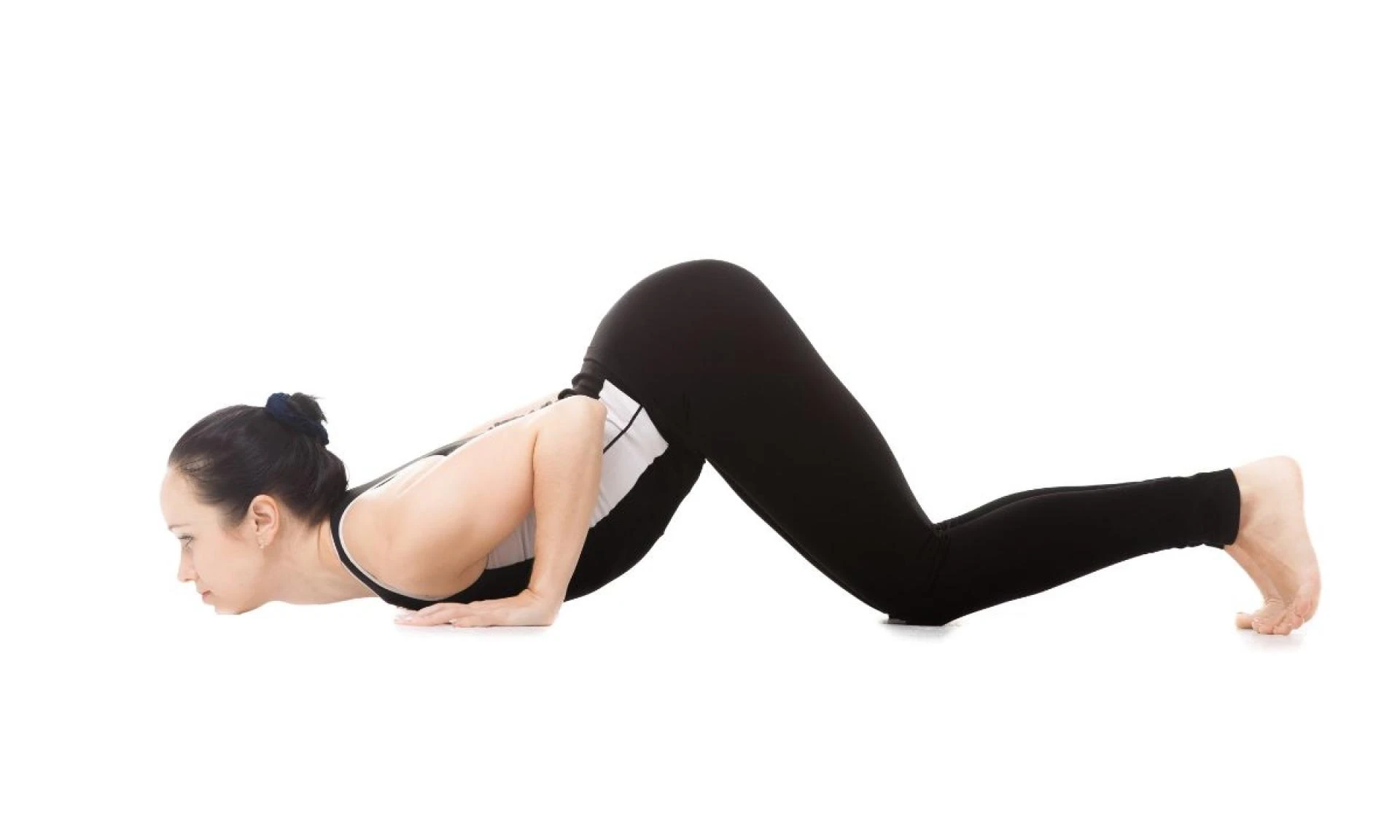

Yoga, with its profound history and versatile practices, offers something for everyone. Among the many poses, the Eight-Limbed Pose, known as Ashtanga Namaskara in Sanskrit, holds a unique place. Whether you’re a yoga newbie or a seasoned yogi, this foundational posture has much to offer in terms of strength, alignment, and mindfulness. Let’s dive deep into what makes Ashtanga Namaskara special, how to practice it effectively, and why it deserves a spot in your routine.
What Is the Eight-Limbed Pose (Ashtanga Namaskara)?
The Eight-Limbed Pose is a grounding position where eight parts of your body touch the mat: your feet, knees, chest, chin, and hands. This posture is a critical component of Surya Namaskar (Sun Salutation), a sequence of movements designed to energize and prepare your body for a full yoga session.
The name “Ashtanga Namaskara” literally translates to “Eight-Limbed Salutation.” It’s a humble bow that connects your physical, mental, and spiritual elements, symbolizing surrender to higher energy.
This posture is not only symbolic but also highly functional, offering multiple benefits when performed correctly.
Why Should You Practice Ashtanga Namaskara?
Let’s face it: modern life can leave us feeling stiff, weak, and disconnected from our bodies. The Eight-Limbed Pose addresses these challenges by fostering:
1. Strength and Stability
The posture engages your arms, shoulders, chest, and core muscles. Holding this pose builds upper body strength and enhances stability.
2. Improved Posture
By aligning your spine, this pose teaches you to maintain proper posture, reducing back pain and improving overall body mechanics.
3. Mindful Breathing
Ashtanga Namaskara encourages you to synchronize your breath with movement. This mindful approach calms your mind and reduces stress.
4. Flexibility
Practicing this pose helps stretch key areas, such as your chest, spine, and shoulders, increasing flexibility over time.
5. Foundation for Advanced Poses
Mastering the Eight-Limbed Pose prepares you for more advanced postures. It’s a stepping stone in your yoga journey.
How to Perform the Eight-Limbed Pose Step-by-Step
Getting into Ashtanga Namaskara might look simple, but doing it right is crucial for reaping its benefits and avoiding injuries. Here’s how to do it:
1. Start in Plank Position
- Begin in a high plank with your wrists directly under your shoulders.
- Engage your core to prevent your lower back from sagging.
2. Lower to Knees
- Gently drop your knees to the mat while maintaining a straight spine.
3. Lower Chest and Chin
- Bend your elbows to bring your chest and chin down to the mat.
- Ensure your elbows hug your sides for proper alignment.
4. Keep Hips Elevated
- Unlike a full plank, your hips remain slightly lifted, creating an arch in your lower back.
5. Hold and Breathe
- Take deep breaths while holding the pose for a few seconds. Feel the stretch in your chest and shoulders.
6. Transition Smoothly
- To move out of the pose, slide forward into Bhujangasana (Cobra Pose) or return to a resting position like Balasana (Child’s Pose).
Common Mistakes to Avoid
Even though the Eight-Limbed Pose seems straightforward, beginners often fall into these traps:
- Sagging Hips: Keep your hips slightly lifted to avoid strain on your lower back.
- Flared Elbows: Ensure your elbows stay close to your body to protect your shoulders.
- Holding Breath: Don’t forget to breathe! Breathing is essential for staying relaxed and connected.
- Rushing the Pose: Take your time. Proper alignment is more important than speed.
Modifications for Beginners
If you’re just starting out, don’t worry. You can modify the pose to suit your current strength and flexibility levels:
- Use a Yoga Block: Place a block under your chest for added support.
- Shorter Holds: Hold the pose for just a few seconds and gradually increase the duration as you build strength.
- Knee Padding: Use a folded towel or extra padding under your knees for comfort.
Advanced Variations
For seasoned yogis looking to spice things up, try these advanced variations:
- Hovering Ashtanga Namaskara: Keep your chest and chin a few inches off the ground to intensify the challenge.
- One-Legged Pose: Lift one leg while holding the pose to engage your core and improve balance.
- Flow Integration: Transition seamlessly between Eight-Limbed Pose and other challenging postures, like Chaturanga Dandasana.
Benefits Beyond the Mat
Practicing Ashtanga Namaskara doesn’t just improve your physical health; it also nurtures your mental and emotional well-being. Here’s how:
1. Mental Clarity
Focusing on alignment and breath quiets the chatter of the mind, leaving you feeling refreshed and focused.
2. Emotional Release
The humble bow of the Eight-Limbed Pose symbolizes surrender and trust. It can be a deeply emotional experience, releasing pent-up tension.
3. Spiritual Growth
In yoga philosophy, surrendering in this pose is seen as an act of devotion, connecting you to something greater than yourself.
How to Incorporate Ashtanga Namaskara Into Your Practice
The Eight-Limbed Pose fits beautifully into any yoga sequence. Here are a few ideas:
- Morning Routine: Use it in your Sun Salutations to energize your day.
- Strength-Building Flows: Pair it with plank variations to create an upper-body-focused sequence.
- Cooldown Sequence: Use it as a transition into restorative poses for a relaxing end to your practice.
Tips for a Safe and Enjoyable Practice
- Warm Up First: Loosen up your shoulders and spine with gentle stretches before attempting the pose.
- Listen to Your Body: Never push through pain. Modify the pose if something doesn’t feel right.
- Seek Guidance: If you’re unsure about your alignment, consider taking a class or consulting a yoga instructor.
Frequently Asked Questions (FAQs)
Q: Is Ashtanga Namaskara suitable for beginners?
A: Yes! It’s a foundational pose that can be modified for all levels.
Q: Can I practice this pose daily?
A: Absolutely. It’s gentle enough for daily practice and can be incorporated into various sequences.
Q: What if I have wrist pain?
A: Try using wrist supports or consult a professional for alternative poses.
Final Thoughts
The Eight-Limbed Pose (Ashtanga Namaskara) is more than just a physical exercise. It’s a bridge between strength, flexibility, mindfulness, and spirituality. By practicing it with intention and care, you can unlock a wealth of benefits that extend beyond the mat.
So, roll out your yoga mat, embrace this humble pose, and let it guide you toward a stronger, calmer, and more connected version of yourself. Namaste!









Sign in to leave a comment.