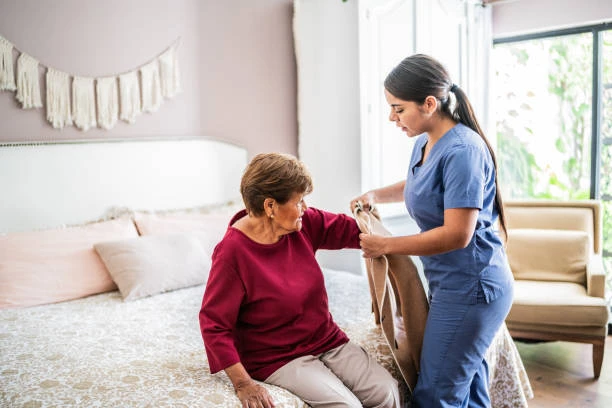

Elderly care is essential for ensuring that senior citizens live a comfortable, healthy, and dignified life. As people age, they often face physical, emotional, and cognitive challenges that require specialized attention. Whether through home care, assisted living, or nursing facilities, proper elderly care services help seniors maintain their quality of life and independence. Families and caregivers play a crucial role in providing the necessary support, ensuring that older adults receive the care they need.

Types of Elderly Care
In-Home Care
Many seniors prefer to stay in the comfort of their own homes as they age. In-home care services provide assistance with daily activities such as bathing, dressing, cooking, medication management, and companionship. Professional caregivers or family members often take on these responsibilities, ensuring that seniors can continue living independently for as long as possible.
Assisted Living Facilities
For seniors who need some assistance but still want to maintain their independence, assisted living facilities provide a balance between support and autonomy. These facilities offer housing, meals, medical assistance, and social activities, creating a safe and engaging environment for elderly residents.
Nursing Homes
Nursing homes provide full-time medical and personal care for seniors with serious health conditions or disabilities. These facilities have trained medical staff available 24/7 to assist with medications, therapies, and overall health monitoring. Nursing homes are ideal for those who require constant supervision and specialized medical care.
Memory Care Facilities
For seniors with Alzheimer’s disease or dementia, memory care facilities provide specialized care in a secure environment. These facilities offer structured routines, cognitive therapy, and trained staff to support seniors with memory-related conditions.
Importance of Elderly Care
Proper elderly care improves the overall well-being of seniors by addressing their physical, emotional, and social needs. Key benefits include:
- Improved Health and Safety – Regular medical check-ups, proper nutrition, and a safe living environment reduce health risks.
- Enhanced Emotional Well-Being – Companionship and social engagement help prevent loneliness and depression.
- Support for Families – Professional care relieves the burden on family members, ensuring that their loved ones receive quality care.
Conclusion
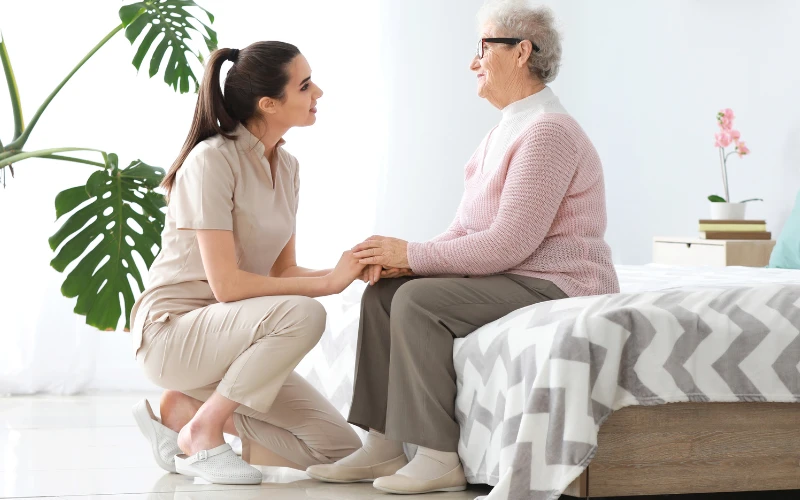
Elderly care is a crucial aspect of maintaining the dignity, health, and happiness of senior citizens. Whether through home care, assisted living, or specialized facilities, ensuring proper support for the elderly allows them to enjoy their later years with comfort and respect. Families should explore the best care options to meet the unique needs of their aging loved ones.



























Sign in to leave a comment.