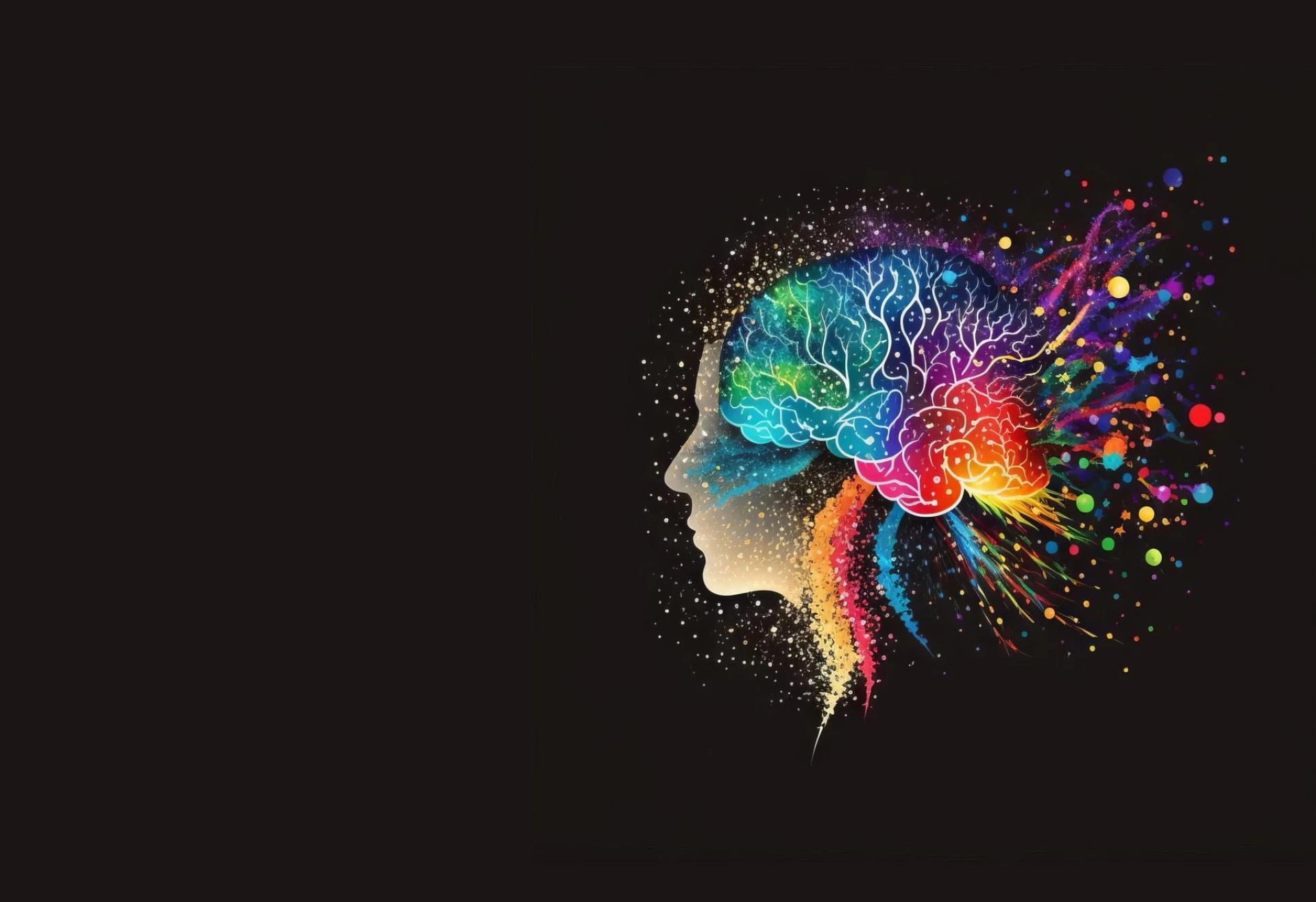

Millions of people worldwide suffer with neuropathic pain, a crippling disorder marked by nerve injury or dysfunction that frequently results in chronic discomfort, tingling, burning, and hypersensitivity. Neuropathic pain may not respond well to conventional pain management techniques like medicine and physical therapy, which has led to research into complementary therapies like electrical stimulation. In order to modify pain signals and improve pain relief, electrical stimulation therapy applies electrical currents to specific parts of the body. In-depth discussions of electrical stimulation therapy's science, modalities, applications, advantages, and drawbacks are provided in this extensive guide.
1. Understanding Neuropathic Pain:
When the nervous system is damaged or malfunctions, inappropriate pain signal processing results, which causes the impression of pain even in the absence of a nociceptive input. Neural compression, trauma, inflammation, and diseases including diabetic neuropathy, postherpetic neuralgia, and peripheral neuropathy are among the common causes of neuropathic pain. Numbness, burning or tingling sensations, shooting or stabbing sensations, and hypersensitivity to touch or temperature changes are common characteristics of neuropathic pain. Comprehending the fundamental processes of neuropathic pain is essential to creating focused therapeutic strategies that tackle its distinct obstacles. which also provides information on how people with neuropathic pain can successfully incorporate this cutting-edge pain management strategy into their daily routines.
2. Electrical Stimulation Therapy Fundamentals:
The principles of neurostimulation are used in electrical stimulation therapy to control pain signals and restore normal nerve function. distinct electrical stimulation therapy techniques, such as transcutaneous electrical nerve stimulation (TENS), spinal cord stimulation (SCS), peripheral nerve stimulation (PNS), and intramuscular electrical stimulation (IES), are used to target distinct components of neuropathic pain. Through surface electrodes or implanted devices, these techniques provide electrical currents to targeted nerves or body parts in order to block pain signals, activate the body's natural pain-relieving systems, and encourage tissue healing.
Three Categories of Electrical Stimulation Methods:
A non-invasive kind of electrical stimulation therapy called transcutaneous electrical nerve stimulation (TENS) uses electrodes to apply low-voltage electrical currents to the skin's surface. TENS therapy is believed to function by preventing pain signals from entering the brain and by inducing the body's endogenous analgesics, endorphins, to be released. Electrodes are inserted along the spinal cord to deliver electrical impulses known as spinal cord stimulation (SCS), which blocks pain signals before they reach the brain. While intramuscular electrical stimulation (IES) sends electrical currents straight into injured muscles to reduce pain and enhance function, peripheral nerve stimulation (PNS) targets particular peripheral neurons involved in pain perception.
4. Electrical Stimulation Therapy Applications:
Numerous neuropathic pain problems, such as diabetic neuropathy, peripheral neuropathy, postherpetic neuralgia, complex regional pain syndrome (CRPS), and pain associated to spinal cord injuries are treated using electrical stimulation therapy. TENS therapy offers on-demand pain relief without the need for medication and is frequently used as a non-invasive, self-administered treatment option for both acute and chronic pain disorders. More intrusive techniques like peripheral nerve stimulation (PNS) and spinal cord stimulation (SCS) are usually saved for people with refractory neuropathic pain who have not responded to conventional therapies.
5. Mechanisms of Action:
There are several different and intricate mechanisms that underlie the efficiency of electrical stimulation therapy in the treatment of neuropathic pain. According to the gate control theory of pain, TENS therapy acts by stimulating large-diameter sensory nerves, which can prevent pain signals from reaching the brain. Furthermore, endorphins and other neurotransmitters involved in pain regulation may be stimulated by TENS therapy. In order to block pain signals and cause analgesia, spinal cord stimulation (SCS) and peripheral nerve stimulation (PNS) directly alter the activity of pain-signaling pathways in the central and peripheral nervous systems.
6. Benefits and Things to Think About:
For people with neuropathic pain, electrical stimulation therapy may provide a number of advantages, such as notable pain alleviation, better physical function, a decreased need for painkillers, and an improved quality of life. TENS therapy is appropriate for self-administration at home since it is non-invasive, simple to use, and generally well-tolerated. For those with refractory neuropathic pain, spinal cord stimulation (SCS) and peripheral nerve stimulation (PNS) can offer long-term pain relief. These procedures include surgical electrode insertion. But not everyone will benefit from electrical stimulation therapy, so speaking with a medical expert is crucial to figuring out the best course of action depending on each patient's unique requirements and preferences.
7. Future Directions and Conclusion: ‘
With more research, the field of electrical stimulation therapy may see advancements in the treatment of neuropathic pain. New technologies that have the potential to improve pain relief and treatment outcomes include burst stimulation, high-frequency spinal cord stimulation, and closed-loop systems. Furthermore, additional investigation into the fundamental processes of electrical stimulation therapy and its impacts on neuroplasticity, inflammation, and pain perception may result in more specialized and individualized therapeutic modalities. Electrical stimulation therapy can be incorporated into complete pain management regimens to provide relief and restore quality of life for those suffering from neuropathic pain.

















Sign in to leave a comment.