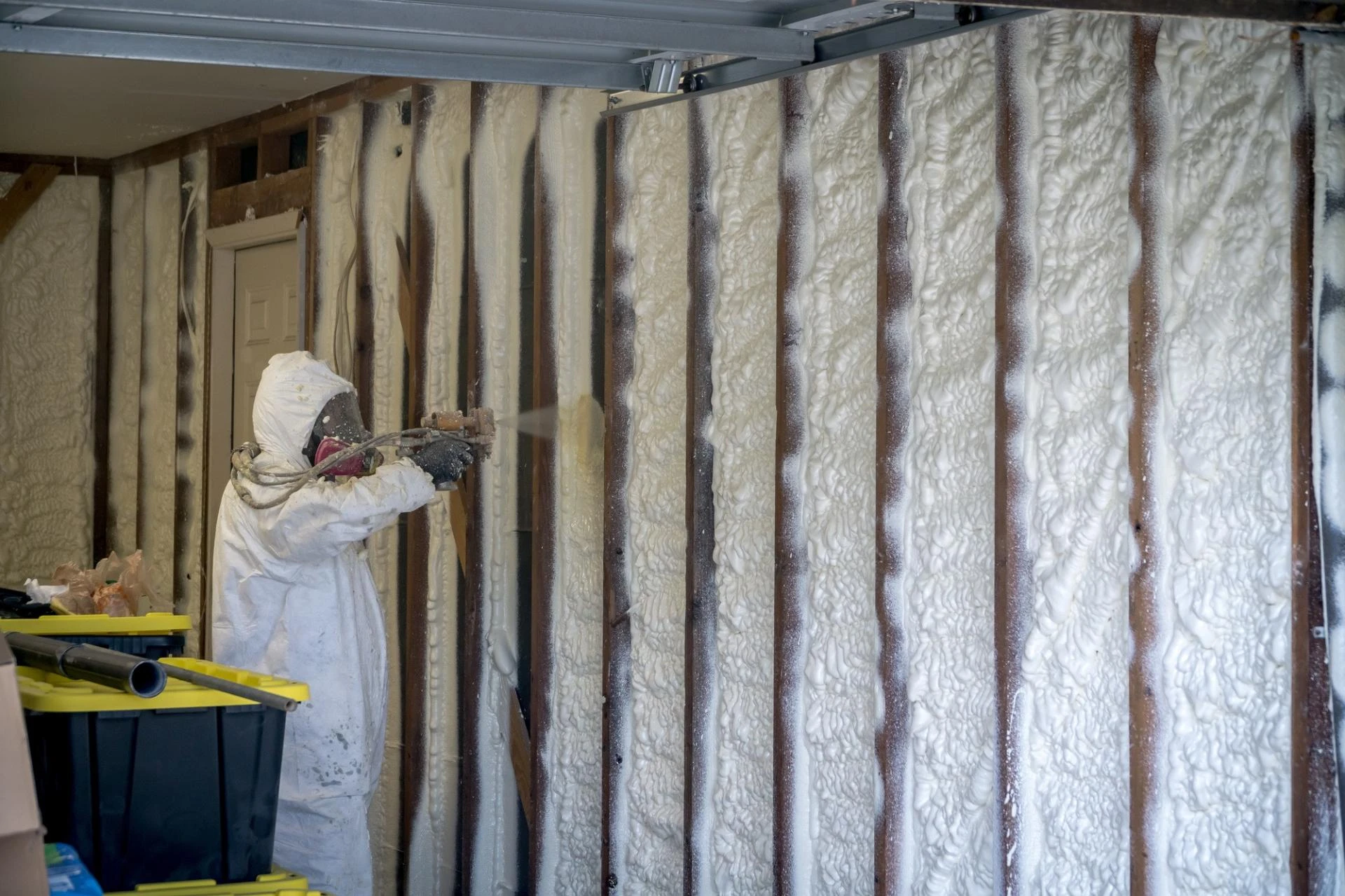
Maximizing your property's energy efficiency starts with one of the most overlooked yet essential upgrades—insulation. Expert insulation solutions create a thermal barrier that keeps conditioned air in and external temperature extremes out. This not only stabilizes indoor comfort levels but also lowers heating and cooling demands, contributing to lower energy bills and reduced emissions.
In this guide, you’ll learn the essential details behind expert insulation solutions. From material comparisons and technical performance metrics to common questions and decision-making factors, this resource delivers straight answers to help property owners and managers make informed, confident choices.
Understanding Insulation and Energy Performance
Insulation works by reducing the transfer of heat through walls, ceilings, and floors. Heat always flows from warm to cold—without insulation, this means warm air escapes your building in winter and enters during summer. The right insulation acts like a thermal blanket, maintaining consistent temperatures and reducing reliance on HVAC systems.
Key Benefits of Effective Insulation
- Consistent indoor temperature
- Reduced heating and cooling loads
- Lower utility bills
- Moisture and condensation control
- Improved soundproofing in noisy environments
Poor insulation leads to fluctuating temperatures, drafty rooms, mold issues, and high energy costs. Addressing this with expert materials and installation ensures sustainable, cost-efficient living or working spaces.
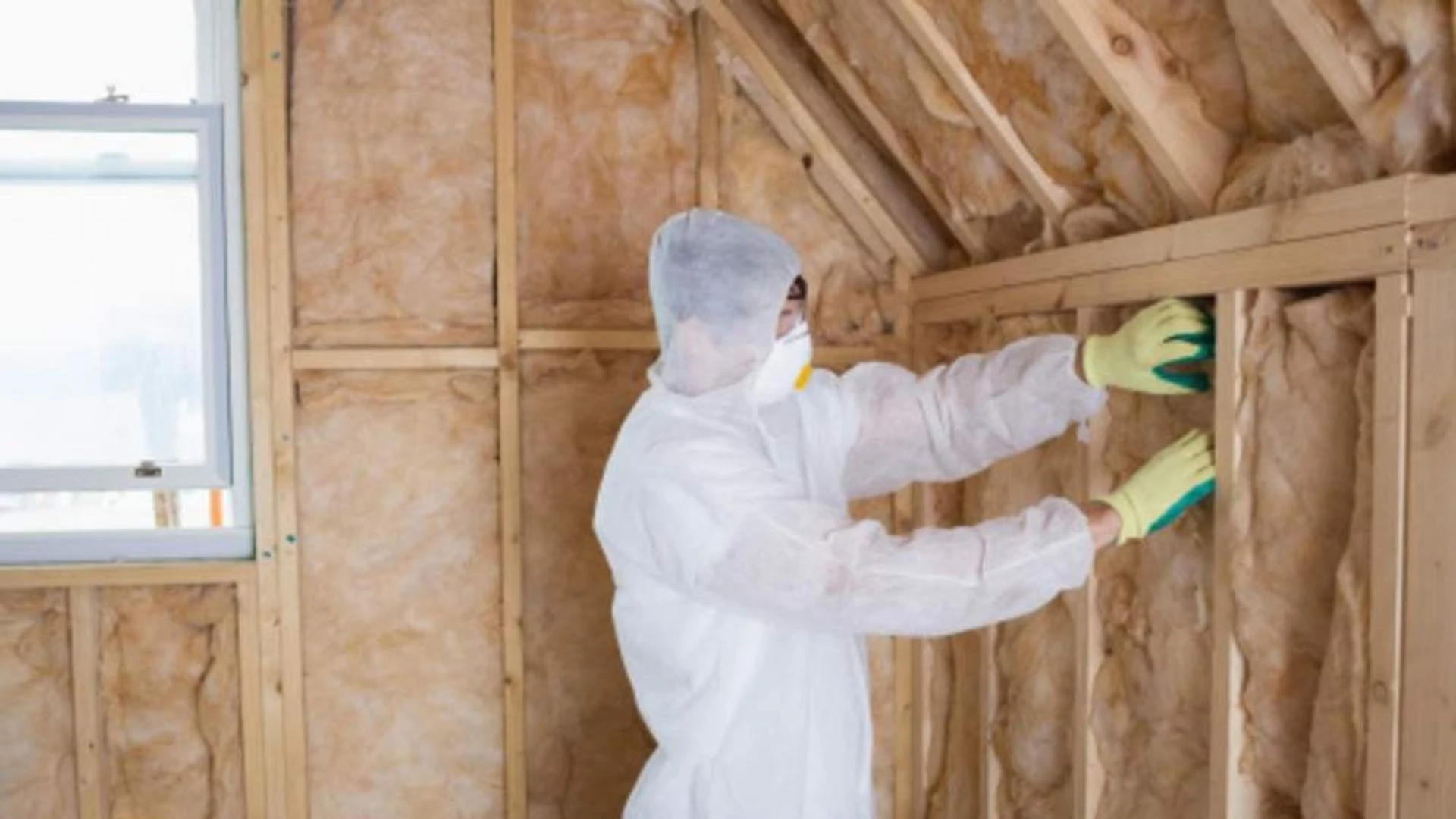
Common Insulation Types and Performance Comparison
Insulation options vary by material type, application method, and thermal performance. Each serves specific needs based on building design, regional climate, and installation space.
Bonus Tip
Choose closed-cell foam for tight spaces where high thermal resistance is required per inch. It also adds structural integrity.
Technical Performance Metrics
Insulation isn’t just about thickness. It’s about how the material resists heat flow, controls moisture, and integrates with your building system. Each of these metrics impacts overall efficiency.
Things to Consider Before Making a Decision
Insulation effectiveness depends not only on what you install but also where and how it's used. Each building presents unique thermal challenges. Consider these elements before moving forward.
- Climate Zone
- Properties in colder regions (Zone 5–8 in the U.S. and Canadian North) demand higher R-values, particularly in attics and walls.
- Building Type and Age
- Older structures often lack consistent insulation and may have irregular cavities. Retrofit-friendly materials like cellulose are ideal in these cases.
- Moisture Exposure
- Basements, bathrooms, and below-grade areas need insulation with low vapor permeance to prevent mold and structural decay.
- Space Constraints
- Narrow wall cavities or tight rooflines benefit from high-R-value materials like closed-cell foam or foam boards.
- Budget vs. Return
- Initial cost varies. However, high-performance materials often reduce long-term utility bills enough to justify the investment.
Bonus Tip
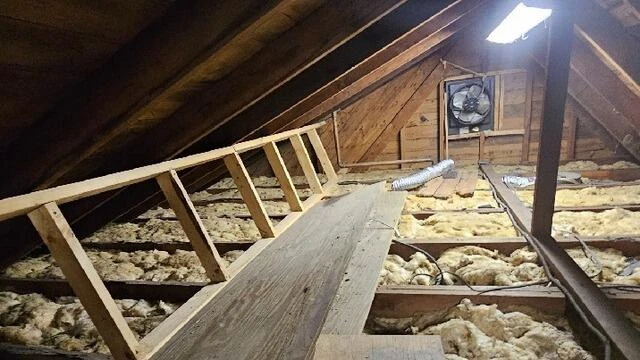
Inspect insulation depth with a ruler in the attic and compare it to current R-value recommendations in your zone. Inadequate thickness is the most common cause of energy waste.
Market Insight on Energy Impact
The U.S. Department of Energy estimates that proper insulation and air sealing can save homeowners up to 15% on heating and cooling costs, or approximately 11% of total energy bills. In Canadian homes, NRCan reports that energy retrofits including insulation can improve performance by 20–30%, often qualifying for rebate programs.
Commercial properties benefit as well—insulation upgrades can decrease cooling loads significantly, especially in high-glazing or open-roof designs.
Installation Methods and Application Process
Each insulation type comes with a specific installation approach. Ensuring proper application is just as important as selecting the material.
Application Overview
- Batts and Rolls
- Fit between joists and studs. Require precision to avoid gaps. Cost-effective for new builds and open cavities.
- Blown-in (Loose-fill)
- Applied via a blower machine. Ideal for retrofits or irregular cavities. Commonly used in attics and old walls.
- Foam Boards
- Cut and fit onto wall exteriors or foundation interiors. Require sealing at joints for thermal continuity.
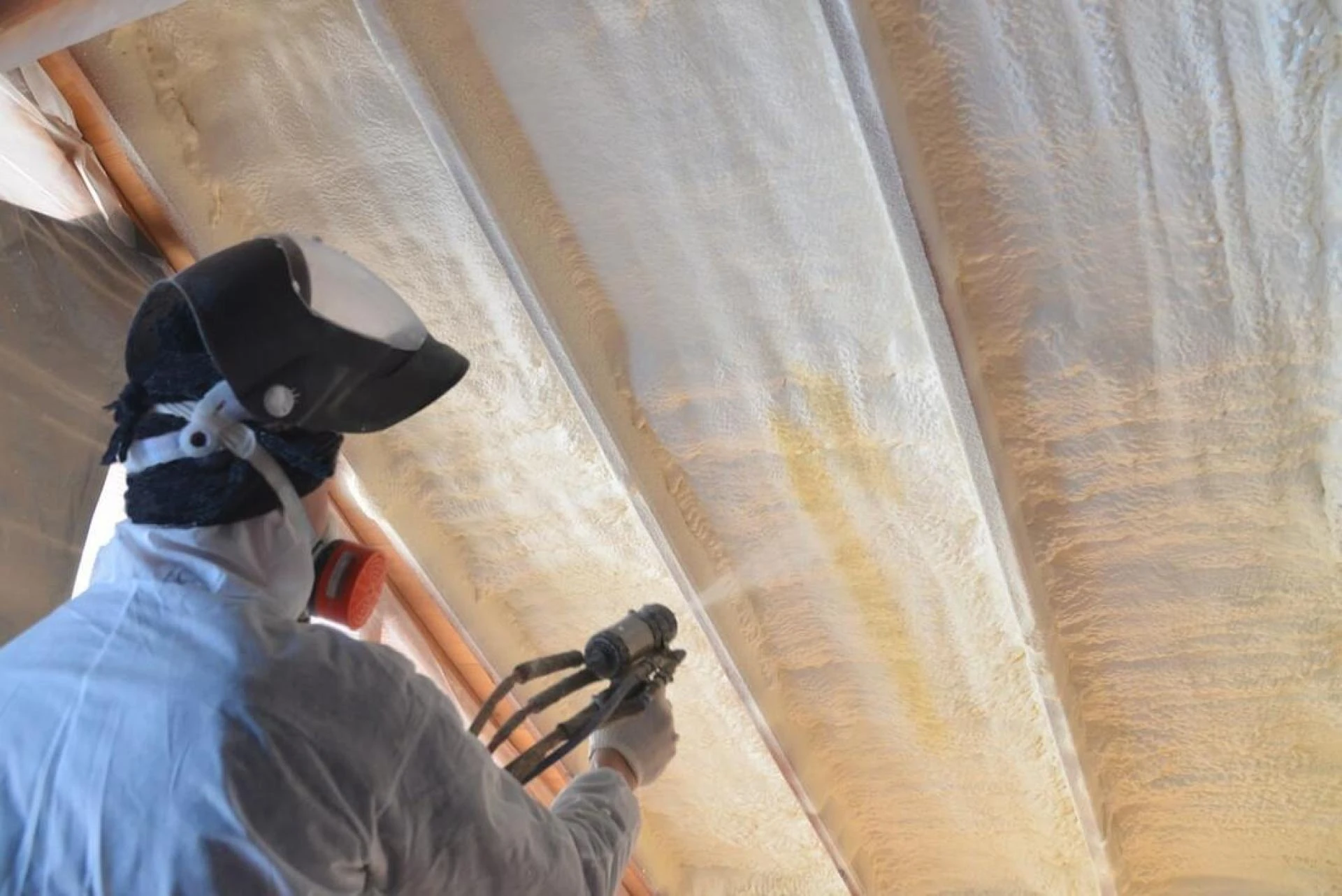
- Spray Foam
- Expands upon application. Offers air sealing and high R-values. Requires professional equipment and training.
Bonus Tip
Improper installation can cut insulation effectiveness by up to 25%. A thermal scan after installation confirms proper coverage and identifies missed spots.
 Common Questions About Insulation
What’s the ideal R-value for my region?
Refer to your local energy code or regional climate zone. For example:
- Zone 3: R-30 attic, R-13 walls
- Zone 6: R-49 attic, R-20 walls
- Zone 8: R-60 attic, R-24 walls
Can insulation be added over old material?
Yes, especially in attics. Blown-in or batt insulation can be layered. Ensure no mold or moisture is present before adding new layers.
How long does insulation last?
Durability depends on the material and exposure. Fiberglass and foam boards last up to 30 years, while closed-cell Spray foam insulation can exceed 50 years if undisturbed.
Is more insulation always better?
No. Over-insulating can trap moisture and disrupt airflow. Use target R-values for your zone and balance with ventilation.
Topic FAQ
How do I assess current insulation levels?
Use a tape measure or insulation ruler in the attic to check depth. Compare to local code minimums. Thermal imaging can reveal wall gaps.
What’s the best insulation for humid areas?
Closed-cell foam or rigid foam boards perform best in high-moisture zones due to their low permeance and mold resistance.
Can I insulate without professional help?
Batts and boards can be DIY-installed with care. Spray foam or blown-in types are best left to professionals to ensure safety and coverage.
Does insulation improve air quality?
Yes, indirectly. It reduces outdoor pollutant entry and controls condensation, minimizing mold risk.
Is insulation effective in summer?
Absolutely. It keeps heat out during warm months, reducing cooling system load and maintaining comfort.
Make the Right Decision
Improving your property’s energy performance with insulation isn’t just about cutting costs—it’s about creating healthier, more comfortable spaces. Before committing to any material, evaluate your building’s structure, location, and moisture risks. Understand technical ratings and ensure professional-grade installation where necessary.
When insulation is matched properly to climate and building use, the long-term gains in efficiency, durability, and indoor quality are substantial. Take time to assess your building envelope and choose a solution that fits your energy goals now and well into the future.

























Sign in to leave a comment.