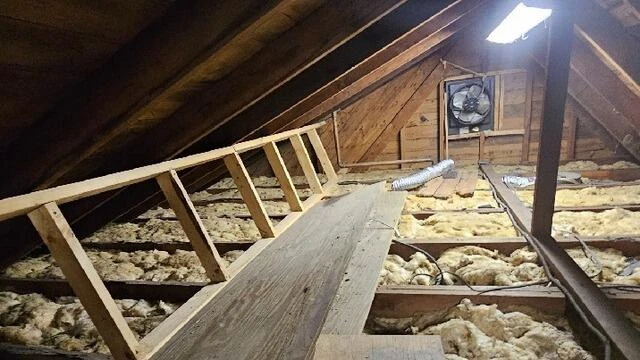
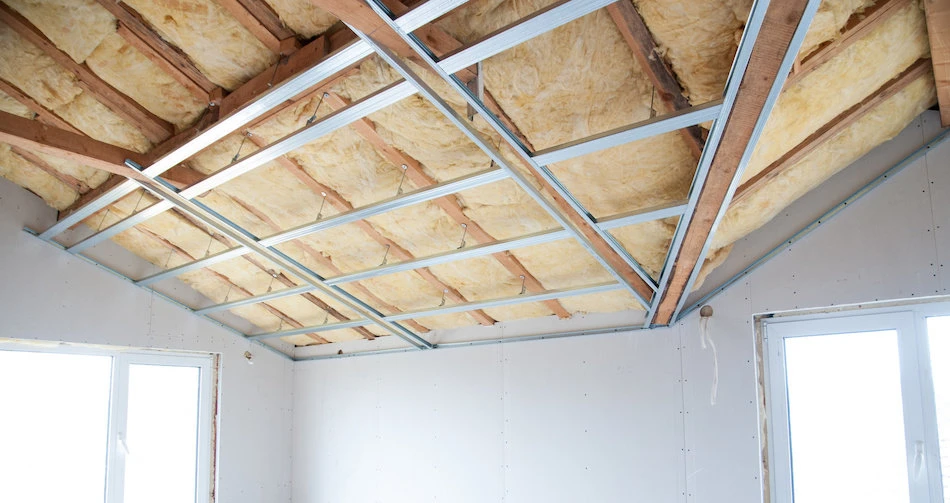
Reinsulating a home addresses energy efficiency, comfort, and safety concerns by updating or replacing existing insulation that has deteriorated or become outdated. In Oxford’s mixed humid climate, effective insulation combats seasonal temperature swings, reduces energy bills, and prevents moisture problems. To reinsulate properly, evaluate insulation condition, type, and installation method; choose materials suited for Oxford’s environment; and consider professional removal and replacement to maximize results.
This guide provides detailed, practical insights into the when, why, and how of reinsulating your home in Oxford, backed by extensive hands-on experience and building science knowledge. It aims to equip homeowners with the facts and technical understanding necessary to make informed insulation decisions that deliver lasting performance.
When to Reinsulate Your Home
Reinsulation becomes necessary when existing insulation no longer performs effectively due to age, damage, or changes in building use. Key signs include:
- Noticeable drafts or uneven temperatures
- Rising energy bills despite no change in usage
- Visible damage such as mold, moisture, or pest infestation in insulation
- Renovations exposing wall or attic cavities
- Outdated insulation types with low R-values
In Oxford, homes built before the 1980s are particularly likely to benefit from reinsulation due to lower historical standards. Seasonal moisture cycles can degrade insulation materials, making regular inspection crucial every 10-15 years.
Bonus Tip: During inspection, check for air leaks around windows, doors, and electrical outlets, as sealing these complements insulation effectiveness.
Why Reinsulate in Oxford
Oxford’s climate experiences cold winters and warm summers with moderate humidity, placing unique demands on insulation systems:
Energy Savings: According to the U.S. Department of Energy, properly insulated homes can save 15-30% on heating and cooling costs.
Comfort Improvement: Consistent indoor temperatures and reduced drafts reduce heating system strain.
Moisture Control: Reinsulation with vapor barriers or spray foam prevents condensation-related damage.
Environmental Impact: Updating insulation lowers carbon footprint by reducing energy consumption.
Failure to reinsulate risks increased utility expenses and structural problems from moisture buildup, especially in older homes.
How to Reinsulate Your Home Right in Oxford
Proper reinsulation involves selecting the right materials, removing damaged insulation safely, and installing new insulation to maximize thermal resistance and air sealing.
Step 1: Assess and Remove Old Insulation
Damaged or contaminated insulation (moldy, compacted, pest-infested) must be removed professionally to avoid indoor air quality issues.
Step 2: Choose Appropriate Insulation Type
Material choice depends on area (attic, walls, crawl spaces), budget, and performance needs.
Insulation Type
R-Value per Inch
Moisture Resistance
Air Sealing Capability
Typical Use
Cost Estimate (per sq ft)
Open-Cell Spray Foam
3.5 - 3.6
Moderate
High
Walls, ceilings
$1.00 - $1.50
Closed-Cell Spray Foam
6.0 - 7.0
High
Very High
Foundations, basements
$1.50 - $2.50
Blown-In Cellulose
3.2 - 3.8
Low
Moderate
Attics, wall cavities
$0.60 - $1.20
Mineral Wool Insulation
3.7 - 4.2
High
Moderate
Fireproofing, soundproofing
$0.80 - $1.30
Blown-In Fiberglass
2.2 - 2.7
Low
Low
Attics, open cavities
$0.50 - $1.00
Bonus Tip: Closed-cell spray foam acts as an air barrier and vapor retarder, ideal for basements and crawl spaces prone to moisture.
Step 3: Install Insulation According to Best Practices
- Ensure full cavity fill without compression to maintain R-value.
- Use vapor retarders where needed to prevent condensation.
- Seal gaps and penetrations for airtight performance.
- Maintain ventilation requirements in attic spaces to prevent moisture buildup.
Step 4: Verify and Inspect
Post-installation inspection confirms insulation depth, coverage, and air sealing quality. Infrared thermography can detect cold spots and air leaks.
Technical Specifications and Regional Guidance
Specification
Oxford Climate Requirement
Explanation
Minimum Attic R-Value
R-49
Meets cold winter heat retention needs per DOE recommendations
Wall Insulation R-Value
R-20 to R-21
Suitable for exterior walls to balance heat retention and cooling
Vapor Barrier Location
Warm side (interior) in winter
Prevents moisture from migrating into insulation and walls
Air Sealing Recommended
>95% airtightness for efficiency
Limits heat loss and drafts, essential in mixed humid climate
Moisture Management
Required in crawl spaces/ basements
Prevents mold and rot in humid conditions
(Source: U.S. Department of Energy, Building Science Corporation)
Things to Consider Before Making a Decision
Budget Constraints
Insulation costs can vary significantly depending on the type of material, the size of the area, and whether old insulation needs to be removed. Removal of damaged or outdated insulation adds labor and disposal expenses. Materials like spray foam typically cost more upfront than cellulose or fiberglass but may provide greater long-term returns. Always include installation labor and potential preparation work in the total budget estimate.
Home Age and Construction
Older homes often lack proper air sealing or have structural issues such as uneven framing or degraded vapor barriers. Before reinsulating, assess whether additional upgrades like sealing wall penetrations, replacing sheathing, or updating ventilation systems are needed. These can impact both performance and durability.
Material Suitability
Oxford’s seasonal humidity and temperature shifts demand insulation that resists moisture and maintains performance over time. Materials like mineral wool and closed-cell spray foam offer superior resistance compared to fiberglass or cellulose in damp conditions.
Health and Safety
If insulation is contaminated with mold, pests, or asbestos, it poses health risks and must be removed by professionals using appropriate containment and disposal procedures. Ignoring these hazards can lead to indoor air quality issues.
Long-Term Savings
High-performance materials such as closed-cell spray foam have higher initial costs but often reduce energy bills more significantly over time. When calculating value, consider lifespan, R-value retention, and maintenance needs over 10-15 years.
Permits and Codes
Reinsulating a home may trigger local code requirements, especially if structural changes or vapor barriers are involved. Always check Oxford’s building codes and secure permits as needed to avoid compliance issues or delays.
Relevant Services for Reinsulation Projects
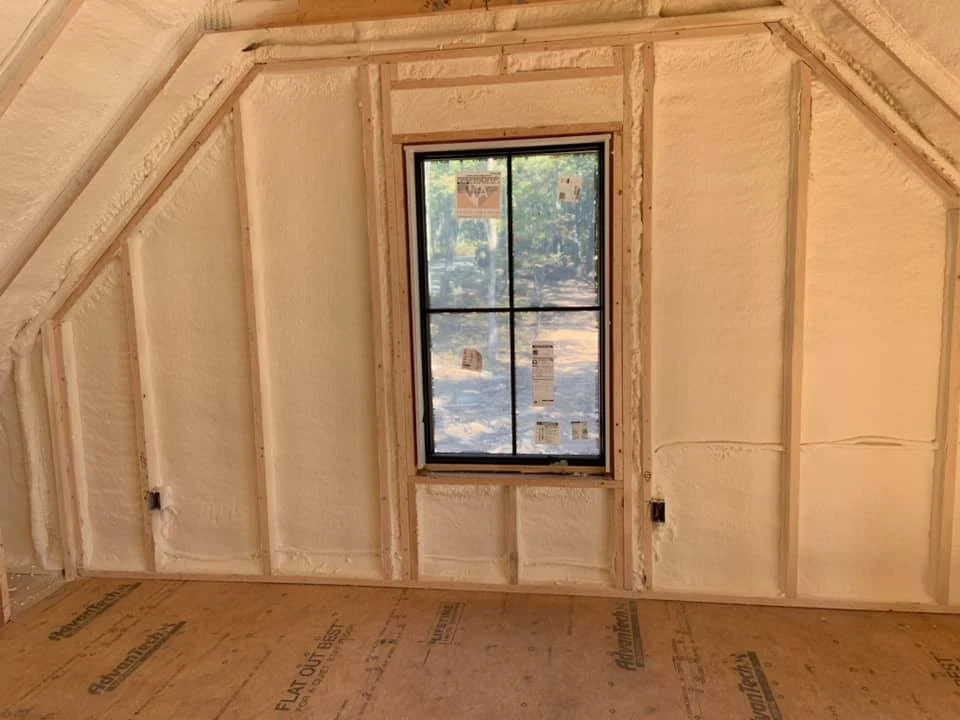
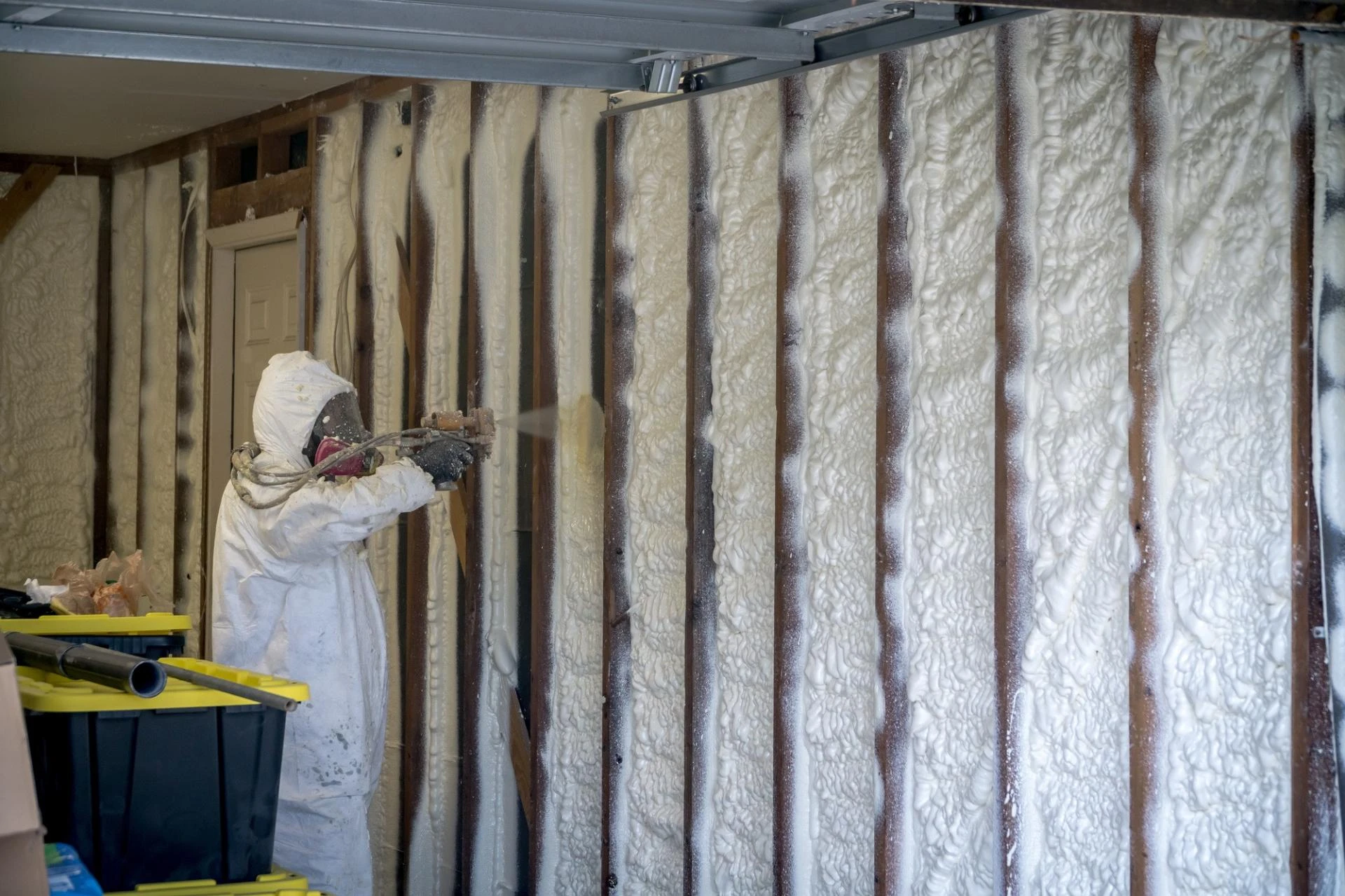
- Open-Cell Spray Foam Insulation: Offers high expansion for filling cavities, good thermal and sound insulation.
- Closed-Cell Spray Foam Insulation: High density with excellent moisture barrier properties.
- Insulation Removal: Safe and thorough removal of old or damaged insulation to prepare for upgrades.
- Thermal & Intumescent Coatings: Applied over insulation to enhance fire resistance.
- Blown-In Insulation: Efficient fill for attics and wall cavities, including cellulose and fiberglass options.
- Mineral Wool Insulation: Provides fire resistance and soundproofing with good thermal value.
- Dense-Pack Cellulose: High-density blown-in cellulose that minimizes air gaps and improves performance.
Common Questions About Reinsulating Your Home
How long does reinsulation take? Typically 1-3 days depending on the home size and insulation type, including removal and cleanup.
Will reinsulating require moving out? Most projects allow residents to stay, but extensive spray foam work may require temporary relocation due to odors and curing.
Can I add insulation over existing insulation? Only if the current insulation is dry, mold-free, and properly installed. Otherwise, removal is recommended.
What R-value is best for my home? Oxford’s building codes recommend R-49 for attics and R-20 for walls; consult a professional for exact needs.
FAQ
What maintenance does insulation require? Insulation generally requires no maintenance but should be inspected every 10 years for moisture or pest damage.
Can insulation improve indoor air quality? Yes, especially spray foam insulation, which seals air leaks that allow pollutants to enter.
Is spray foam insulation environmentally friendly? Modern spray foams have low global warming potential and reduce energy consumption, supporting sustainability goals
How does insulation affect resale value? Updated insulation can increase home value by demonstrating energy efficiency improvements.
Can insulation reduce noise? Yes, mineral wool and spray foam provide excellent sound dampening in walls and ceilings.
Ready to Achieve Energy Efficiency and Comfort?
Apply these insights now: Schedule your home insulation assessment and reinsulation project with experienced professionals. Upgrading insulation in Oxford’s climate enhances comfort, lowers energy bills, and safeguards your home from moisture damage.
Contact: Lamothe Insulation and Contracting Phone: (508) 847-0119 Email: [email protected]
Author: With over two decades of hands-on experience, Robert Lamothe, owner and lead installer of Lamothe Insulation, brings unparalleled expertise in spray foam insulation, carpentry, and building science. Since 2002, he has earned a reputation for precision, quality craftsmanship, and delivering energy-efficient solutions that stand the test of time. Lamothe Insulation is a family-owned and family-operated business, and Robert also owns the Goddard School of Auburn, an early childhood education school.
Reviewer: Ethan Taylor has 8 years of experience in spray foam insulation. He reviewed this content and suggested ways to simplify business outreach while keeping trust and professionalism intact.

























Sign in to leave a comment.