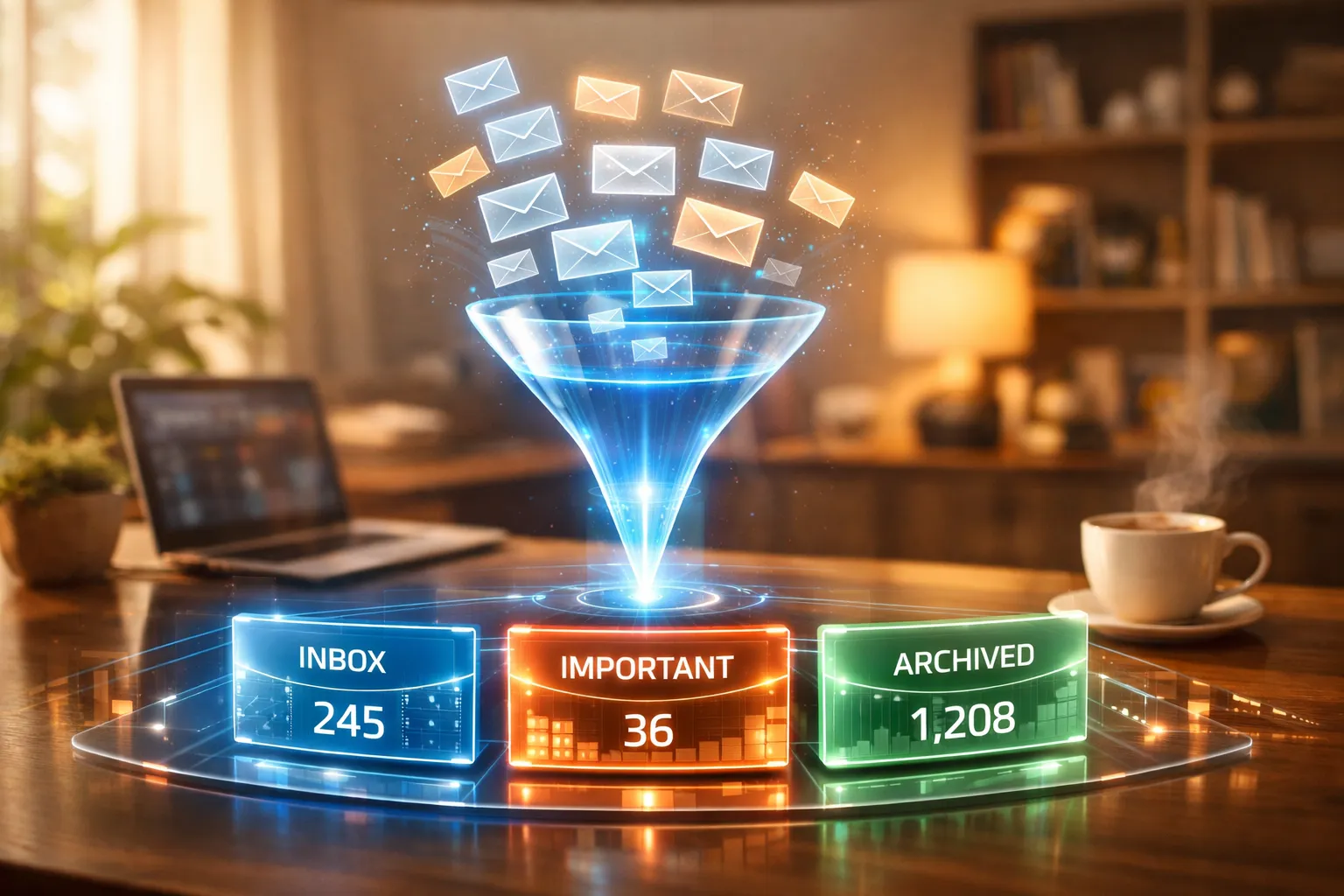

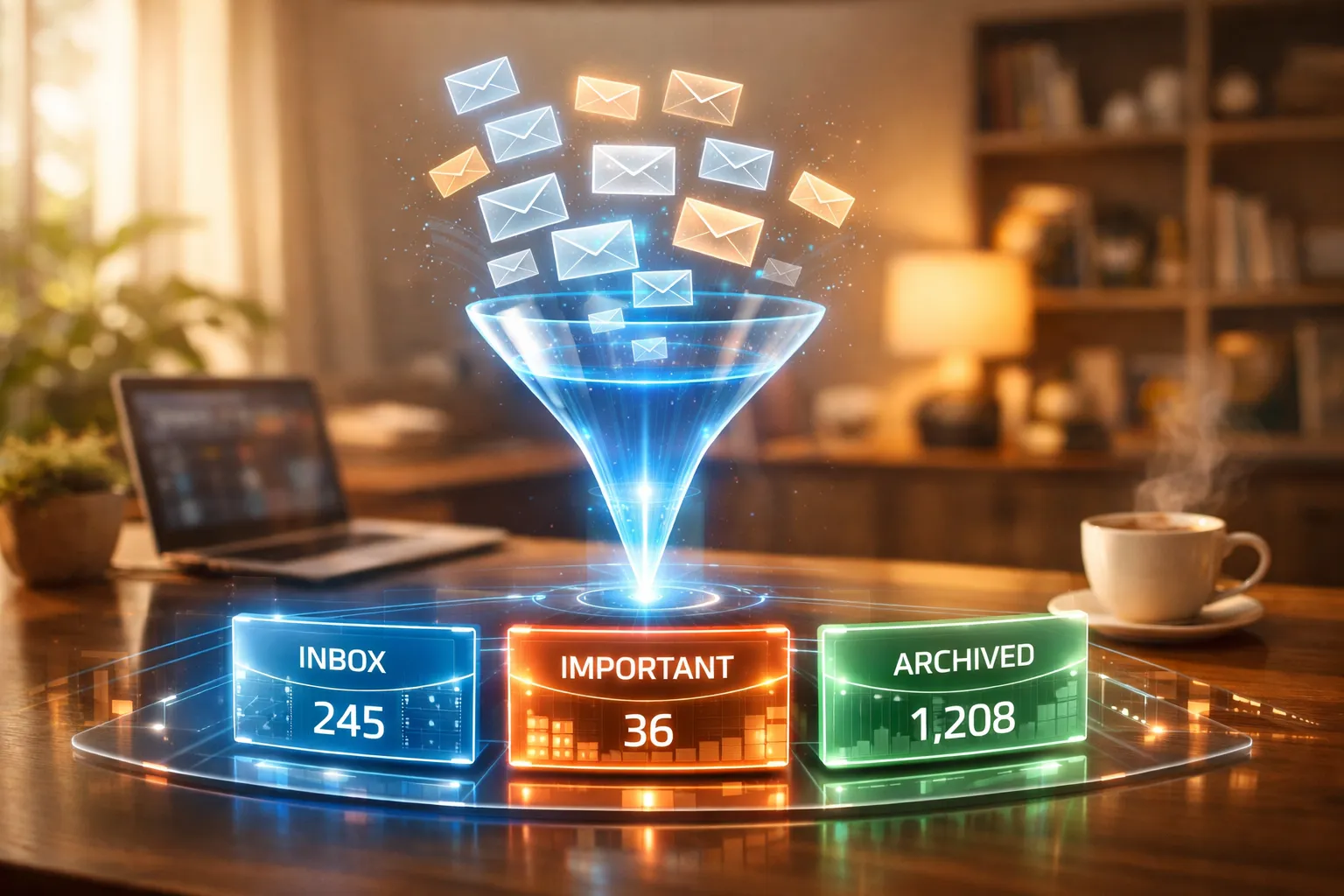
If you’re still manually sending out every newsletter or relying on a single, generic "Welcome" email, you’re essentially trying to fill a bucket with a fork. I’ve seen countless small business owners spend hours crafting a perfect email, only to send it at the wrong time to the wrong people. It’s exhausting, and frankly, it’s unnecessary.
When you transition to marketing automation strategies for digital brands, you stop chasing leads and start building a system that attracts and keeps them. Once you’ve learned how to build an email list for beginners, your next mission is to make that list work for you while you sleep.
Why "Set it and Forget it" is a Recipe for the Spam Folder
One of the biggest myths in our industry is that automation means you never have to look at your emails again. In 2026, the "set it and forget it" mindset is actually dangerous. Mailbox providers like Google and Yahoo have become incredibly sophisticated; if they see your automated sequences getting zero engagement, they will start routing your emails directly to the spam folder.
The Shift from Linear to Behavioral Workflows
Years ago, we used "Drip" campaigns - a simple line of emails sent every three days regardless of what the user did. Today, we use behavioral triggers. If a user clicks a link about SEO but ignores a link about Social Media, your automation should immediately pivot. This is the core of effective lead nurturing workflows for beginner marketers. You aren't just talking at them; you are responding to their digital body language.
Landing in the Inbox: The Technical Handshake (DMARC & BIMI)
Before you send a single automated message, you must handle the technical "handshake." In 2026, you cannot ignore DMARC, SPF, and DKIM settings. Without these, your automation is a ghost. We have seen businesses with lists of 10,000 people realize too late that their open rates dropped to 2% simply because they didn't verify their domain. It’s a boring technical step, but it’s the foundation of your authority.
The Three Pillars of High-Conversion Email Automation
To build a system that actually converts, you need to move past basic "First Name" tags. True automation feels like a one-on-one conversation between friends.
1. Dynamic Segmentation: Moving Beyond Generic Lists
Static lists are dead. Your automation should use "Lead Scoring."
The Lead Scoring Scenario:
- User A: Opens your email, clicks a link to your pricing page, and visits your site three times. (Score: 50)
- User B: Opens your email but hasn't clicked anything in a month. (Score: 5)
Your automation should automatically send a "Limited Time Offer" to User A, while sending an "Educational Guide" to User B to win back their interest. This keeps your brand relevant and prevents "unsubscribes" from people who aren't ready to buy yet.
2. Predictive Sending: The AI Edge in Timing
We’ve moved past the "best time to send" charts. AI now allows for predictive sending. If Sarah usually checks her email at 8:00 PM on her couch, and Mike checks his at 7:00 AM on the train, your automation should deliver the email to each of them at their specific peak time. Understanding the ChatGPT traffic impact on AI and SEO helps you realize that machine learning isn't just for search - it’s for your inbox, too.
3. Narrative Continuity: Keeping the "Human" in the Machine
The biggest mistake in implementing email automation for small business growth is sounding like a robot. Every email in your sequence should feel like a continuation of a story. If your first email is formal and your third is full of slang, you break the trust. I always advise my clients to write their sequences in one sitting to ensure the "voice" remains consistent throughout the journey.
Top 3 Advanced Workflows Every Small Business Needs
If you want to move beyond the basics, these three workflows are where the real revenue lives.
The "Resurrection" Sequence (Predictive Win-back)
Don't wait for someone to unsubscribe to try and win them back. Use automation to identify "cooling" leads - people who haven't opened your last four emails. Send them a "personal" check-in: "Hey, noticed you've been quiet lately. Is our content still hitting the mark, or should we talk about something else?" This human touch often prevents a lost lead.
The VIP "Golden Path"
Your top 10% of customers provide 80% of your revenue. Create a workflow that triggers when someone spends a certain amount or stays on your list for a year. This path should include exclusive content, early access to new posts, or a simple "Thank You" video. For inspiration on creating that video, check out how to use Canva for quick, professional clips.
The Educational "Bridge" (AEO Integration)
Automation is the perfect tool to boost your search presence. After a customer engages with a specific product, trigger an email asking for a review. As we discuss in our local SEO for voice search beginners guide, these reviews provide the "semantic data" that helps AI search engines recommend your business.
Measuring Success: The Math of Automation ROI
Stop obsessing over open rates. An open rate is a vanity metric if it doesn't lead to an action. Instead, focus on the Return on Investment (ROI) of your automation tools.
The ROI Formula for Automation
To truly understand the value, use this simple calculation:

Mini-Scenario:
You pay $50/month for a premium email tool. Through your automated "Abandoned Cart" and "Lead Nurture" sequences, you generate $1,500 in sales that you otherwise would have missed.

When you see a 2,900% ROI, you stop viewing automation as an "expense" and start seeing it as your most profitable employee.
Technical Toolkit: Recommended "No-Fluff" Resources
You don't need the most expensive enterprise software to succeed. Many of the free marketing tools for beginners offer robust automation features that can handle your first 1,000 subscribers with ease. Focus on tools that offer:
- Visual "If/Then" workflow builders.
- Easy integration with your website's contact forms.
- Reliable deliverability reporting.
Key Takeaways for Your Automation Strategy
- Prioritize Deliverability: Handle your DMARC and SPF settings first; an automated email that isn't delivered is a waste of resources.
- Focus on Behavioral Triggers: Move away from linear "drip" dates and toward emails that respond to specific user clicks and interests.
- Segment Dynamically: Use lead scoring to separate your "hot leads" from your "window shoppers" so you can send the right message at the right time.
- Humanize the Voice: Write your sequences to sound like a one-on-one conversation, maintaining a consistent brand voice across the entire sequence.
Conclusion: Build an Asset, Not a Nuisance
Email automation is not about "spamming" people more efficiently. It is about being more helpful, more relevant, and more timely than your competitors. By marketing automation strategies for digital brands, you are building a scalable asset that grows in value as your list grows.
The goal is simple: deliver so much value through your automated sequences that your subscribers actually look forward to seeing your name in their inbox. If you need a roadmap to get started with your overall strategy, our digital marketing plan for small business guide is the perfect place to begin.
Set up email automation today for better engagement! Your future self - and your bank account - will thank you for the time you save and the relationships you build.






















Sign in to leave a comment.