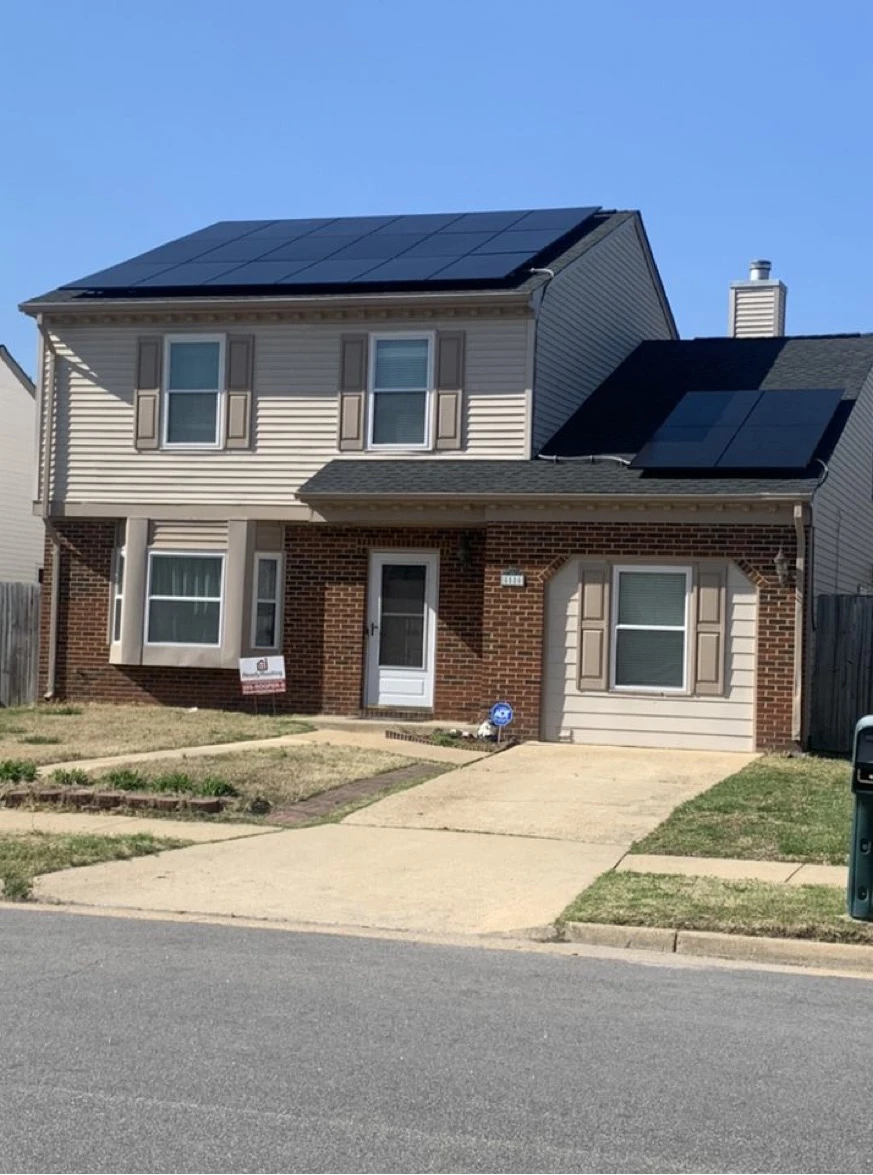

As the demand for clean and sustainable energy sources grows, Virginia is at the forefront of the solar energy revolution. The state's commitment to reducing carbon emissions and promoting renewable energy has made it an attractive destination for solar energy investments. This article provides an in-depth look at solar panel installation in Virginia, as well as the state's solar stimulus programs designed to encourage the adoption of solar energy.
The Rise of Solar Energy in Virginia
Virginia has seen a significant increase in solar energy adoption over the past decade. This growth is driven by a combination of favorable state policies, financial incentives, and increasing awareness of the environmental and economic benefits of solar energy. Solar panel installation in Virginia has become a popular choice for homeowners, businesses, and public institutions looking to reduce their carbon footprint and energy costs.
Benefits of Solar Panel Installation in Virginia
Environmental Impact
One of the primary motivations for solar panel installation in Virginia is its positive environmental impact. Solar energy is a clean, renewable source of power that generates electricity without emitting greenhouse gases or other pollutants. By reducing reliance on fossil fuels, solar energy helps mitigate climate change and promotes a healthier environment.
Economic Savings
Installing solar panels can lead to significant economic savings. Once installed, solar panels provide free electricity for decades, drastically reducing utility bills. The savings can be substantial, especially in a state like Virginia, where sunlight is abundant throughout the year. Additionally, many homeowners can take advantage of net metering, which allows them to sell excess electricity back to the grid, further offsetting costs.
Energy Independence
Solar panel installation provides greater energy independence. By generating their own electricity, homeowners and businesses become less reliant on external power sources and are better protected against rising energy prices and power outages. This self-sufficiency is particularly valuable in areas prone to natural disasters or grid instability.
Steps for Solar Panel Installation in Virginia
Site Assessment
The first step in solar panel installation in Virginia is conducting a site assessment. This involves evaluating the location to determine its suitability for solar energy. Factors such as roof orientation, shading, and structural integrity are considered. Professional installers use advanced tools and techniques to assess the site's solar potential and design an optimal system.
System Design and Permitting
Once the site assessment is complete, the next step is system design. This includes selecting the appropriate solar panels, inverters, and mounting systems. The design process also involves obtaining necessary permits and approvals from local authorities. In Virginia, the permitting process can vary by locality, but professional installers are experienced in navigating these requirements to ensure compliance.
Installation and Connection
The actual installation of solar panels typically takes a few days, depending on the system's size and complexity. Installers mount the panels, connect the inverters, and integrate the system with the existing electrical infrastructure. After installation, the system undergoes inspection and testing to ensure it operates efficiently and safely. Once approved, the system is connected to the grid, and the homeowner can start generating and using solar energy.
Solar Stimulus Programs in Virginia
To encourage the adoption of solar energy, Virginia offers several solar stimulus programs. These initiatives provide financial incentives and support to reduce the upfront costs of solar panel installation and make it more accessible to a wider range of residents and businesses.
Solar Renewable Energy Credits (SRECs)
Solar Renewable Energy Credits (SRECs) are a key component of Virginia's solar stimulus program. SRECs are tradable credits that represent the environmental benefits of generating solar energy. For every megawatt-hour (MWh) of electricity generated by a solar system, the owner earns one SREC. These credits can be sold to utility companies or other buyers, providing an additional revenue stream for solar system owners.
Federal Investment Tax Credit (ITC)
The Federal Investment Tax Credit (ITC) is a significant financial incentive for solar panel installation in Virginia. The ITC allows homeowners and businesses to deduct a percentage of the cost of installing a solar energy system from their federal taxes. As of 2024, the ITC offers a 26% tax credit, making it one of the most substantial incentives available for solar energy adoption.
Virginia Solar Rebate Programs
Virginia offers state-specific rebate programs to further reduce the cost of solar panel installation. These programs provide direct financial incentives to homeowners and businesses that install solar energy systems. The rebates vary by locality and are often administered by local utilities or state agencies. These programs can significantly lower the initial investment required for solar energy projects.
Net Metering
Net metering is another crucial component of Virginia's solar stimulus program. Net metering allows solar system owners to receive credit for the excess electricity they generate and feed back into the grid. This credit can be used to offset future electricity bills, effectively reducing the overall cost of energy consumption. Virginia's net metering policies are designed to encourage the adoption of solar energy by making it more economically viable.
Challenges and Considerations
Initial Investment
One of the primary challenges of solar panel installation in Virginia is the initial investment. While the long-term savings are substantial, the upfront cost can be a barrier for many homeowners and businesses. However, the availability of financing options, such as solar loans and leases, can make solar energy more accessible. Additionally, the various solar stimulus programs significantly reduce the financial burden.
Regulatory and Policy Landscape
The regulatory and policy landscape for solar energy in Virginia is continually evolving. Changes in state and federal policies can impact the financial incentives and feasibility of solar projects. Staying informed about policy developments and working with experienced installers who understand the local regulations is essential for navigating this landscape effectively.
Technical and Logistical Challenges
Technical and logistical challenges, such as roof suitability, shading, and system maintenance, can also affect the feasibility of solar panel installation. Conducting a thorough site assessment and working with reputable installers can help address these challenges and ensure the successful implementation of a solar energy system.
Conclusion
Solar panel installation in Virginia represents a significant step towards a sustainable and economically viable energy future. With the state's robust solar stimulus programs and favorable policies, the adoption of solar energy is becoming increasingly accessible and attractive. By harnessing the power of the sun, Virginians can reduce their environmental impact, achieve substantial cost savings, and gain greater energy independence. As technology continues to advance and the market for solar energy grows, the prospects for solar energy in Virginia look brighter than ever. Whether you're a homeowner, business owner, or policymaker, embracing solar energy is a powerful way to contribute to a cleaner, more sustainable future.



























Sign in to leave a comment.