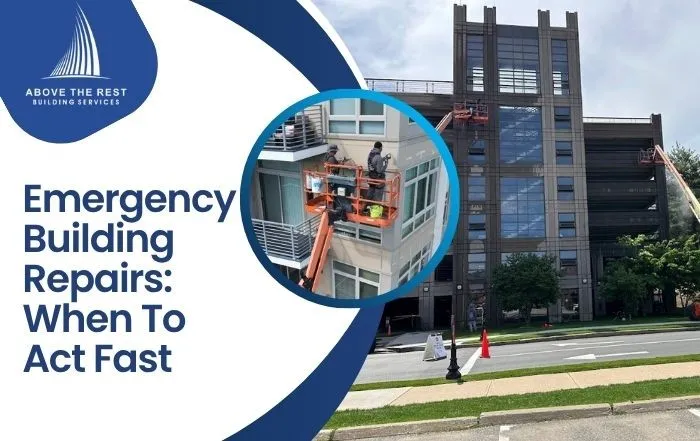


A commercial building problem does not always look like an emergency when it first appears.
A recurring leak after rainfall, a crack that has changed, damaged masonry, or a loose exterior component may seem like another item for the maintenance schedule. But when damage is active or continues to worsen, waiting can allow a localized issue to affect other parts of the property.
For commercial property owners and managers, recognizing when routine maintenance becomes a need for emergency building repairs can make a significant difference in protecting the property and maintaining safe operations.
Read More - https://abovetherestbuildingservices.com/blog/emergency-building-repairs-when-to-act-fast/
When Does a Building Repair Become an Emergency?
Not every building defect requires immediate intervention. Normal wear, minor cosmetic issues, and planned maintenance can often be handled through scheduled repairs.
Urgent attention becomes more important when a condition involves:
- Active water intrusion
- Loose or unstable façade materials
- Rapidly changing cracks
- Significant storm damage
- Roof failures
- Deteriorating masonry
- Unsafe exterior access areas
- Visible movement in exterior building components
These conditions may indicate that the building is experiencing an active problem rather than ordinary deterioration.
Why Small Problems Can Escalate
Commercial buildings operate as connected systems. A problem in one area can affect surrounding materials when exposure continues.
For example, water entering through a damaged exterior surface can move behind walls or finishes. A roofing failure can introduce moisture into interior areas. Deteriorated masonry can become more vulnerable to additional weather exposure.
This is why commercial building emergency repairs are often focused on controlling the source of damage before it spreads.
The goal is not to assume that every defect will become a major failure. The goal is to identify situations where delaying assessment could increase the scope of the repair.
Water Intrusion Should Not Be Ignored
Water is one of the most important warning signs property managers should monitor.
A ceiling stain, damp wall, moisture around windows, or recurring leak may indicate an issue with roofing, flashing, drainage, façade joints, windows, or waterproofing.
The location where water appears inside the building may not be where it entered.
When moisture continues to penetrate the building envelope, commercial waterproofing repair may be necessary to address the underlying source rather than repeatedly treating visible interior damage.
Façade and Masonry Problems Require Attention
Exterior walls are continuously exposed to wind, precipitation, temperature changes, and seasonal weather.
Loose façade materials, deteriorating joints, displaced masonry, damaged brick, and visible movement should be evaluated when deterioration appears to be progressing.
Depending on the condition, emergency façade repairs may be required to stabilize an affected area and reduce immediate risks.
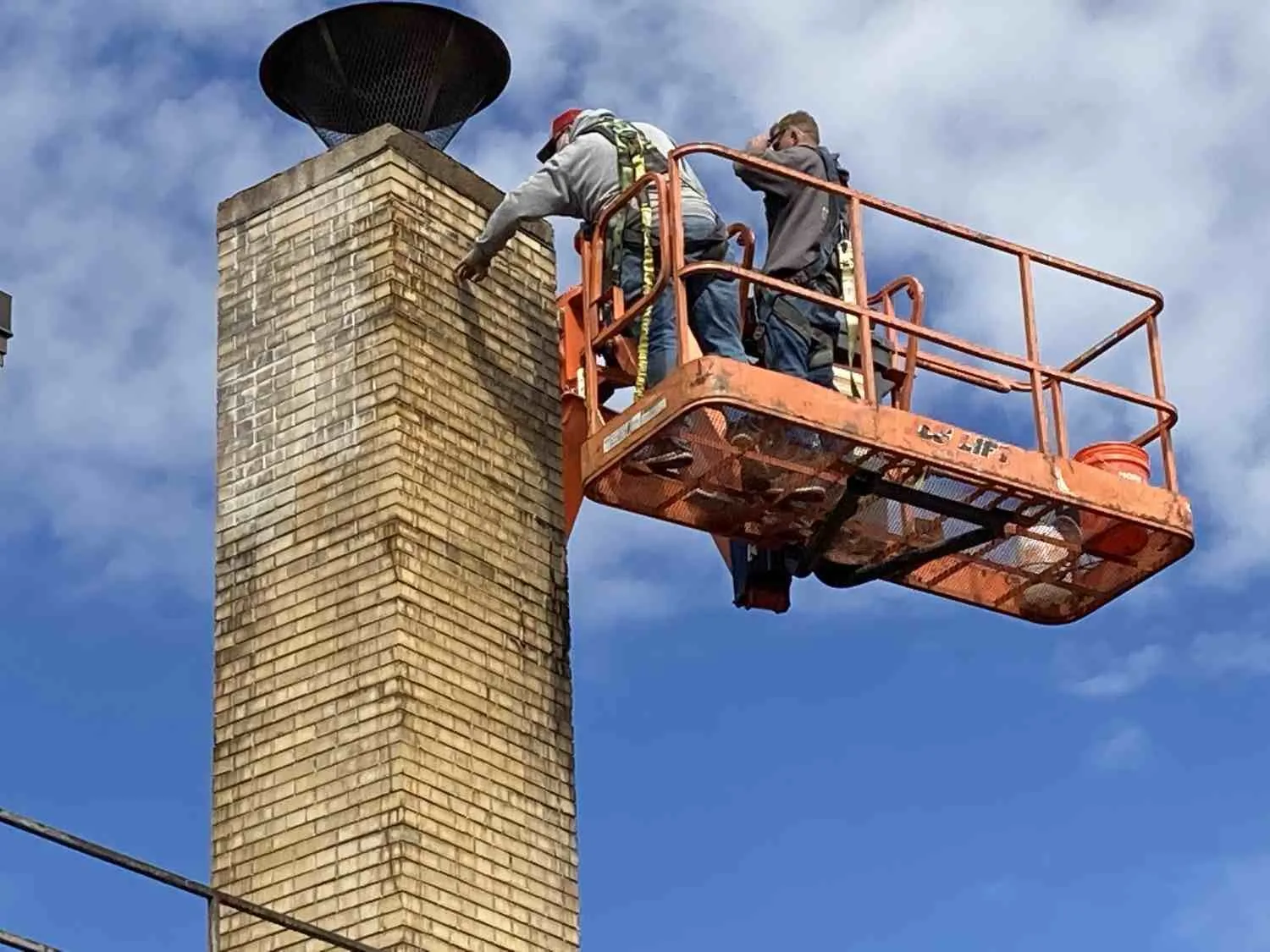
Similarly, emergency masonry repair may be appropriate when loose bricks, deteriorated mortar, cracking, or displacement creates a potential safety or property concern.
Roof Damage Can Become an Emergency
Roofing problems often become more noticeable following heavy rain, snow, wind, or severe storms.
Property managers should pay attention to:
- New or recurring leaks
- Interior water stains
- Damaged roofing materials
- Exposed areas
- Ponding water
- Water entering after storms
Prompt commercial roof leak repair can address an active source of water entry before additional areas become affected.
Why New England Weather Matters
Commercial properties throughout Boston, Cambridge, Massachusetts, Maine, New Hampshire, Rhode Island, Vermont, and Connecticut experience seasonal weather conditions that can place stress on exterior building systems.
Moisture can enter vulnerable areas during heavy precipitation. Freezing temperatures can affect water that has entered cracks and joints. Repeated freeze-thaw cycles can contribute to deterioration in masonry and façade systems.
Severe storms can also expose weaknesses that may not have been obvious during normal conditions.
For property managers, inspecting a building after significant weather events can provide an opportunity to identify developing problems before they become more difficult to control.
What Should Property Managers Do First?
When a potentially serious building condition is identified, the first priority should be establishing control.
A practical response may include:
- Identifying the affected area.
- Restricting access where a safety concern exists.
- Documenting visible damage.
- Protecting interior areas from additional exposure where possible.
- Arranging professional assessment.
- Determining whether stabilization or permanent repair is required.
The appropriate response depends on the source and severity of the damage.
Emergency exterior building repairs may involve façade stabilization, masonry work, roofing, waterproofing, or storm-related repairs.
Emergency Repairs Do Not Always Mean Major Restoration
An emergency condition does not automatically mean that an entire building requires restoration.
In some situations, the immediate requirement may be to stabilize an affected component, stop active water entry, secure an exterior area, or protect the building until permanent repairs can be completed.
Early assessment provides property managers with better information about the actual scope of the problem.
That can make it easier to distinguish between a localized repair and a condition involving multiple building systems.
What Can Timely Response Prevent?
Responding to active damage sooner may reduce the potential for:
- Additional moisture penetration
- Further material deterioration
- Expanded façade damage
- Tenant disruption
- Restricted access
- Repeated emergency maintenance
- Larger restoration requirements
The objective is not to treat every maintenance concern as an emergency. It is to recognize when continued exposure creates a greater risk.
Frequently Asked Questions
What qualifies as an emergency building repair?
Active water intrusion, unstable exterior materials, significant storm damage, rapidly worsening deterioration, and conditions that may affect occupant or property safety generally warrant prompt professional assessment.
Can a small commercial building leak become a major problem?
Yes. Water can travel through concealed areas and affect surrounding materials. Recurring water entry should therefore be investigated at its source.
Should façade damage be inspected immediately?
Loose, displaced, or visibly deteriorating façade materials should receive prompt professional assessment, particularly when located above entrances, walkways, or occupied areas.
How quickly should storm-related damage be inspected?
As soon as reasonably possible, especially when the damage involves active leaks, exposed materials, roofing failures, or potentially unstable exterior components.
Can emergency repairs be completed in occupied commercial buildings?
In many situations, yes. Controlled access, phased scheduling, and appropriate safety procedures can reduce disruption to occupants.
Recognize the Warning Signs Early
A commercial building emergency often begins with something that appears manageable.
A recurring leak, widening crack, deteriorating masonry joint, damaged roof, or loose façade component may be an early indication that a building system requires attention.
For commercial property owners and managers looking for emergency building repairs in New England, early assessment can provide a better opportunity to control the condition before it develops into a larger operational, safety, or restoration concern.
Above The Rest Building Services provides commercial exterior repair services including façade repairs, masonry stabilization, roofing, waterproofing, storm-related repairs, and high-access exterior work across New England.























Sign in to leave a comment.