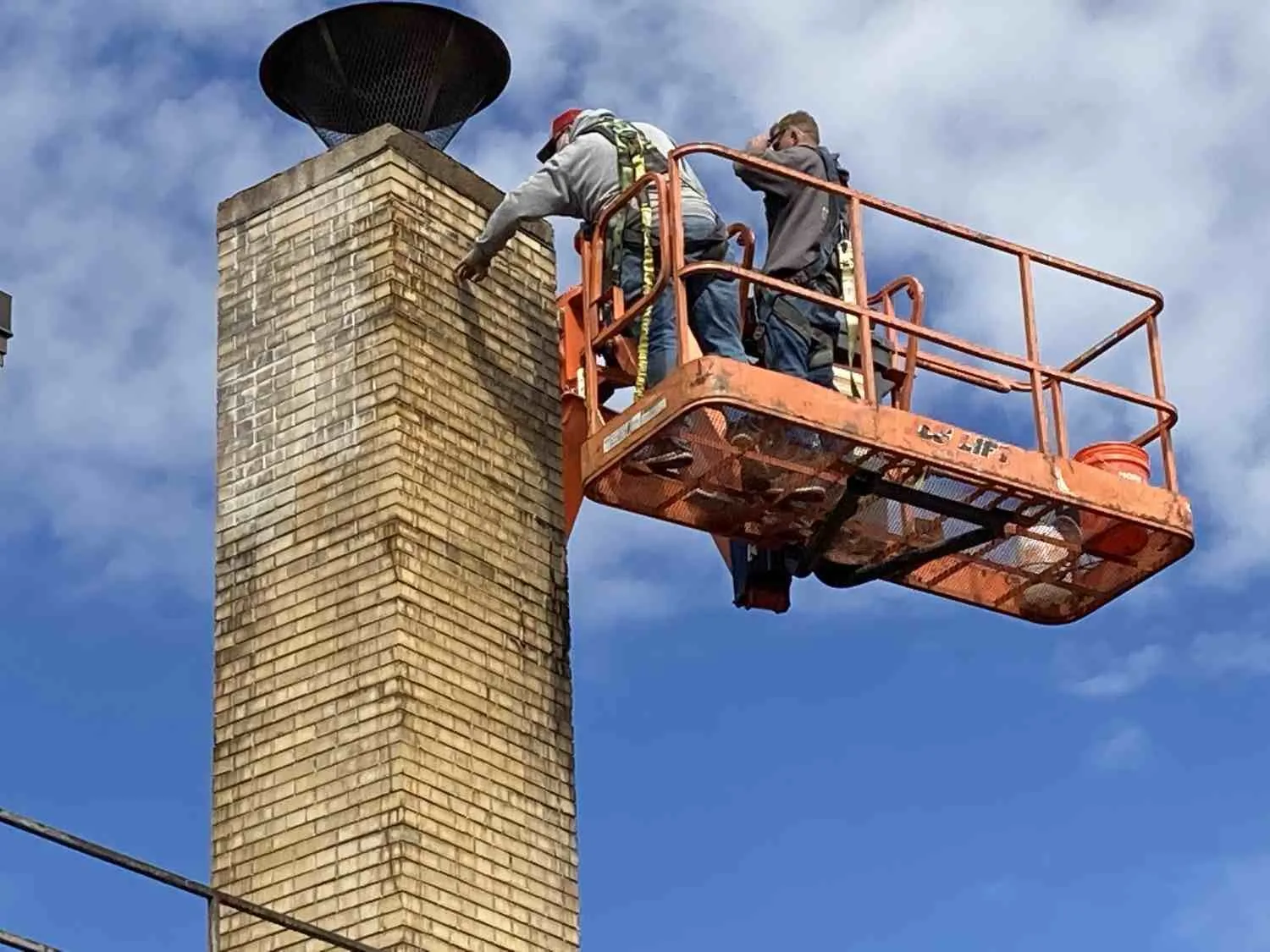


A commercial building's facade does more than create a first impression. It protects the structure from weather, supports the building envelope, and can affect the safety of people around the property. Cracked masonry, deteriorating materials, loose components, water intrusion, and other facade problems can become increasingly expensive when they are not identified early.
For property owners and managers in Boston, facade inspections can also be part of an important regulatory responsibility. Boston Municipal Code Section 9-9.12 requires periodic inspection of certain building exterior walls and appurtenances. For covered occupied structures, inspections are generally required at least once every five years, while certain unoccupied structures have a more frequent inspection requirement.
Read More - https://abovetherestbuildingservices.com/blog/the-importance-of-facade-inspections/
Why Are Facade Inspections Important?
A facade inspection provides an opportunity to identify visible deterioration and potentially unsafe conditions before they become larger building maintenance problems.
Exterior walls are continuously exposed to weather, temperature changes, moisture, wind, and other environmental conditions. Over time, these factors can contribute to cracking, separation, deterioration, movement, or other changes in facade materials.
A professional inspection can document these conditions and provide property managers with information they can use when planning repairs and maintenance.
The value of an inspection therefore extends beyond appearance. It can provide information about the condition of the building exterior and support better maintenance planning.
Safety Should Come First
Loose masonry, deteriorated facade materials, damaged exterior components, and other unsafe conditions can create risks for people and property below.
Identifying these conditions early gives building owners an opportunity to address them before they become more serious. Boston's ordinance specifically requires reporting and prompt action when an unsafe condition is identified.
A facade inspection should therefore be treated as an important part of commercial building safety rather than simply a routine administrative requirement.
Water Intrusion Can Create Hidden Problems
Water is another reason facade inspections matter.
Cracks, failed joints, deteriorated materials, damaged windows, and other openings can allow water to enter the building envelope. Continued moisture exposure can contribute to interior damage and deterioration of exterior materials.
Boston's facade inspection requirements include consideration of the apparent water-tightness of exterior surfaces.
Identifying potential water-related concerns early can give property managers an opportunity to investigate and address the source before more extensive damage develops.
Facade Inspections Support Maintenance Budgeting
Unexpected building repairs can create significant challenges for property managers. When facade problems remain unidentified, repairs may become urgent and more difficult to schedule.
A detailed inspection report can provide information about observed conditions and recommended actions. This gives property owners a stronger basis for prioritizing maintenance work and considering future capital expenses.
Instead of reacting only when a visible problem becomes serious, property managers can use inspection findings to develop a more proactive maintenance plan.
Technology Can Improve Inspection Coverage
Modern inspection technology can provide useful information when evaluating difficult-to-access facade areas.
Boston's current ordinance allows registered professionals to use digital imaging, video, and drone technology when appropriate as part of a comprehensive inspection. However, these tools do not eliminate the requirement for a representative physical, hands-on inspection.
Video cameras and drones can provide valuable visual documentation of elevated or difficult-to-reach areas. When combined with professional evaluation and required physical inspection methods, technology can contribute to a more complete understanding of facade conditions.
Why Professional Expertise Matters
Facade inspection is not simply a matter of photographing a building exterior.
A qualified professional must evaluate observed conditions and determine whether deterioration, movement, cracking, separation, or other issues require further attention. Under Boston's ordinance, the required report must be prepared and signed or sealed by a registered professional.
Professional expertise is particularly important when determining whether an observed condition is considered safe, safe with a repair and maintenance program, or unsafe.
What Does a Facade Inspection Report Provide?
A professional facade inspection report documents the condition of the exterior walls and relevant appurtenances.
Depending on the inspection and applicable requirements, documentation can include the building description, inspection procedures, locations examined, photographs, observed deterioration, movement, water-tightness concerns, and other relevant conditions.
For property managers, this documentation can provide a useful reference when discussing repairs, budgeting, maintenance schedules, and regulatory requirements.
Frequently Asked Questions
How often does Boston require facade inspections?
For covered occupied structures, Boston Municipal Code Section 9-9.12 generally requires exterior wall inspections at least once every five years. Certain covered unoccupied structures have an annual inspection requirement. Building owners should confirm how the ordinance applies to their specific property.
What does a commercial facade inspection look for?
A facade inspection can evaluate conditions such as significant deterioration, cracking, movement, separation, structural concerns, water-tightness, and issues involving exterior wall components and appurtenances.
Can drones be used during a facade inspection?
Yes. Boston's ordinance permits digital imaging, video, and drone technology when appropriate. However, these technologies supplement rather than replace the required representative physical, hands-on inspection.
Why are facade inspections important for property managers?
They provide information about exterior building conditions, support safety and maintenance planning, and can identify issues that may require repair before they become more serious.
What happens when an unsafe facade condition is identified?
The applicable Boston requirements call for prompt notification and corrective action when an unsafe condition is identified. The registered professional and building owner must follow the required reporting and repair procedures.
Protect Your Building With Proactive Facade Maintenance
Facade inspections provide commercial property owners with valuable information about the condition of their building exterior. They can identify deterioration, support maintenance planning, address potential safety concerns, and provide documentation for applicable regulatory requirements.
For Boston property owners and managers, understanding the requirements of Section 9-9.12 is an important part of managing covered commercial buildings.
Above the Rest Building Services provides facade inspection, maintenance, and repair solutions supported by professional expertise and inspection technology. Property managers can discuss their building's inspection requirements, access challenges, reporting needs, and potential repair concerns with the team.


















Sign in to leave a comment.