
Teachers have a significant role in maintaining a classroom filled with energetic students eager to learn. Needless to say, this role extends beyond their academic responsibilities.
From minor scrapes and bumps to more serious medical emergencies, teachers are often the first responders to student needs.
Therefore, let's have a closer look into the importance of Emergency First Aid training for teachers.
Why Teachers Need Emergency First Aid Training
With a diverse group of students comes a variety of potential health concerns. From allergic reactions and asthma attacks to fainting spells and sudden injuries, teachers are often the first point of contact for students experiencing medical emergencies.
Equipping yourself with Emergency First Aid knowledge empowers you to take decisive action in these critical moments.
A 2019 Canadian Health Survey on Children and Youth noted unintentional injuries are a recurring cause of death and potential loss of childhood and youth years among Canadian minors.
Among the injuries that were reported, head injuries and concussions were the most common in children of all age groups and genders. 76.5% of these injuries required proper medical consultation consequently.
These numbers demonstrate the frequency and severity of injuries among minors, suggesting that a teacher may often find themselves in an emergency involving their students.
Beyond the moral imperative of helping students in need, teachers and principals also have legal and ethical responsibilities in emergencies.
Emergency First Aid training equips you with the knowledge and skills to act confidently and provide basic medical care until professional help arrives, potentially minimizing legal liability and promoting positive student outcomes.
Benefits of Emergency First Aid Training for Teachers
Let's look at some benefits you can unlock with occupational first-aid training levels 1, 2, and 3:
Confidence Under Pressure
Imagine a student experiencing a sudden asthma attack. Emergency First Aid training provides you with the knowledge and skills to assess the situation calmly, administer basic medication (if available), and ensure the student receives proper medical attention. This newfound confidence allows you to take charge and act decisively in stressful situations.
Swift and Effective Intervention
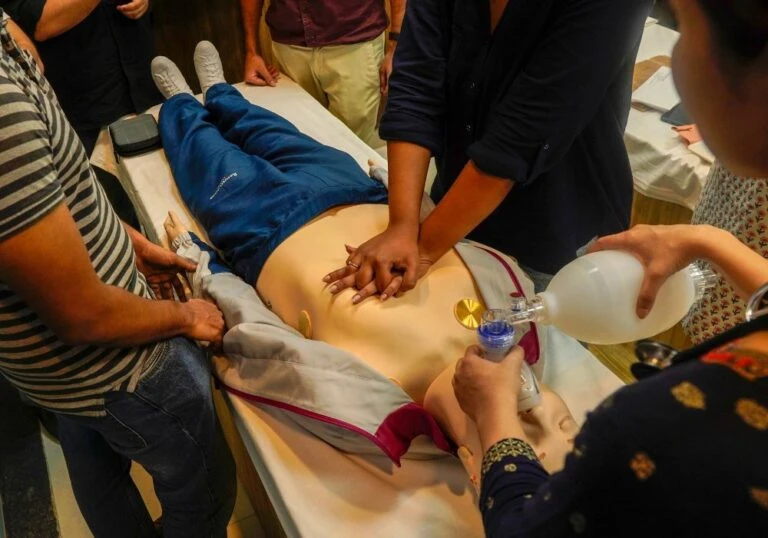
Seconds matter in an emergency. First Aid training equips you to respond quickly and effectively to a wide range of medical emergencies. From performing CPR on an unconscious student to controlling bleeding from a playground injury, you'll be prepared to take crucial steps until professional help arrives.
Creating a Safe Environment for Learning
Knowing you have the skills to handle medical emergencies fosters a sense of security and well-being in your classroom. Students feel confident knowing they can rely on you if an unexpected situation arises. This creates a more positive and focused learning environment for everyone.
Proactive Approach to Safety
First Aid training goes beyond simply reacting to emergencies. The courses also cover hazard identification and prevention strategies. You'll learn to recognize potential hazards in your classroom or other school premises, like loose objects or allergens, and implement preventative measures to minimize the risk of accidents and injuries.
By investing in Emergency First Aid training, you're not just acquiring valuable skills; you're making a proactive commitment to creating a safe and secure learning environment for your students. The benefits extend beyond immediate emergencies, fostering a culture of safety and well-being in your classroom.
The Occupational First Aid Level 1 (OFA 1) Certification
OFA 1 equips participants with fundamental first aid skills, including CPR, wound management, and basic life support techniques.
Topics covered may include assessing and responding to medical emergencies, bandaging and splinting, and managing shock.
Relevance to basic medical emergencies in the classroom:
OFA 1 is tailored to address common medical incidents that may occur in educational settings, such as minor injuries, sudden illnesses, or allergic reactions.Teachers will learn essential skills to provide immediate assistance to students before professional medical help arrives, potentially saving lives in critical situations.The Occupational First Aid Level 2 (OFA 2) Certification
Building upon OFA 1, OFA 2 expands participants' knowledge and capabilities in emergency medical response.
Advanced topics may include advanced airway management, wound care, and administering medication in emergencies.
Handling more severe medical incidents such as:
OFA 2 prepares teachers to manage a wider range of medical emergencies, from severe injuries to life-threatening conditions like cardiac arrest or severe allergic reactions.By mastering more advanced techniques, educators can confidently address critical situations and provide effective assistance until professional medical help arrives.The Occupational First Aid Level 3 (OFA 3) Certification
OFA 3 provides in-depth training for handling complex medical emergencies, including advanced trauma care, spinal immobilization, and managing multiple casualties.
Participants gain a deeper understanding of medical emergencies and develop advanced skills to respond effectively in high-stress situations.
Benefits of being OFA level 3-qualified include:
OFA Level 3ensures that teachers stay up-to-date with the latest best practices and protocols in emergency medical care.OFA Level 3 Pro Renewalenhances teachers' proficiency, ensuring they maintain their ability to respond effectively to emergencies over time.Emergency First Aid training is an investment in the well-being of your students and a valuable asset for any teacher.
The ability to respond calmly and effectively in an emergency can not only minimize the severity of an incident but also potentially save a life.
Are you ready to take the next step and equip yourself with lifesaving skills?
Reach out to Metro Safety Training, as they understand the unique needs of educators in British Columbia, Canada.
Their Emergency Occupational First Aid training programs are specifically designed for teachers, offering teachers the confidence and competence to handle a wide range of medical emergencies that may occur in the classroom or school environment.
Contact them now and elevate your credibility and reliability among parents and students!
Meet the Author
As a dedicated educator with over 15 years of experience, Isabelle J. Thomas understands the immense responsibility teachers hold for student safety. Their goal is to raise awareness among teachers and school administrators in British Columbia about the importance of these lifesaving skills. Isabelle believes that by equipping educators with the knowledge and confidence to respond effectively in emergencies, we can create safer learning environments for all students and foster a culture of well-being within our schools.








Sign in to leave a comment.