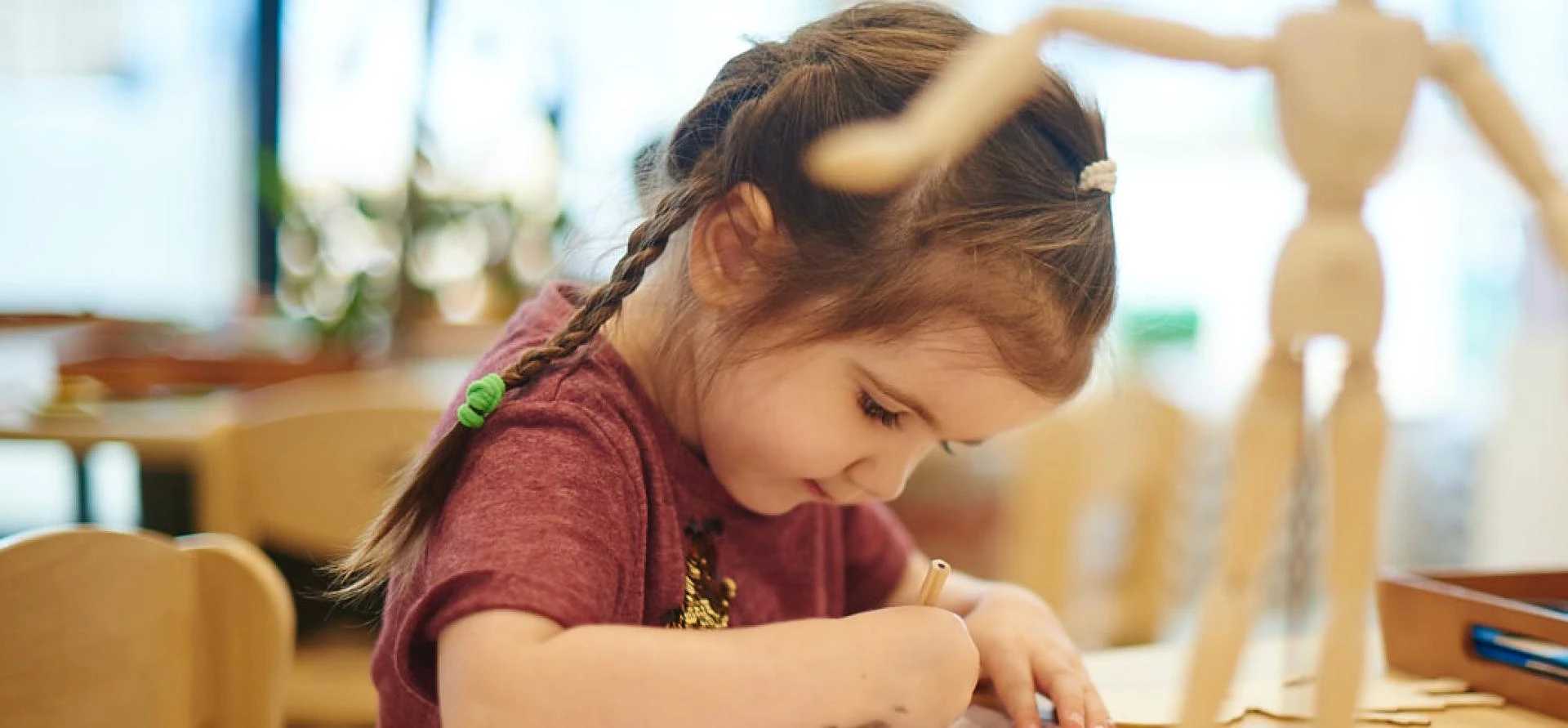

Choosing the right preschool Pymble facility is one of the most significant decisions parents can make for their child’s early education. The right environment fosters curiosity, confidence, and a lifelong love of learning. A well-structured preschool provides children with opportunities to explore, interact, and develop essential social and cognitive skills. Understanding what makes a preschool truly exceptional helps ensure your child begins their educational journey in a supportive, safe, and enriching space.
Safety and Cleanliness Standards
A clean and safe environment is the foundation of any quality preschool. Parents should look for facilities that maintain high hygiene standards, use child-safe materials, and implement clear emergency protocols. Classrooms should be well-ventilated, sanitised regularly, and equipped with first-aid resources. Additionally, the preschool should have proper security measures, including secure entry points, visitor logs, and well-trained staff to handle emergencies. Safety not only protects children physically but also creates a sense of security that allows them to learn freely.
Qualified and Caring Educators
Teachers are the heart of every preschool program. A strong facility employs qualified educators who understand child development and know how to nurture creativity, curiosity, and emotional growth. Observe how teachers interact with children - they should be patient, engaging, and encouraging. The teacher-to-student ratio is another crucial aspect; smaller class sizes allow for personalised attention and stronger relationships. A caring and consistent teacher creates an environment where children feel seen, heard, and valued.
Curriculum and Learning Approach
Preschools use different educational philosophies, such as Montessori, Reggio Emilia, or play-based learning. Parents should understand these approaches and select one that aligns with their child’s personality and learning style. A well-balanced curriculum integrates play, creativity, and academics to develop both cognitive and social skills. Look for programs that encourage exploration, problem-solving, and hands-on activities rather than rote memorisation. The best preschools design lessons that make learning joyful and meaningful, preparing children for future schooling success.
Classroom Design and Learning Materials
An inviting classroom layout stimulates curiosity and active participation. Preschool facilities should have bright, well-organised rooms with age-appropriate furniture and accessible learning materials. Spaces should include designated areas for reading, art, music, and play. Educational toys, puzzles, and creative tools help children build fine motor skills and cognitive understanding. Outdoor play areas are equally important, offering opportunities for physical activity, teamwork, and exploration. The right physical environment supports the natural rhythm of learning through play.
Communication and Parental Involvement
Strong communication between teachers and parents is essential for a child’s development. A good preschool maintains transparency about a child’s progress, daily routines, and activities. Regular updates, meetings, and open-door policies foster collaboration between parents and educators. Facilities that encourage family participation - through events, volunteering, or classroom visits - create a strong sense of community. This partnership ensures consistency between home and school, enhancing the child’s learning experience and emotional comfort.
Emotional and Social Development Opportunities
Beyond academics, a preschool should nurture emotional intelligence and social awareness. Activities that promote sharing, cooperation, empathy, and self-expression help children adapt to group settings. Look for schools that prioritise emotional learning alongside academic preparation. Programs that teach conflict resolution and communication build resilience and confidence - skills that benefit children throughout life.
Accreditation and Reputation
Finally, check for accreditation from educational authorities and positive community reviews. Accreditation ensures that the preschool meets professional standards in safety, curriculum, and teacher qualifications. Visiting the school, observing classes, and speaking with other parents can provide valuable insights into its culture and quality.
Final Thoughts
Choosing the right preschool Pymble facility is more than selecting a place for early education - it’s about finding a nurturing environment that shapes a child’s growth, values, and confidence. From qualified teachers to safe, stimulating spaces, every detail matters in laying the foundation for lifelong learning.


























Sign in to leave a comment.