

In a commercial kitchen, consistency, efficiency and food safety all depend on accurate measurements. Whether you operate a restaurant, café, bakery, catering business, hotel or food production facility, even small variations in ingredient quantities can affect the final product.
A digital kitchen scale provides a simple way to measure ingredients accurately and consistently. Unlike measuring cups or estimating by eye, digital scales provide precise weight readings that can help commercial kitchens standardise recipes, control portions, reduce food waste and manage costs.
For businesses preparing food in high volumes, a reliable commercial kitchen scale is not just another piece of equipment. It can become an important part of everyday food preparation and quality control.
What Is a Digital Kitchen Scale?
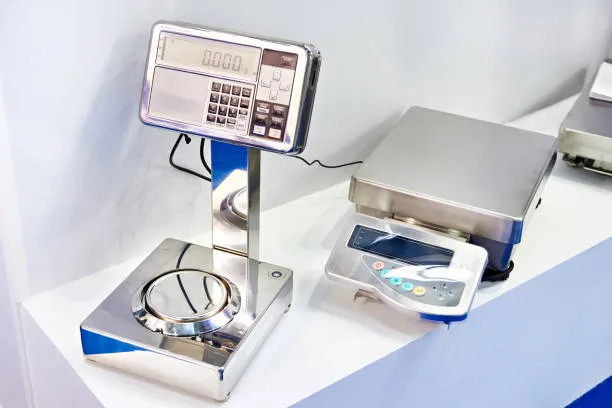
A digital kitchen scale is an electronic weighing device used to measure the weight of ingredients, food products and portions. The weight is displayed on a digital screen, making measurements quick and easy to read.
Commercial models are generally designed for frequent use and may offer features such as:
- High weighing capacity
- Accurate readability
- Tare function
- Multiple weighing units
- Stainless steel platforms
- Easy-to-clean surfaces
- Overload protection
- Battery or mains operation
- Waterproof or washdown-resistant construction on selected models
The right scale depends on the kitchen's workload, ingredients, weighing requirements and operating environment.
1. Improve Recipe Consistency
One of the biggest benefits of using a digital food scale is recipe consistency.
In a busy commercial kitchen, several employees may prepare the same dish throughout the day. If ingredients are measured using handfuls, scoops or visual estimates, the quantities can vary between staff members.
Weighing ingredients provides a repeatable measurement.
For example, a recipe may require:
- 500 g of flour
- 250 g of sugar
- 100 g of butter
- 10 g of salt
Using a digital scale allows each employee to follow the same quantities. This helps businesses produce dishes and baked goods with more consistent taste, texture and appearance.
2. Control Portion Sizes
Portion control is another important reason to use a commercial food scale.
Serving portions that are slightly larger than intended may seem insignificant for one customer. However, across hundreds of meals, small differences can increase ingredient consumption and food costs.
A digital scale can help kitchen staff portion ingredients more consistently for:
- Restaurant meals
- Meat and seafood
- Bakery products
- Prepared meals
- Catering trays
- Takeaway food
- Dessert portions
Consistent portions can also help create a more predictable customer experience.
3. Reduce Food Waste
Food waste can affect both profitability and sustainability.
Without accurate measurements, employees may prepare more food than required or use excessive amounts of expensive ingredients. A digital scale helps staff follow recipes and portion guidelines more accurately.
For example, weighing ingredients before preparation can make it easier to calculate the quantities required for a particular number of servings.
Reducing unnecessary ingredient usage can help commercial kitchens make better use of their stock while controlling operating costs.
4. Improve Food Cost Control
Ingredient costs are a major consideration for commercial kitchens. Meat, seafood, dairy products, specialty ingredients and other food items can represent a significant portion of operating expenses.
Accurate weighing helps businesses determine how much of each ingredient is being used per dish.
This can support more reliable food-cost calculations.
For example, if a restaurant knows exactly how many grams of a particular ingredient are used in each serving, it becomes easier to estimate the ingredient cost of a menu item and monitor changes over time.
A digital scale therefore supports not only food preparation but also broader commercial kitchen cost control.
5. Essential for Baking
Baking is particularly dependent on accurate measurements.
Small changes in ingredient quantities can affect dough consistency, moisture levels, rise and texture. Measuring flour or other ingredients by volume can produce variations because ingredients can be packed or settled differently.
Using a digital baking scale allows ingredients to be measured by weight.
This is especially useful for:
- Bread
- Cakes
- Pastries
- Biscuits
- Pizza dough
- Desserts
- Chocolate products
Professional bakeries can use scales to repeat recipes accurately across multiple batches.
6. Save Time During Food Preparation
A digital scale can also make food preparation more efficient.
With a tare function, staff can place a bowl or container on the platform, reset the display to zero and add ingredients directly into it. The scale measures each ingredient without requiring separate measuring containers.
For example:
- Place the mixing bowl on the scale.
- Press tare.
- Add flour to the required weight.
- Press tare again.
- Add sugar.
- Repeat for the remaining ingredients.
This approach can reduce the number of utensils required and simplify the preparation process.
7. Support Better Inventory Management
Accurate weighing can help kitchens monitor ingredient usage and stock levels.
Instead of relying entirely on visual estimates, staff can weigh certain ingredients when receiving, portioning or preparing them. This can provide more consistent information about how much stock is being used.
For larger commercial kitchens, accurate weight data can contribute to better purchasing and inventory decisions.
If an ingredient is consistently being used faster than expected, the business can investigate whether the cause is increased demand, portion sizes, waste or preparation practices.
8. Improve Hygiene and Food Safety
Commercial kitchens need equipment that can be cleaned effectively and maintained in a hygienic condition.
When choosing a commercial digital scale, consider models with surfaces that are easy to clean. Stainless steel weighing platforms can be particularly practical in food preparation environments.
Depending on the application, some kitchens may benefit from scales designed to withstand exposure to water or frequent cleaning.
The scale should always be cleaned and maintained according to the manufacturer's instructions and the kitchen's food safety procedures.
9. Choose the Right Capacity and Accuracy
Not every commercial kitchen needs the same type of digital scale.
A small café preparing individual portions may need a compact bench scale, while a large food production facility may require a higher-capacity industrial weighing solution.
When selecting a scale, consider:
Weighing Capacity
Choose a capacity that accommodates the heaviest items you regularly need to weigh. Avoid regularly weighing loads close to or above the scale's maximum capacity.
Readability
Readability determines the increments displayed by the scale. A kitchen preparing small quantities of ingredients may require finer readability than one weighing large batches.
Platform Size
The platform should be large enough to safely hold the bowls, containers or food products being weighed.
Tare Function
A tare function is particularly useful for recipes because ingredients can be weighed directly into a container.
Construction
For busy kitchens, durable construction and easy-to-clean surfaces are important considerations.
10. Consider Your Kitchen's Specific Requirements
Before purchasing a digital kitchen scale, consider how and where it will be used.
Ask:
- What is the maximum weight you need to measure?
- Do you need high-precision measurements?
- Will the scale be used for baking or general food preparation?
- Does it need to withstand regular cleaning?
- Will staff move the scale between workstations?
- Do you need battery operation?
- Does the scale need to connect to other equipment?
- Is the scale being used only for internal food preparation or for trade-related weighing?
The answers can help determine which type of commercial kitchen weighing scale is appropriate.
Frequently Asked Questions
Why do commercial kitchens use digital scales?
Commercial kitchens use digital scales to measure ingredients and portions accurately. They can help improve recipe consistency, control food costs, reduce waste and standardise serving sizes.
Are digital scales better than measuring cups for commercial kitchens?
For many applications, weighing ingredients provides greater consistency than estimating quantities by volume. This is particularly important for baking and recipes that require precise ratios.
What capacity should a commercial kitchen scale have?
The required capacity depends on the ingredients and containers being weighed. Small food portions may require a lower-capacity scale, while bulk preparation may require a higher-capacity commercial model.
Are stainless steel digital scales suitable for commercial kitchens?
Stainless steel platforms are commonly used in food preparation environments because they can be durable and relatively easy to clean. The specific model should still be selected according to the kitchen's cleaning and operating requirements.
Does a commercial kitchen scale need calibration?
Regular calibration or verification may be appropriate depending on the scale, frequency of use and application. Follow the manufacturer's recommendations and any applicable requirements for your use case.
Final Thoughts
A digital scale for commercial kitchens can provide significant benefits beyond simply measuring ingredients. By improving recipe consistency, portion control and ingredient accuracy, it can help kitchens manage food costs, reduce waste and maintain consistent results.
From restaurants and cafés to bakeries, catering companies and food production facilities, the right commercial kitchen scale can become an essential part of daily operations.
When choosing a model, consider capacity, readability, platform size, durability, cleaning requirements and the way the scale will be used. Selecting equipment that matches the kitchen's actual requirements can help create a more accurate, efficient and consistent food preparation process.

























Sign in to leave a comment.