

Toddler socialisation plays a crucial role in early childhood development, shaping the communication, emotional, and interpersonal skills that children will use throughout their lives. A modern daycare in Busby serves as more than just a safe place for children while parents are at work; it also provides structured opportunities for learning and interaction. During the toddler years, children begin developing self-awareness, empathy, cooperation, and the ability to engage with others in meaningful ways. Carefully designed learning programs can support these developmental milestones while creating a positive and nurturing environment.
Group Play
One of the most important programs involves guided group play activities. Play is the primary way toddlers learn about the world around them, and group play encourages interaction with peers in a natural setting. Through shared toys, cooperative games, and simple group challenges, children begin learning how to take turns, share resources, and communicate their needs. These experiences help toddlers understand social expectations while building confidence in their ability to interact with others.
Language and Communication
Language and communication programs are equally essential for successful socialisation. Toddlers are rapidly expanding their vocabulary and learning how to express thoughts and emotions. Activities such as storytelling, singing, conversation circles, and interactive reading sessions encourage verbal development while promoting engagement with peers and caregivers. As communication skills improve, children become better equipped to form friendships, resolve conflicts, and participate in group activities.
Emotional Support
Emotional development programs provide another vital component of toddler socialisation. Young children often experience strong emotions but may not yet have the skills needed to identify or manage them effectively. Structured activities that teach emotional recognition, self-expression, and empathy can help toddlers develop emotional intelligence. By learning to recognise their own feelings and understand the emotions of others, children become more capable of building positive social relationships and responding appropriately in different situations.
Creativity
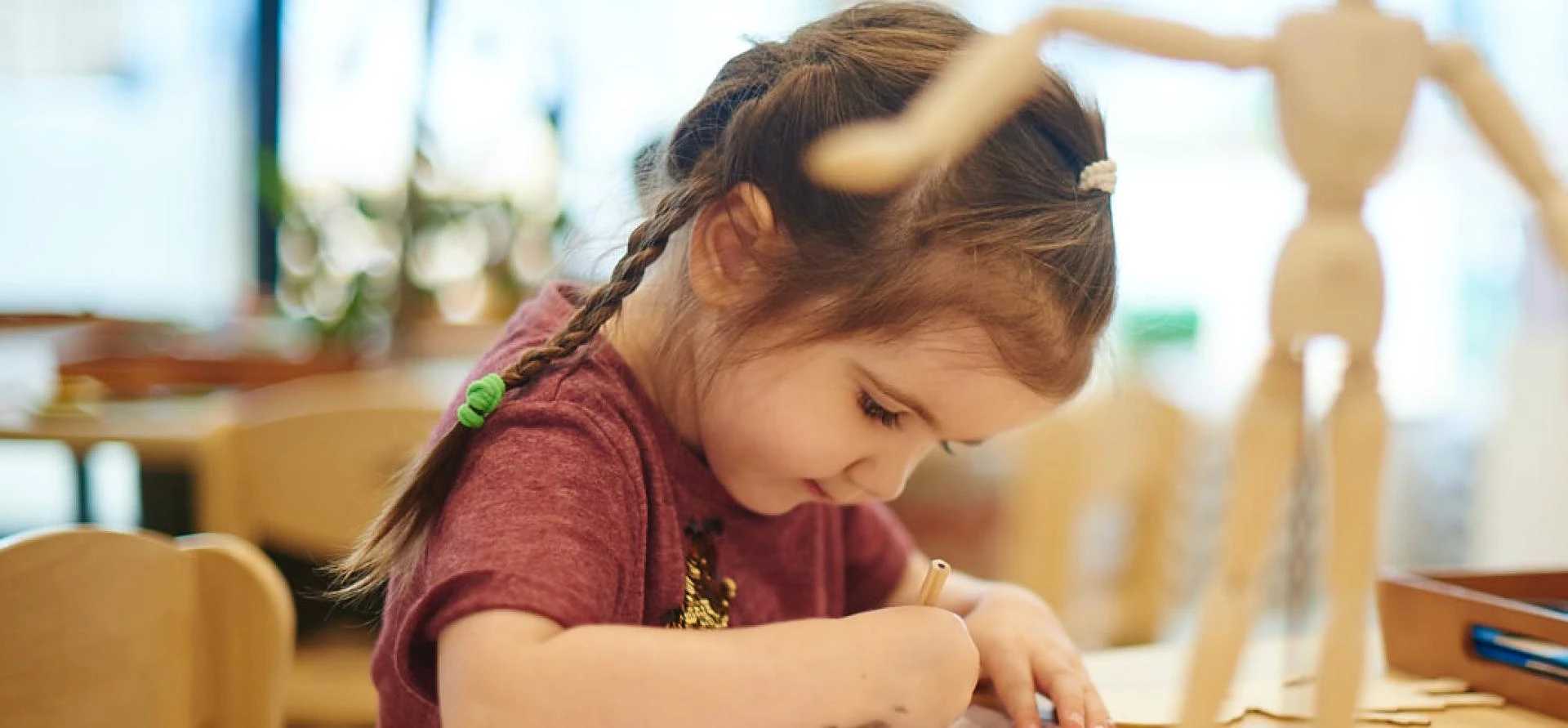
Creative arts programs can also contribute significantly to social growth. Activities involving drawing, painting, music, dance, and crafts encourage self-expression while creating opportunities for collaboration. Working alongside other children on creative projects helps toddlers develop patience, cooperation, and appreciation for different ideas and perspectives. These experiences support social development while allowing children to explore their creativity engagingly and enjoyably.
Teamwork
Another valuable program focuses on cooperative learning experiences. Even at a young age, toddlers can participate in simple tasks that require teamwork and shared problem-solving. Activities such as building block structures, completing group puzzles, or participating in guided projects encourage children to work toward common goals.
Physical activity programs also play an important role in socialisation. Movement-based activities, including obstacle courses, outdoor play, and age-appropriate sports games, allow children to interact while developing motor skills. Group physical activities encourage communication, cooperation, and respect for rules.
Life Skills and Social Learning
Routine-based social learning is another essential aspect of effective daycare programs. Daily activities such as snack time, clean-up routines, and group transitions provide numerous opportunities for social interaction and skill development. Consistent routines help toddlers feel secure while teaching important concepts such as cooperation, responsibility, and consideration for others.
Summing Up
A modern daycare in Busby should provide a combination of play-based, communication, emotional development, creative, and cooperative learning programs to support toddler socialisation. These experiences help children build confidence, develop healthy relationships, and acquire essential interpersonal skills during a critical stage of development. By offering comprehensive social learning opportunities, daycares can create a strong foundation for future academic, emotional, and social success.




























Sign in to leave a comment.