

Tooth pain can begin suddenly or gradually worsen over time, but one thing is certain—it should never be ignored. A severe toothache often indicates an underlying dental problem that requires prompt attention. Whether the pain is sharp, throbbing, or constant, seeking emergency tooth pain relief can help eliminate discomfort, prevent infection, and protect your smile.
Many dental emergencies become more complicated when treatment is delayed. Understanding the causes of severe tooth pain, recognizing the warning signs, and knowing what to do before seeing a dentist can help you take the right steps toward recovery.
Why Tooth Pain Can Become a Dental Emergency
Your teeth contain nerves, blood vessels, and supporting tissues that can become inflamed or infected. When these structures are damaged, pain is usually the first symptom.
Ignoring severe tooth pain may lead to:
- Worsening infection
- Swelling in the gums or face
- Damage to surrounding teeth
- Difficulty eating or speaking
- Tooth loss
- More complex dental procedures
Prompt emergency tooth pain relief not only eases discomfort but also addresses the cause before it progresses.
Common Reasons for Severe Tooth Pain
Several dental conditions can trigger intense tooth pain.
Untreated Cavities
A cavity that reaches the inner pulp of the tooth can irritate the nerve, causing persistent pain and sensitivity.
Tooth Infection
Bacteria can enter the tooth through decay or cracks, leading to an infection that often causes severe pain, swelling, and pressure.
Fractured Teeth
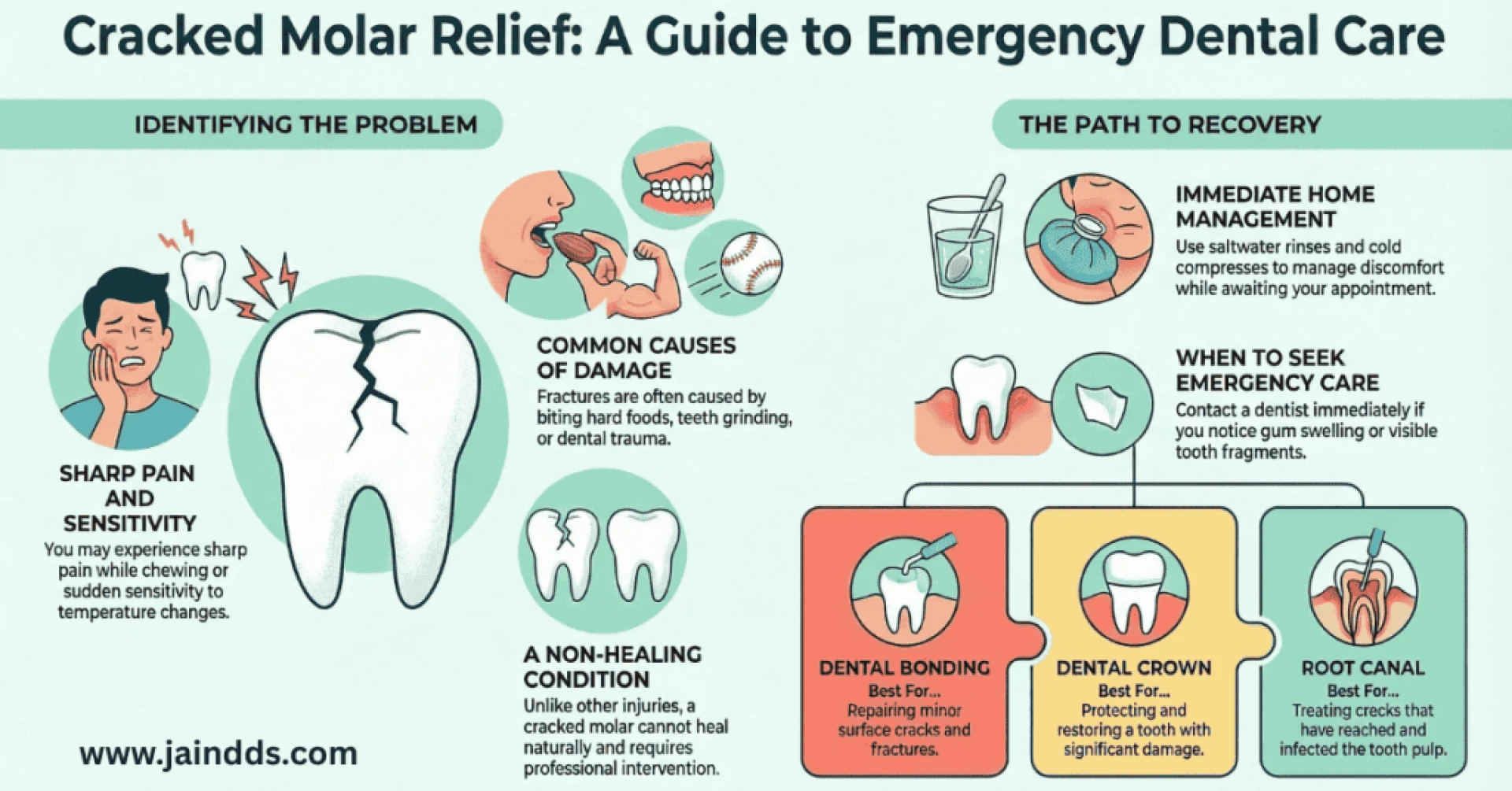
Cracks or chips may expose the sensitive inner layers of the tooth, resulting in discomfort while chewing or drinking hot and cold beverages.
Damaged Fillings or Crowns
Old dental restorations can become loose or break, leaving the tooth unprotected and vulnerable to pain.
Gum Problems
Inflamed or infected gums may create pain around the tooth, especially when brushing, flossing, or chewing.
Wisdom Tooth Complications
Wisdom teeth that are impacted or partially erupted often cause pain, swelling, and irritation that may require urgent dental treatment.
Warning Signs That Require Immediate Dental Care
Some symptoms suggest that a toothache has become a true dental emergency.
Contact a dentist right away if you notice:
- Severe, continuous tooth pain
- Swelling around the jaw or face
- Fever along with tooth discomfort
- Difficulty opening your mouth
- Pain that spreads to the ear or neck
- A broken or knocked-out tooth
- Bleeding after a dental injury
- A bad taste caused by pus or drainage
These symptoms should not be ignored because they may indicate an infection that requires prompt treatment.
What You Can Do Before Visiting the Dentist
While home care cannot cure the problem, a few simple measures may help reduce discomfort until you receive professional treatment.
Rinse Your Mouth
Use warm salt water to gently rinse your mouth and remove bacteria or trapped food particles.
Apply Cold Therapy
A cold compress placed against the outside of the face may reduce swelling and temporarily numb the painful area.
Avoid Irritating Foods
Choose soft foods and avoid chewing on the affected side of your mouth. Extremely hot, cold, or sugary foods may increase sensitivity.
Continue Gentle Oral Hygiene
Brush carefully around the painful tooth to keep the area clean without applying excessive pressure.
Take Pain Medication Responsibly
If appropriate for you, over-the-counter pain medication may help manage discomfort until your appointment.
Remember that these steps provide temporary emergency tooth pain relief and should not replace professional dental care.
How Dentists Diagnose Tooth Pain
Finding the exact cause of your toothache is the first step toward effective treatment.
During your emergency visit, the dentist may:
- Ask about your symptoms
- Examine your teeth and gums
- Check for swelling or infection
- Take digital dental X-rays
- Test the affected tooth for sensitivity
This information helps determine the most appropriate treatment for your condition.
Emergency Dental Treatments
Treatment depends on the source of the pain and the condition of the affected tooth.
Possible treatments include:
Dental Fillings
Small areas of decay can often be repaired with tooth-colored fillings that restore strength and function.
Root Canal Therapy
If the infection reaches the dental pulp, root canal treatment removes the infected tissue while preserving the natural tooth.
Dental Crowns
Crowns protect damaged or weakened teeth after fractures or extensive decay.
Emergency Tooth Extraction
When a tooth is too damaged to save, extraction may be the best option to eliminate pain and prevent the spread of infection.
Periodontal Treatment
If gum disease is causing the discomfort, deep cleaning and other periodontal treatments may be recommended.
Tips for Preventing Future Tooth Pain
Preventing dental emergencies begins with good daily oral hygiene and regular dental care.
To keep your teeth healthy:
- Brush twice a day with fluoride toothpaste.
- Floss daily to remove plaque.
- Visit your dentist for routine checkups.
- Limit sugary snacks and drinks.
- Wear a mouthguard during sports.
- Avoid using your teeth to open packages.
- Replace damaged fillings or crowns promptly.
These habits help reduce the risk of severe toothaches and unexpected dental emergencies.
Why Early Treatment Protects Your Oral Health
Many people hope that a toothache will disappear on its own, but dental problems rarely resolve without treatment.
Receiving emergency tooth pain relief early offers several benefits:
- Relieves pain more quickly
- Prevents infections from worsening
- Helps save natural teeth
- Reduces treatment complexity
- Lowers the risk of future complications
Prompt care allows your dentist to restore your oral health before the condition becomes more serious.
Conclusion
A painful tooth should never be ignored. Whether the discomfort is caused by decay, infection, trauma, or a damaged restoration, seeking emergency tooth pain relief is the safest way to protect your smile and prevent further complications.
Early diagnosis and timely treatment can relieve pain, preserve your natural teeth, and restore your ability to eat, speak, and smile comfortably. If you experience severe or persistent tooth pain, scheduling an emergency dental appointment as soon as possible is the best step toward lasting relief and better oral health.





























Sign in to leave a comment.