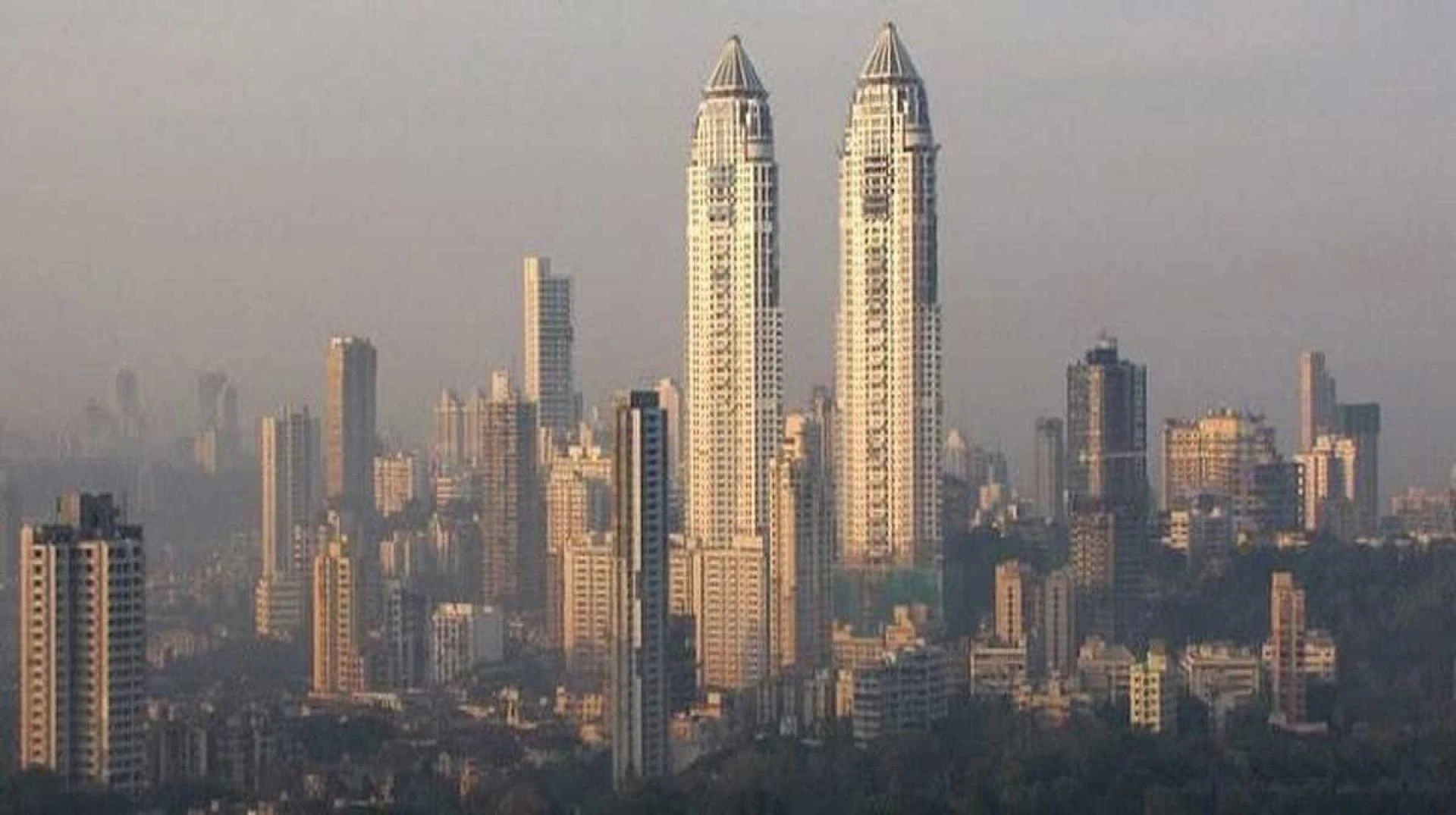

Mumbai has long been the heartbeat of India’s real estate market. While established areas like South Mumbai, Bandra, and Andheri continue to command high prices, a new trend is capturing the attention of smart investors: emerging micromarkets in Mumbai. These localized pockets offer a unique combination of affordability, rapid development, and strong long-term appreciation potential. For investors looking to maximize returns without paying a premium for saturated areas, these micromarkets are becoming increasingly attractive.
This blog highlights some of the most promising micromarkets in Mumbai, the factors driving their growth, and why investors should consider them in their real estate strategies.
Why emerging micromarkets are gaining investor attention
Micromarkets refer to specific localities within a larger city that are experiencing significant development, often due to infrastructure projects or commercial expansion. Unlike traditional hotspots, these areas provide opportunities to invest early before prices surge. Investors are drawn to these markets for several reasons:
- Affordable entry points: Compared to prime areas, micromarkets allow buyers to enter the market at lower costs.
- High growth potential: Infrastructure projects like metro lines, highways, and commercial hubs are transforming these neighborhoods.
- Strong rental demand: Young professionals and families moving to these areas create steady rental opportunities.
As Mumbai continues to expand, these emerging micromarkets are becoming focal points for property investment, making them worth exploring for both new and experienced investors.
Key emerging micromarkets in Mumbai
Several micromarkets are showing remarkable growth and attracting investor interest. Some notable areas include:
- Thane and Kalyan-Dombivli: These suburbs are connected via suburban rail and upcoming metro projects. Affordable housing options combined with growing commercial activity make them ideal for long-term investment.
- Panvel and Navi Mumbai: Proximity to the upcoming Navi Mumbai International Airport, along with highway connectivity, makes these areas highly attractive for residential and commercial investments.
- Goregaon East and Malad West: As western suburbs develop with retail and office hubs, property values and rental demand are steadily rising.
- Chembur and Govandi: Eastern suburbs are benefiting from metro expansion and road development, creating strong potential for appreciation and rental growth.
Each of these micromarkets has distinct advantages, whether it’s connectivity, affordability, or upcoming infrastructure projects. Investors can tailor their strategy depending on whether they seek rental income, long-term appreciation, or both.
Factors driving growth in micromarkets
Several key factors contribute to the rise of emerging micromarkets in Mumbai:
- Infrastructure Development: Metro expansions, road improvements, and airport projects enhance connectivity, making previously peripheral areas accessible and desirable.
- Commercial Expansion: New office hubs and retail spaces attract professionals, increasing residential demand in nearby micromarkets.
- Affordable Housing Initiatives: Government policies and real estate projects focused on affordable housing attract first-time buyers and investors seeking value.
- Urbanization and Population Growth: Mumbai’s growing population is pushing demand toward suburban areas, fueling development and property appreciation.
These factors create a perfect environment for micromarkets to flourish, offering investors a chance to gain an early-mover advantage before prices escalate.
Why investors should focus on these markets
Investing in micromarkets offers several advantages compared to saturated prime areas:
- Higher Return on Investment: Affordable pricing and strong growth potential often translate into higher appreciation over time.
- Steady Rental Income: Emerging neighborhoods attract residents looking for affordable housing near workplaces, ensuring consistent rental demand.
- Early-Mover Advantage: Investors entering before these areas gain recognition as premium neighborhoods can secure properties at competitive rates.
However, it’s essential to perform due diligence. Investors should verify property titles, check developer credentials, and ensure approvals and compliance with municipal regulations. Platforms like Behind The Bricks offer reliable insights and data, making it easier to make informed decisions.
Tips for investing in emerging micromarkets
While the potential is high, success in micromarkets depends on strategic decision-making:
- Connectivity Matters: Prioritize areas with upcoming metro stations, highways, or easy access to commercial hubs.
- Evaluate Local Amenities: Schools, hospitals and retail facilities contribute to livability and rental appeal.
- Choose Reputable Developers: Verified developers reduce the risk of project delays and legal complications.
- Monitor Infrastructure Projects: Keep track of upcoming developments like roads, metro lines and commercial zones to anticipate property appreciation.
Investors who carefully analyze these factors are more likely to maximize returns and minimize risks.
Conclusion
The rise of emerging micromarkets in Mumbai represents a significant opportunity for property investors. With affordable pricing, growing infrastructure and increasing residential demand, these areas are poised for strong growth in the coming years. By understanding the dynamics of each micromarket, verifying legal compliance and selecting the right properties, investors can secure profitable and future-ready investments.
For detailed property insights, verified market trends, and expert guidance on investing in Mumbai’s micromarkets, visit Behind The Bricks – Real Estate Insights.
Additionally, explore Behind The Bricks for in-depth analysis of emerging neighborhoods, investment tips, and property growth projections to guide your next investment move.


































Sign in to leave a comment.