
High-frequency switching power supplies have become a fundamental part of modern electronics. From industrial automation systems and telecommunications infrastructure to medical equipment, renewable energy systems, and consumer electronics, switching power supplies are widely used because of their efficiency, compact size, and ability to handle varying power demands.
However, as switching frequencies increase, these systems generate significant electromagnetic interference (EMI) and radio frequency interference (RFI). Without proper suppression techniques, this electrical noise can disrupt nearby electronics, reduce system reliability, interfere with communication networks, and create compliance challenges.
This is why EMI suppression has become one of the most important considerations in modern power supply design. Effective filtering and noise reduction strategies help maintain stable performance, improve electromagnetic compatibility (EMC), and protect sensitive equipment from interference-related issues.
Why High-Frequency Switching Power Supplies Generate EMI
Switching power supplies operate by rapidly turning electrical current on and off at high frequencies. While this process improves efficiency and reduces heat generation, it also creates fast voltage and current transitions that produce electromagnetic noise.
These high-frequency switching signals can generate both conducted and radiated interference. Conducted EMI travels through power lines and cables, while radiated EMI spreads through the surrounding electromagnetic environment.
Common sources of EMI in switching power supplies include:
- Fast switching transistors
- High-speed clock circuits
- Inductors and transformers
- Ground loop noise
- Poor PCB layout design
- Long cable runs
- Inadequate shielding
As switching frequencies continue increasing in modern electronics, controlling EMI has become significantly more challenging.
The Importance of EMI Suppression
Without proper EMI suppression, switching power supplies can affect nearby systems and compromise overall equipment performance.
Excessive electromagnetic noise may lead to:
- Communication failures
- Data corruption
- Signal instability
- Reduced equipment lifespan
- Sensor inaccuracies
- Compliance testing failures
- System downtime
To prevent these issues, engineers use advanced EMI suppression techniques designed to reduce unwanted electrical noise and improve EMC performance.
EMI Filters as a Primary Suppression Technique
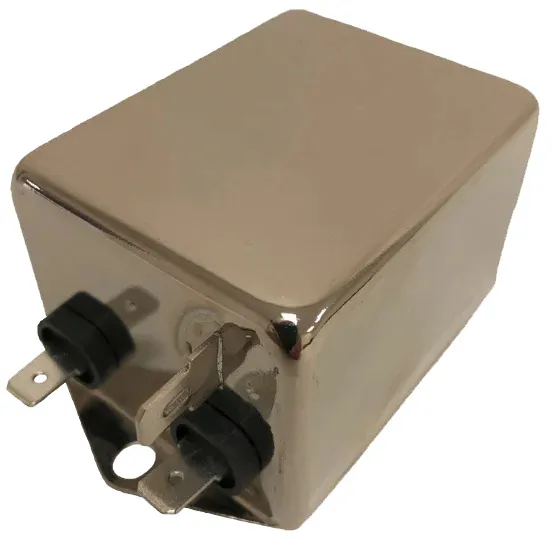
One of the most effective methods for reducing conducted interference is the use of advanced EMI Filters.
These filters are specifically designed to block high-frequency noise while allowing standard electrical power to pass efficiently. Modern filtering solutions help suppress both common-mode and differential-mode interference generated by switching power supplies.
High-performance Power Line Filters are widely used in commercial, industrial, medical, and defense applications to maintain stable power quality and reduce noise propagation across electrical systems.
Similarly, advanced AC power line filters help suppress conducted emissions on AC electrical networks while protecting sensitive electronic equipment from switching noise.
By reducing high-frequency interference at the source, EMI filters improve system reliability and help organizations meet EMC compliance standards.
Single Phase EMI Suppression Solutions
Many electronic systems and smaller power supplies operate using single-phase electrical configurations.
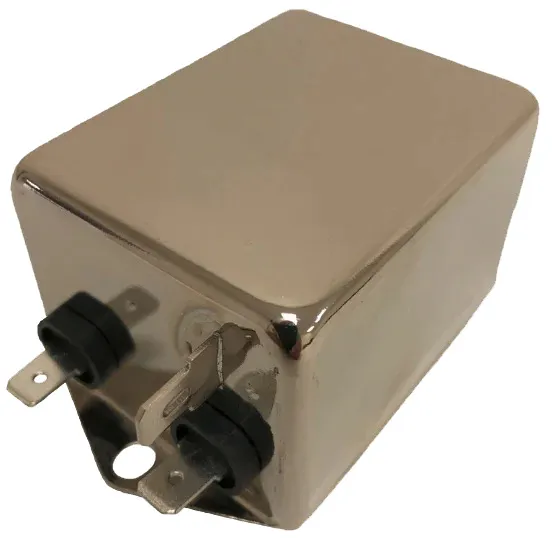
Advanced Single Phase EMI Filters are commonly used to reduce electromagnetic interference in communication systems, control panels, medical devices, office electronics, and automation equipment.
Modern Commercial Single Phase EMI Filters provide reliable EMI suppression in commercial applications where stable power quality and low interference levels are essential.
In many cases, compact single phase filters are integrated directly into switching power supplies to minimize conducted noise before it spreads through the electrical system.
These filtering solutions help improve signal integrity, reduce interference-related malfunctions, and support stable operation in electronically dense environments.
Three Phase EMI Filtering for Industrial Systems
Larger switching power supplies used in industrial environments often operate on three-phase electrical systems.
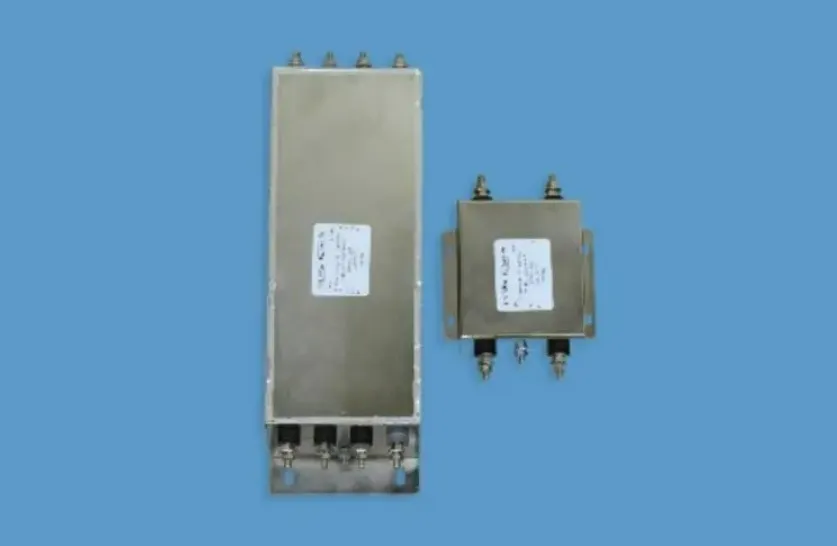
Advanced Three Phase EMI Filters are specifically designed to handle higher power levels while suppressing conducted noise across complex industrial electrical networks.
Manufacturing plants, automation systems, renewable energy infrastructure, and large-scale HVAC systems all rely heavily on effective three-phase EMI suppression.
Modern Commercial Three Phase EMI Filters help maintain EMC compliance and stable power performance in demanding commercial infrastructure environments.
These filters reduce interference generated by motors, inverters, robotics systems, and high-power switching electronics while protecting sensitive control systems from electrical disturbances.
DC EMI Suppression in Modern Electronics
The increasing use of DC-powered systems has also created growing demand for advanced DC EMI Filters.
Electric vehicles, battery storage systems, solar energy infrastructure, telecommunications equipment, and DC-powered automation systems all generate high-frequency switching noise that can interfere with nearby electronics.
DC filtering solutions help suppress conducted interference within direct current power systems while maintaining efficient and stable operation.
As more industries adopt renewable energy and battery-based technologies, DC EMI suppression will continue becoming more important.
Additional EMI Suppression Techniques
While EMI filters are essential, effective suppression usually requires a combination of multiple design strategies.
Proper PCB Layout
Good PCB design helps minimize noise generation and reduces EMI coupling between circuits. Short trace lengths, proper grounding, and optimized component placement all improve EMC performance.
Shielding
Metal shielding helps contain radiated interference and prevents external noise from affecting sensitive circuits.
Grounding Techniques
Proper grounding minimizes ground loop noise and improves overall system stability.
Cable Management
Shorter cable lengths and proper cable routing reduce the risk of unwanted electromagnetic coupling.
Ferrite Components
Ferrite beads and cores help suppress high-frequency noise on cables and signal lines.
EMI Noise Filters and RFI Protection
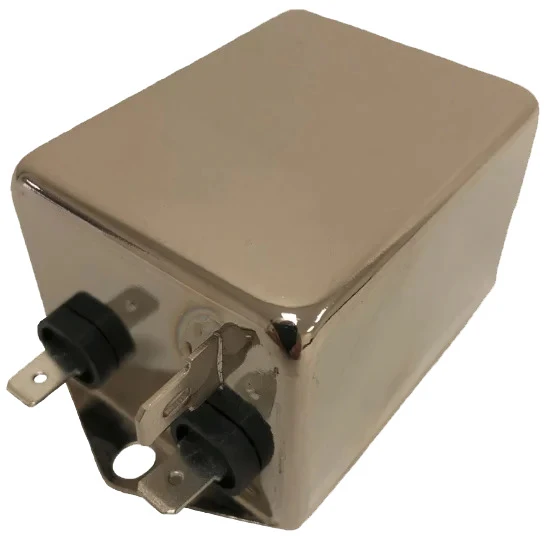
An advanced EMI noise filter helps suppress unwanted electrical disturbances generated by switching circuits and high-frequency electronics.
Similarly, a reliable RFI line filter helps reduce radio frequency interference that may affect communication systems, wireless infrastructure, and sensitive electronic devices.
Together, these filtering solutions improve signal quality and reduce the spread of unwanted interference across electronic environments.
Specialized EMI Protection for Secure Systems
Certain high-security and mission-critical environments require additional EMI protection measures.
Advanced Tempest Filters are designed to suppress compromising electromagnetic emissions that could potentially leak sensitive information from secure electronic systems.
These filters are commonly used in government, defense, and secure communication infrastructure where electromagnetic security is essential.
The Future of EMI Suppression
As switching frequencies continue increasing and electronic systems become more compact, EMI suppression challenges will continue evolving.
Emerging technologies such as AI infrastructure, high-speed data processing, electric transportation systems, and renewable energy networks will require even more advanced filtering solutions capable of handling increasingly complex electromagnetic environments.
Future EMI suppression technologies will focus on higher attenuation performance, smaller filter designs, improved efficiency, and better integration with modern electronic systems.
Conclusion
As electronic systems continue moving toward higher switching frequencies and greater power density, effective EMI suppression is becoming a core requirement in modern power supply design. Uncontrolled electromagnetic noise can affect system stability, reduce equipment efficiency, and create operational challenges across commercial, industrial, medical, and secure electronic environments.
Implementing the right suppression techniques including advanced filtering, grounding, shielding, and optimized circuit design helps improve power quality, maintain EMC performance, and support long-term reliability. Solutions such as Single Phase EMI Filters, Three Phase EMI Filters, DC EMI Filters, AC power line filters, and specialized EMI Filters allow modern switching power supplies to operate more efficiently while minimizing interference risks.
As industries continue adopting faster and more connected technologies, strong EMI management will remain essential for building dependable and future-ready electronic systems.


























Sign in to leave a comment.