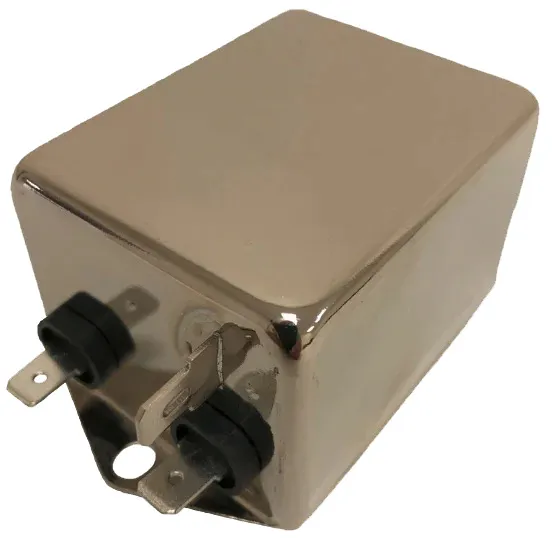

As modern electronic systems become more advanced and interconnected, managing electromagnetic interference has become more important than ever. From healthcare and defense to industrial automation and commercial infrastructure, electrical noise can disrupt performance, damage sensitive equipment, and lead to costly downtime. This is where EMI/RFI filters play a vital role in maintaining reliable and compliant systems.
What Are EMI/RFI Filters?
Electromagnetic Interference (EMI) and Radio Frequency Interference (RFI) are unwanted electrical disturbances that affect system performance. These disturbances often originate from switching power supplies, motors, wireless communications, and high-frequency electronics. Without proper suppression, this noise can spread through power lines and disrupt nearby equipment.
EMI Filters are designed to suppress unwanted noise and allow clean power to flow into electronic systems. By reducing interference, these filters help maintain system stability, improve reliability, and ensure compliance with industry standards.
An effective EMI noise filter works by combining inductors and capacitors to block high-frequency noise while allowing standard power frequencies to pass. This approach ensures optimal system performance while minimizing disruptions.
Why EMI/RFI Filters Are Critical
Electrical noise is not just an inconvenience, it can cause serious operational problems. EMI/RFI filters provide several important benefits:
- Improved system reliability
- Reduced equipment downtime
- Enhanced power quality
- Compliance with regulatory standards
- Protection for sensitive electronics
These advantages make filtering solutions essential in mission-critical applications such as hospitals, defense facilities, and industrial plants.
Types of EMI/RFI Filters
Different applications require different types of filtering solutions. Understanding these options helps engineers select the right filter for their needs.
Single Phase EMI Filters
Single Phase EMI Filters are commonly used in low to medium power applications. These filters are widely used in office equipment, medical devices, and smaller industrial systems. They provide effective noise suppression while maintaining compact designs.
Industrial Single Phase EMI Filters are designed for rugged environments where durability and performance are essential. These filters are commonly used in manufacturing systems, automation equipment, and heavy-duty machinery.
Similarly, Commercial Single Phase EMI Filters are ideal for office environments, commercial buildings, and IT infrastructure. They help maintain stable power and reduce interference in everyday applications.
Three Phase EMI Filters
For higher power systems, Three Phase EMI Filters provide advanced noise suppression and improved performance. These filters are typically used in industrial environments, data centers, and large electrical systems where heavy loads and complex equipment operate simultaneously.
Three-phase filters offer greater capacity and improved efficiency, making them suitable for demanding applications that require reliable performance.
Power Line Filters for Noise Suppression
Power Line Filters are installed at power entry points to prevent electrical noise from entering or leaving a system. These filters are particularly useful in environments with multiple electronic devices operating simultaneously.
By reducing conducted emissions, power line filters help improve overall system performance and minimize interference between devices. They also help organizations meet compliance requirements and maintain operational reliability.
Military and Defense Applications
Defense systems require highly reliable filtering solutions. Military EMI Filters are specifically designed to meet demanding military standards and operate in harsh environments. These filters offer rugged construction, high attenuation levels, and dependable performance.
In addition, Military COTS EMI Filters provide cost-effective solutions while maintaining high performance. These filters are commonly used in defense applications that require reliable EMI suppression without extensive customization.
Military-grade filtering solutions are essential for ensuring communication systems, radar equipment, and defense electronics operate without interference.
Medical Applications and MRI Filters
Healthcare environments rely heavily on sensitive electronic equipment. MRI filters play a critical role in preventing electromagnetic interference from affecting imaging systems. These filters help maintain image clarity, improve diagnostic accuracy, and protect sensitive equipment.
Without proper EMI filtering, external noise can degrade MRI performance and impact patient care. Implementing high-quality filtering solutions ensures reliable operation in medical facilities.
Choosing the Right EMI/RFI Filter
Selecting the right filter requires evaluating several key factors:
- Voltage requirements
- Current capacity
- Frequency range
- Environmental conditions
- Compliance standards
Each application has unique requirements, and selecting the right filter ensures optimal performance. Working with experienced engineers helps ensure the correct solution is implemented.
Benefits of Implementing EMI/RFI Filters
Organizations that invest in EMI/RFI filtering solutions experience several benefits:
Improved Reliability
Filters reduce system disruptions and enhance operational stability.
Enhanced Power Quality
Clean power ensures equipment operates efficiently and reliably.
Compliance with Standards
Filtering solutions help meet regulatory requirements.
Reduced Maintenance Costs
Less interference means fewer equipment failures and lower maintenance costs.
These benefits make EMI/RFI filters essential components in modern electrical systems.
The Growing Demand for EMI/RFI Filters
As technology continues to evolve, electronic systems are becoming more compact and powerful. This increases the potential for interference and makes filtering solutions more important than ever. Industries such as telecommunications, defense, healthcare, and manufacturing all depend on reliable EMI suppression.
Organizations that prioritize EMI filtering gain a competitive advantage by improving performance and reducing downtime.
Conclusion
EMI/RFI filters are essential for improving compliance and reducing electrical noise in critical applications. From Single Phase EMI Filters and Three Phase EMI Filters to specialized solutions like Military EMI Filters and MRI filters, these technologies help maintain reliable performance across industries.
Whether you're working in industrial automation, defense systems, or commercial environments, choosing the right filtering solution is key to long-term reliability. Power Line Filters and advanced EMI suppression technologies ensure clean power and protect sensitive equipment.
Looking to improve system performance and ensure compliance? Explore advanced EMI/RFI filtering solutions today and discover how the right filter can enhance reliability, reduce noise, and protect your critical applications.
Premier Filters offers a wide range of high-performance EMI/RFI solutions designed for industrial, commercial, military, and medical applications. Explore Premier Filters to enhance performance, reduce noise, and ensure dependable operation for your critical systems.


























Sign in to leave a comment.