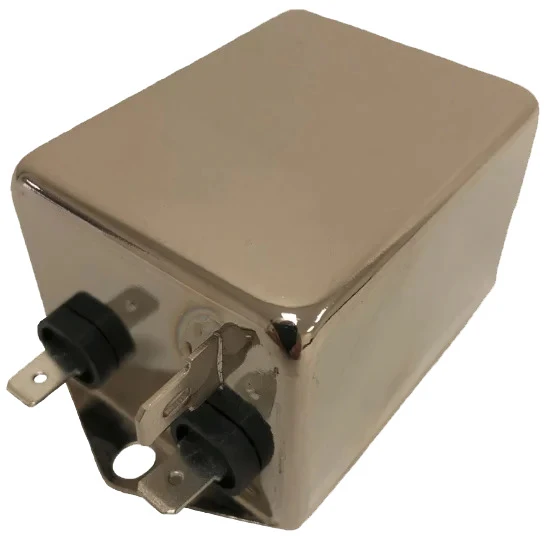

Electrical systems today operate in increasingly complex environments where electromagnetic interference can quietly disrupt performance, reduce efficiency, and even damage sensitive equipment. Choosing the right EMI/RFI filter is not just a technical decision, it’s a strategic one that directly impacts system reliability, compliance, and longevity. With so many options available, understanding the key selection factors can help you make a more informed and effective choice.
1. Understand Your Application Requirements
The first step in selecting the right filter is identifying where and how it will be used. Different environments, industrial plants, medical facilities, telecom systems, or defense installations have unique noise challenges and performance expectations. For instance, a DC EMI Power Line Filter is specifically designed for applications using direct current, where noise suppression must be handled differently than in AC systems. Clearly defining voltage, current, and operating conditions ensures that the filter aligns with your system’s exact needs.
2. Identify the Type of Electrical System
Not all filters are built the same, and choosing between configurations is critical. Systems operating on alternating current often require AC power line filters, which are optimized to reduce interference in standard power supply networks. Additionally, selecting between Single Phase EMI Filters and three-phase solutions depends on the power distribution setup. Single-phase filters are typically used in smaller or commercial applications, while three-phase filters are essential for heavy industrial equipment. Matching the filter type to your system prevents inefficiencies and ensures optimal noise suppression.
3. Evaluate Noise Levels and Frequency Range
Understanding the nature of the interference is key to effective filtering. Electromagnetic noise can vary in frequency and intensity, and not all filters handle every range equally. A well-designed EMI noise filter targets specific frequency bands to block unwanted signals while allowing the desired power to pass through. Conducting proper noise analysis or consulting technical specifications helps in choosing a filter that delivers precise attenuation where it’s needed most.
4. Consider Insertion Loss and Performance Metrics
Insertion loss is one of the most important performance indicators of an EMI/RFI filter. It measures how effectively the filter reduces unwanted noise across different frequencies. A high-quality AC power filter should offer consistent attenuation without affecting the normal operation of the system. Reviewing performance graphs and testing data can give you a clearer picture of how the filter will behave in real-world conditions.
5. Compliance with Industry Standards
Regulatory compliance is a critical aspect of filter selection, especially in industries like healthcare, aerospace, and defense. Filters must meet electromagnetic compatibility (EMC) standards to ensure they do not interfere with other equipment. This is particularly important in sensitive environments where even minor disruptions can have serious consequences. Choosing certified Power Line Filters helps ensure that your system meets both safety and regulatory requirements.
6. Installation Environment and Physical Constraints
The physical environment where the filter will be installed also plays a significant role. Factors such as temperature, humidity, vibration, and available space can influence performance and durability. For high-security or mission-critical environments, Secure Facility EMI Filters are designed to provide enhanced shielding and protection against both internal and external interference. Ensuring the filter is compatible with the installation conditions helps maintain long-term reliability.
7. Customization and Specialized Requirements
In many cases, standard filters may not fully meet the demands of complex systems. This is where customization becomes essential. Advanced setups such as Custom kVAR SCIF facilities require highly specialized filtering solutions tailored to unique power and security requirements. Custom filters can be engineered to address specific challenges, including unusual frequency ranges, higher current capacities, or strict compliance standards.
8. Load Current and Voltage Ratings
Another critical factor is ensuring the filter can handle the electrical load without degradation. Filters must be rated appropriately for both current and voltage to avoid overheating or failure. Oversizing slightly can provide an added safety margin, especially in systems with fluctuating loads or future expansion plans. Properly rated filters not only enhance safety but also extend the lifespan of the entire system.
9. Reliability and Manufacturer Expertise
The quality of the filter is heavily influenced by the manufacturer’s expertise and engineering standards. Established manufacturers invest in rigorous testing, quality control, and innovation to deliver reliable products. Choosing a trusted provider ensures that the filter performs consistently over time, reducing maintenance costs and minimizing the risk of unexpected failures.
10. Cost vs Long-Term Value
While cost is always a consideration, it should not be the sole deciding factor. A lower-priced filter may save money initially but could lead to higher maintenance costs, downtime, or equipment damage in the long run. Investing in a high-quality filter that meets all technical and environmental requirements provides better value over time through improved performance and durability.
Conclusion
Selecting the right EMI/RFI filter requires a careful balance of technical knowledge, application understanding, and long-term planning. From evaluating system requirements and noise characteristics to ensuring compliance and reliability, each factor plays a crucial role in achieving optimal performance. Whether you are designing a new system or upgrading an existing one, the right filtering solution can significantly enhance efficiency, protect sensitive equipment, and ensure uninterrupted operations.


























Sign in to leave a comment.