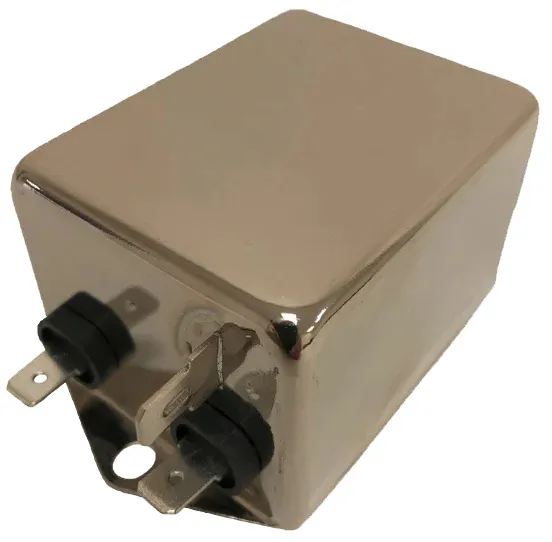

In modern electronic systems, maintaining clean and stable power is critical for performance, reliability, and safety. However, electrical noise whether from internal components or external sources can disrupt operations in subtle yet serious ways. Two of the most common types of interference are electromagnetic interference (EMI) and radio frequency interference (RFI). While often used interchangeably, they are not the same. Understanding their differences and how to manage them using the right filtering solutions is essential for any application.
What is EMI?
Electromagnetic interference (EMI) refers to unwanted electrical noise that disrupts the normal operation of electronic devices. It can be generated by switching power supplies, motors, industrial machinery, or even nearby electrical systems. EMI can travel through conductive paths like power lines or radiate through the air, affecting sensitive equipment.
To control this, engineers rely on EMI Filters, including solutions like DC EMI Filters and DC EMI Power Line Filter systems, which suppress noise in DC-powered circuits. These filters prevent interference from propagating across systems and ensure stable operation.
What is RFI?
Radio frequency interference (RFI) is a subset of EMI that specifically occurs at radio frequencies. It is typically generated by wireless communication devices, transmitters, and high-frequency circuits. RFI can interfere with communication signals, disrupt data transmission, and degrade system performance.
An RFI line filter is specifically designed to target these high-frequency disturbances, ensuring that communication systems and signal-sensitive applications operate without disruption.
Key Differences Between EMI and RFI
While EMI is a broad term that includes all types of electromagnetic disturbances, RFI is more focused on the higher frequency spectrum. EMI can occur across a wide range of frequencies, whereas RFI is limited to radio frequency bands.
In practical terms:
- EMI affects both power and signal integrity across systems
- RFI mainly impacts communication signals and high-frequency circuits
Despite these differences, both types of interference can coexist and must be addressed together using comprehensive filtering strategies.
Why Both EMI and RFI Matter
Ignoring EMI or RFI can lead to serious consequences, including equipment malfunction, data corruption, and non-compliance with regulatory standards. In industries such as healthcare, defense, and industrial automation, even minor interference can have major impacts.
For example, in medical environments, RF filters for MRI rooms are critical for ensuring accurate imaging. These filters prevent external radio frequency signals from interfering with MRI scans, maintaining clarity and diagnostic precision.
Similarly, in defense and secure applications, Mil Grade EMI Filters and Tempest Filters are used to protect sensitive systems from both EMI and RFI while also preventing electromagnetic emissions that could compromise data security.
Filtering Solutions for EMI and RFI
Effective noise suppression requires the use of specialized filtering solutions tailored to the application. Power Line Filters, including AC power line filters and DC EMI Power Line Filter options, are commonly used to block conducted interference at the source.
For smaller systems, Single Phase EMI Filters and single phase filters are widely used. These are ideal for localized applications where precise noise control is required. Single Phase Power Line Filters and AC power filter solutions ensure that clean power is delivered to sensitive devices.
In larger industrial environments, Three Phase EMI Filters play a crucial role. These filters handle higher loads and provide comprehensive noise suppression across complex power systems. They are essential for maintaining stability in heavy-duty equipment and large-scale operations.
Additionally, emi noise filter solutions and RFI line filter technologies are often combined to address both low- and high-frequency interference effectively.
Application-Specific Importance
Different industries require different approaches to EMI and RFI filtering. In industrial settings, DC EMI Filters and Three Phase EMI Filters are commonly used to manage noise from heavy machinery and power systems.
In healthcare, RF filters for MRI rooms ensure that imaging equipment operates without interference, while AC power line filters maintain stable power supply. In defense and aerospace, Tempest Filters and Mil Grade EMI Filters provide advanced protection against both interference and data leakage.
Each application demands a tailored approach, combining multiple filter types to achieve optimal performance.
Building an Effective Filtering Strategy
A successful filtering strategy goes beyond selecting a single component. It involves integrating multiple solutions, such as Single Phase EMI Filters, DC EMI Power Line Filter systems, and rfi line filter technologies, into a cohesive design.
Proper installation, grounding, and system layout are equally important. Even the best filters can underperform if they are not installed correctly or if other sources of interference are not addressed.
By combining AC power filter solutions, Power Line Filters, and advanced options like Tempest Filters, engineers can create systems that are resilient to both EMI and RFI.
Conclusion
EMI and RFI may differ in their frequency ranges and sources, but both pose significant challenges to modern electronic systems. Understanding these differences is the first step toward effective noise management.
With the right combination of EMI Filters, DC EMI Filters, Single Phase EMI Filters, Three Phase EMI Filters, and specialized solutions like Mil Grade EMI Filters and RF filters for MRI rooms, it is possible to protect sensitive equipment, ensure compliance, and maintain reliable performance.
Looking to eliminate EMI and RFI from your systems? Explore advanced filtering solutions today and build a cleaner, more reliable electrical environment for your critical applications.


























Sign in to leave a comment.