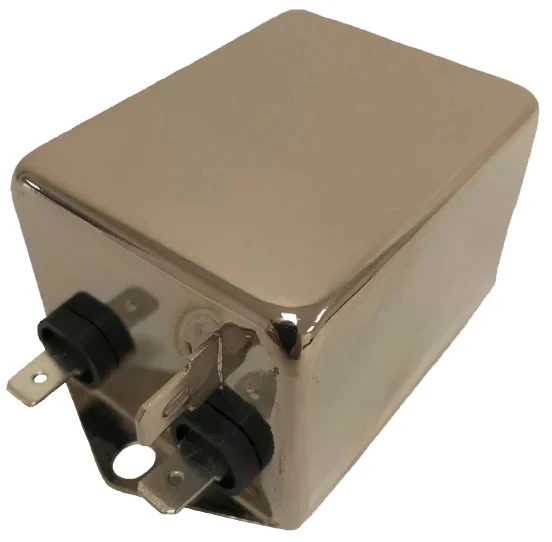

Electromagnetic interference (EMI) and radio frequency interference (RFI) are common challenges in modern electrical and electronic systems. As industrial machinery, medical equipment, communication systems, and commercial electronics become more advanced, the risk of interference affecting performance increases. This is why selecting the right filter is critical for ensuring reliability, safety, and compliance with electromagnetic compatibility (EMC) standards.
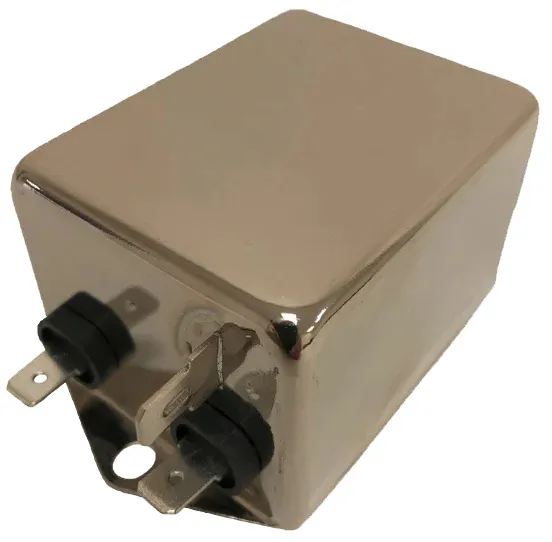
In many applications, EMI Filters are installed at the power entry point to prevent unwanted electromagnetic noise from entering or leaving an electronic device. These filters protect sensitive components, maintain stable system performance, and help manufacturers meet regulatory requirements.
Understanding EMI/RFI Interference
Before choosing a filter, it is important to understand the sources of interference. EMI and RFI can originate from switching power supplies, motors, wireless communication devices, industrial automation equipment, and even nearby electrical systems. This interference can travel through power lines or radiate through the air, affecting nearby electronics.
When interference travels through electrical wiring, it is known as conducted noise. In such cases, an emi noise filter helps suppress unwanted signals and prevents them from disrupting system operation. Proper filtering ensures that devices perform consistently even in electrically noisy environments.
Key Factors to Consider When Selecting a Filter
1. Application Environment
The first step in selecting the right filter is understanding where it will be used. Industrial facilities typically contain heavy machinery, high-power motors, and switching equipment that generate significant electrical noise. Commercial environments such as offices, retail systems, and data centers may require moderate filtering but still need reliable interference protection.
For example, filters designed for medical environments are specifically engineered to meet strict safety and performance standards. In medical imaging systems, MRI Filters are used to protect sensitive equipment from interference that could affect image quality and diagnostic accuracy.
2. Power Requirements
Another important factor is the voltage and current rating of the system. Filters must match the power requirements of the equipment they protect. An AC power filter is commonly used in power supply systems to reduce noise from the AC mains and prevent interference from reaching electronic circuits.
Selecting a filter with insufficient power capacity may lead to overheating or system instability, while an oversized filter may increase costs unnecessarily. Careful analysis of system load and operating conditions helps determine the appropriate filter rating.
3. Type of Noise to Be Suppressed
Different applications produce different types of interference. Some generate high-frequency noise, while others produce broadband disturbances. Filters are designed with specific attenuation characteristics to target particular frequency ranges.
Engineers must analyze the frequency spectrum of the interference to determine the most effective filtering solution. This ensures that the selected filter suppresses problematic signals without negatively affecting normal system operation.
4. Compliance and Security Requirements
Many industries must meet strict regulatory standards related to electromagnetic compatibility. Aerospace, defense, and government facilities often require higher levels of protection to prevent signal leakage or electronic vulnerability.
In such environments, specialized Tempest Filters are used to block electromagnetic emissions that could potentially expose sensitive information. These filters are commonly installed in secure facilities where data protection and electromagnetic shielding are critical.
Similarly, defense and military systems often require ruggedized filtering solutions. Mil Grade EMI Filters are designed to meet stringent military standards, ensuring reliable performance under harsh environmental conditions such as extreme temperatures, vibration, and electrical stress.
5. Installation and System Integration
Ease of installation and system compatibility are also important considerations. Filters should integrate seamlessly into the electrical system without requiring complex modifications. Power entry filters, chassis-mounted filters, and modular filter designs are commonly used depending on the equipment configuration.
Proper grounding and correct wiring are essential to ensure that the filter performs as intended. Even the best filter will not function effectively if it is installed incorrectly or if the grounding system is inadequate.
Benefits of Choosing the Right EMI/RFI Filter
Selecting the appropriate EMI/RFI filter offers several important benefits for industrial and commercial systems:
- Improved Equipment Reliability: Filters reduce electrical noise that can cause system malfunctions or unexpected shutdowns.
- Enhanced Performance: Stable power conditions allow sensitive electronics to operate more efficiently.
- Regulatory Compliance: Proper filtering helps manufacturers meet EMC and safety standards required for market approval.
- Protection of Sensitive Systems: Filters prevent interference from damaging or disrupting critical equipment.
By minimizing electrical noise and improving power quality, filters play a key role in maintaining the performance and longevity of electronic systems.
Final Thoughts
As electronic systems continue to evolve, managing electromagnetic interference has become a crucial aspect of system design. Choosing the right EMI/RFI filter requires a clear understanding of the application environment, power requirements, noise characteristics, and regulatory standards.
From industrial automation and commercial electronics to medical imaging and secure facilities, the right filtering solution ensures that equipment operates reliably without interference. By carefully evaluating these factors, engineers and system designers can select the most effective filter to protect their systems and maintain consistent performance in even the most demanding environments.



























Sign in to leave a comment.