In today's digital age, data is the lifeblood of organizations, driving decision-making, innovation, and competitiveness. However, the sheer volume and variety of data generated from disparate sources can pose significant challenges for organizations seeking to harness its full potential. This is where data integration tools and data management platforms come into play, enabling organizations to seamlessly integrate, manage, and analyze data to derive valuable insights. In this guest post, we'll delve into the world of data integration tools and data management platforms, exploring their key functionalities, benefits, and the transformative impact they have on organizations across industries.
Understanding Data Integration Tools
Data integration tools are software applications designed to facilitate the process of integrating data from disparate sources, transforming it into a consistent format, and loading it into a target destination for analysis and reporting. These tools play a critical role in enabling organizations to create unified views of their data, break down data silos, and derive actionable insights from their data assets. Some key functionalities of data integration tools include:
Connectivity to Diverse Data Sources:Data integration tools support connectivity to a wide range of data sources, including databases, files, APIs, cloud platforms, and enterprise applications. This enables organizations to extract data from virtually any source, regardless of its format or location.
Data Transformation and Mapping: Data integration tools provide capabilities for transforming and mapping data from source to target, enabling organizations to clean, enrich, and standardize data as it moves through the integration pipeline. This ensures that the data is consistent, accurate, and ready for analysis.
Workflow Orchestration and Automation:Data integration tools offer features for orchestrating and automating data integration workflows, allowing organizations to schedule, monitor, and manage integration tasks efficiently. This reduces manual effort, improves productivity, and ensures that data integration processes run smoothly and reliably.
Data Quality and Governance:Data integration tools include features for ensuring data quality and governance, such as data profiling, validation, and error handling. These tools enable organizations to enforce data quality standards, maintain data integrity, and comply with regulatory requirements.
Real-time and Batch Processing:Data integration tools support both real-time and batch processing modes, allowing organizations to integrate data in near-real-time or scheduled batch jobs. This flexibility enables organizations to meet varying data integration requirements and accommodate different use cases.
Understanding Data Management Platforms
Data management platforms (DMPs) are comprehensive software solutions designed to facilitate the end-to-end management of data across the entire data lifecycle. These platforms encompass a wide range of functionalities, including data integration, storage, governance, analytics, and visualization, enabling organizations to manage their data assets effectively and derive actionable insights. Some key functionalities of data management platforms include:
Data Integration and ETL:Data management platforms offer built-in data integration and ETL (Extract, Transform, Load) capabilities, allowing organizations to extract, transform, and load data from disparate sources into a centralized repository for analysis and reporting.
Data Storage and Warehousing:Data management platforms provide scalable and secure data storage solutions, including data warehouses, data lakes, and cloud storage services. These platforms enable organizations to store and manage large volumes of data efficiently, ensuring accessibility, reliability, and security.
Data Governance and Compliance:Data management platforms include features for enforcing data governance policies, ensuring data quality, and complying with regulatory requirements such as GDPR, CCPA, and HIPAA. These platforms enable organizations to establish data governance frameworks, define data access controls, and monitor data usage and compliance.
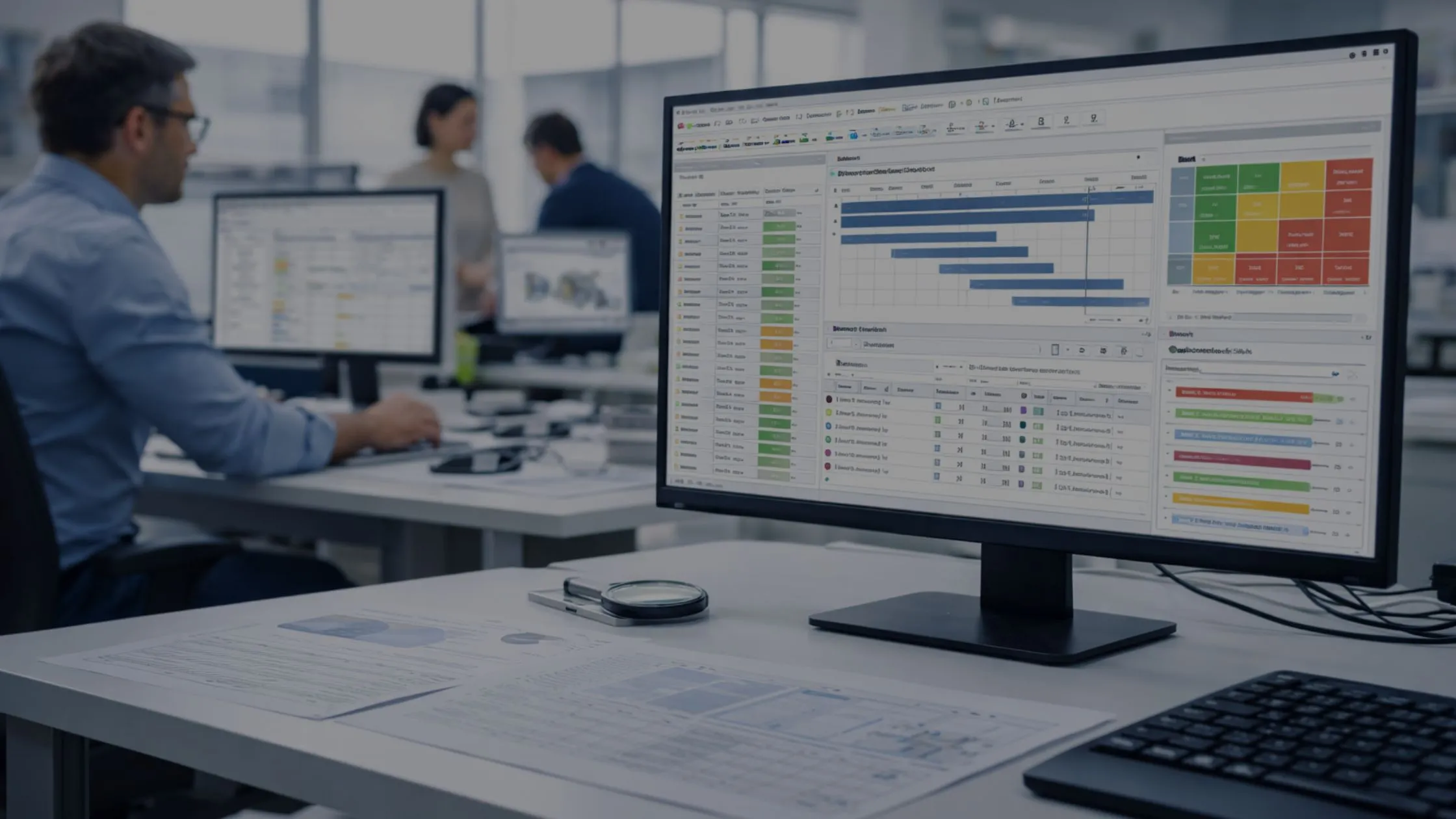
Advanced Analytics and Visualization: Data management platforms offer advanced analytics and visualization capabilities, allowing organizations to analyze and visualize their data to derive valuable insights and make informed decisions. These platforms provide tools for data exploration, predictive modeling, and interactive dashboards, enabling users to uncover hidden patterns and trends in their data.
Scalability and Flexibility: Data management platforms are highly scalable and flexible, allowing organizations to adapt to changing data management requirements and accommodate growing data volumes and complexity. These platforms support horizontal and vertical scaling, enabling organizations to scale their data management infrastructure as needed to meet evolving business needs.
Conclusion
In conclusion, data integration tools and data management platforms are indispensable components of the modern data ecosystem, enabling organizations to seamlessly integrate, manage, and analyze their data to derive valuable insights and drive business success. Whether it's integrating data from disparate sources, ensuring data quality and governance, or performing advanced analytics and visualization, these tools and platforms empower organizations to unlock the full potential of their data assets and achieve their strategic objectives with confidence. As organizations continue to recognize the importance of data-driven decision-making in gaining a competitive edge, investments in data integration tools and data management platforms are poised to become increasingly strategic and essential for driving innovation and growth in the digital age.






















Sign in to leave a comment.