
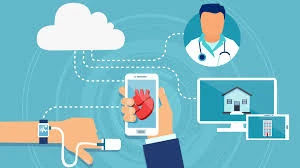
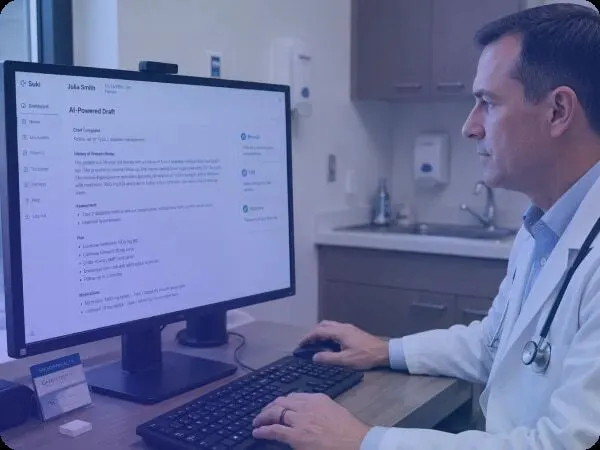
Electronic Medical Records (EMRs) have revolutionized healthcare by digitizing patient information, streamlining record-keeping, and enhancing overall efficiency. EMR systems replace traditional paper-based records with electronic versions, allowing healthcare providers instant access to patient data. This facilitates quicker decision-making, improves coordination among medical teams, and reduces the risk of errors.
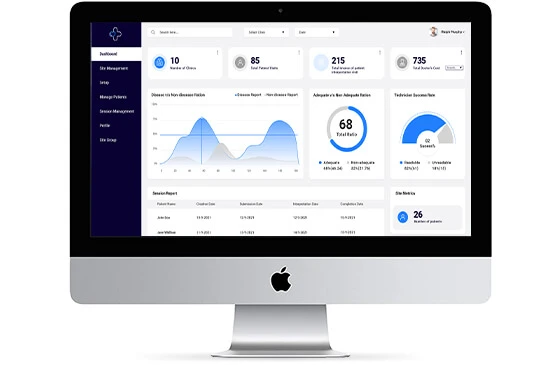
Key features of EMRs include the ability to record patient demographics, medical history, medications, and test results in a centralized database. This not only enhances patient care but also enables data sharing across different healthcare settings. EMRs contribute to a more comprehensive and accurate picture of a patient\'s health, leading to better-informed treatment plans.
Moreover, EMRs promote patient engagement by providing individuals with access to their own health information. The transition to EMRs marks a crucial step towards a more interconnected and data-driven healthcare system, ultimately improving the quality and safety of patient care.
























Sign in to leave a comment.