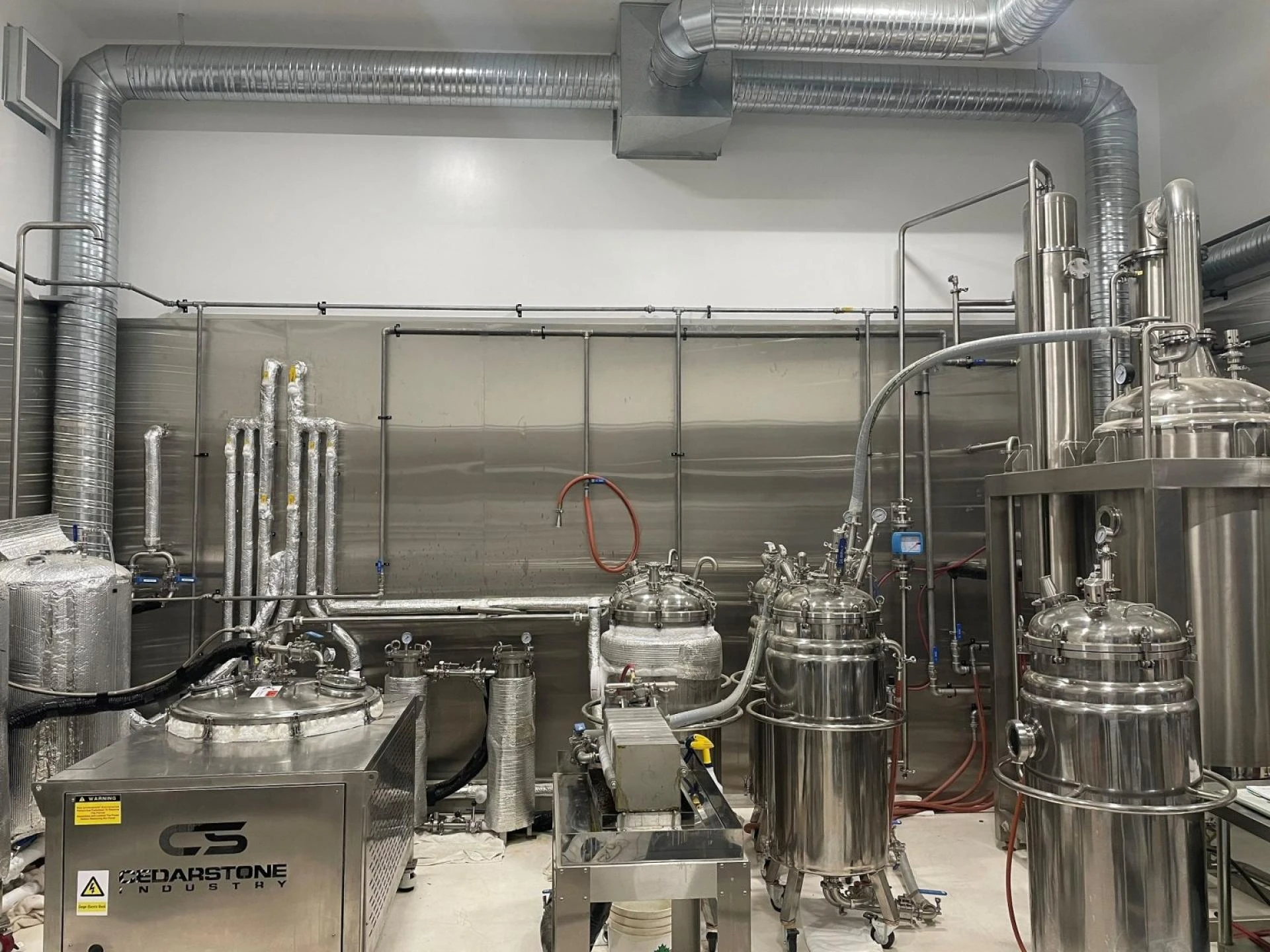
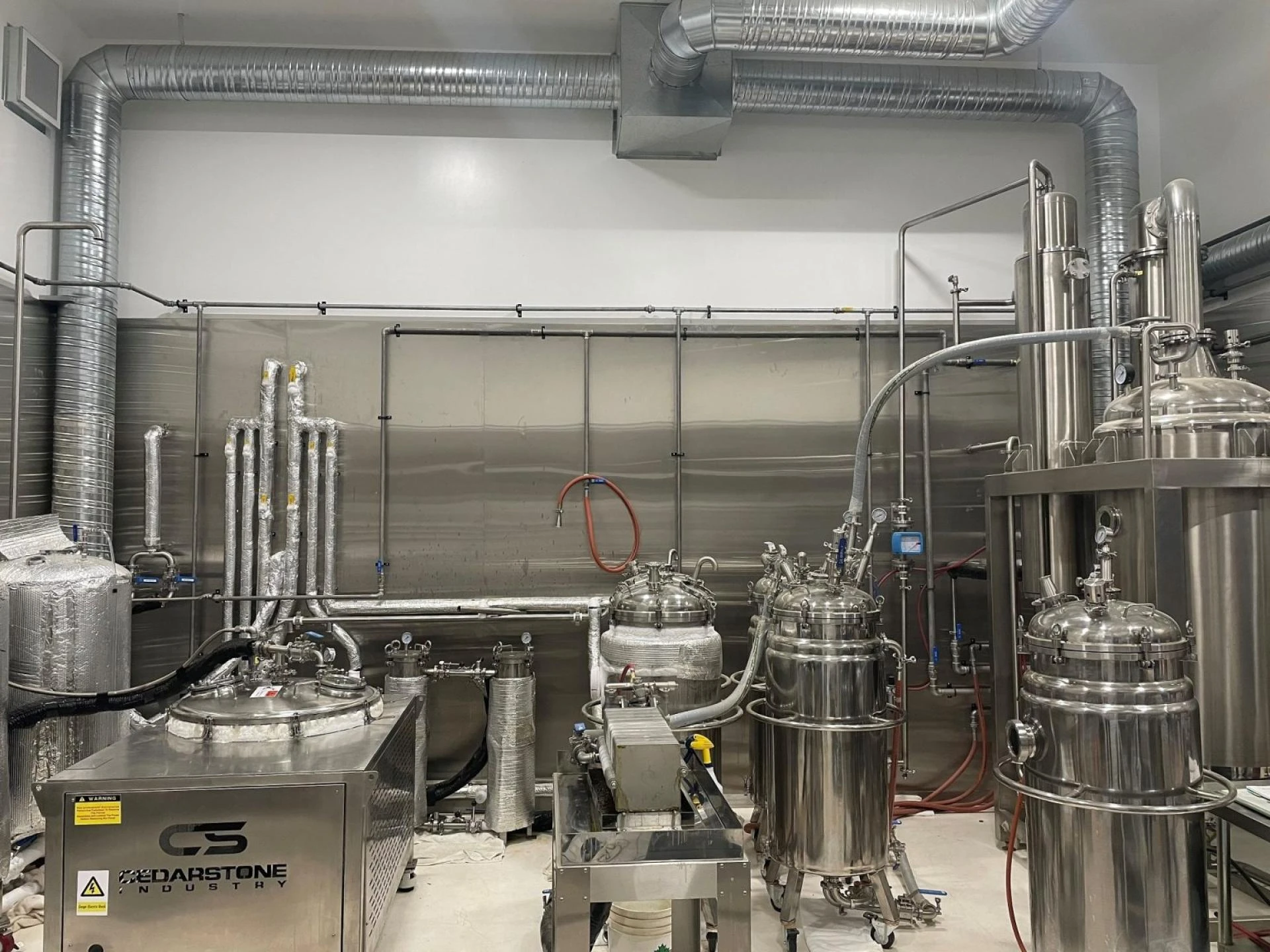
In today’s food, beverage, and brewing industries, sustainability and efficiency are no longer optional—they are critical. Companies are increasingly seeking equipment that not only ensures product safety and quality but also reduces energy consumption and operational costs. One of the most essential components in this pursuit is the pasteurizer. A well-designed, energy-efficient pasteurizer can significantly impact production processes, helping manufacturers achieve consistent results while minimizing environmental impact. Cedarstone Industry, a leading manufacturer of stainless steel process equipment, specializes in designing and delivering high-performance, customizable pasteurizer systems that align with modern sustainability goals.
Reducing Energy Consumption in Pasteurization
Pasteurization is a vital step in the food and beverage industry, designed to eliminate harmful microorganisms and extend shelf life. However, traditional pasteurization processes can be highly energy-intensive. Modern energy-efficient pasteurizers, such as those offered by Cedarstone Industry, focus on reducing energy consumption without compromising product safety.
One of the key methods is through precise temperature control and optimized heating cycles. By maintaining exact temperatures and avoiding unnecessary over-processing, these pasteurizers reduce the amount of energy needed to achieve the desired level of microbial inactivation. Additionally, advanced insulation techniques in pasteurizer tanks and piping minimize heat loss during production, ensuring that energy is used efficiently.
Investing in energy-efficient pasteurizers not only lowers utility bills but also contributes to a company’s sustainability goals. With rising energy costs and increasing environmental regulations, optimizing energy use in pasteurization processes has become a strategic priority for modern manufacturers.
Heat Recovery Systems in Modern Pasteurizers
A critical innovation in energy-efficient pasteurizers is the integration of heat recovery systems. These systems capture and reuse thermal energy from the pasteurization process, significantly reducing overall energy consumption. For example, a heat exchanger can transfer heat from the hot product exiting the pasteurizer to incoming cold product. This pre-heating reduces the energy required to bring raw material to the pasteurization temperature, making the process far more efficient.
Cedarstone Industry’s pasteurizer designs often include state-of-the-art heat recovery solutions, allowing clients to maximize energy savings while maintaining product quality. By reclaiming heat that would otherwise be lost, manufacturers can reduce their carbon footprint and improve the sustainability of their operations. This approach not only aligns with eco-conscious production strategies but also delivers measurable financial benefits through lower energy expenses.
Automation and Monitoring for Optimal Efficiency
Automation is another cornerstone of energy-efficient pasteurizer design. Advanced pasteurizers are equipped with smart control systems that monitor temperature, flow rate, and processing times in real-time. These automated controls ensure that the pasteurization process operates at peak efficiency, avoiding energy waste caused by manual adjustments or inconsistent heating.
With integrated sensors and automated monitoring, operators can detect anomalies instantly and make necessary adjustments without interrupting production. Cedarstone Industry’s custom pasteurizers offer user-friendly control interfaces, providing precise data on energy usage, system performance, and operational efficiency. Automation not only improves energy efficiency but also enhances product consistency, reduces human error, and minimizes downtime.
Moreover, data collected through automated monitoring systems can help manufacturers identify patterns and implement predictive maintenance strategies. By anticipating maintenance needs before equipment failures occur, companies can prevent energy inefficiencies caused by malfunctioning components and maintain continuous, optimized production.
Eco-Friendly CIP Practices
Cleaning and sanitation are critical for maintaining food safety, but traditional Clean-in-Place (CIP) processes can consume significant amounts of water and energy. Energy-efficient pasteurizers are often designed to integrate with eco-friendly CIP systems that reduce resource consumption. By using recirculating cleaning solutions, optimizing flow rates, and controlling cleaning temperatures, manufacturers can maintain stringent hygiene standards while minimizing environmental impact.
Cedarstone Industry’s pasteurizers are engineered with CIP compatibility in mind, ensuring that cleaning cycles are efficient, thorough, and sustainable. For instance, CIP systems can recover heat from rinse water or recycle cleaning agents, reducing water and energy consumption. Combining energy-efficient pasteurization with smart CIP practices allows companies to achieve holistic sustainability, addressing both production and sanitation requirements.
In addition to environmental benefits, these eco-friendly CIP practices reduce operational costs and downtime, allowing manufacturers to allocate resources more effectively. Sustainable cleaning and pasteurization processes together help organizations meet regulatory requirements and align with consumer expectations for environmentally responsible production.
Conclusion
Energy-efficient pasteurizers are transforming the way the food, beverage, and brewing industries approach production. By reducing energy consumption, integrating heat recovery systems, leveraging automation, and employing eco-friendly CIP practices, manufacturers can achieve a balance between operational efficiency and sustainability. Cedarstone Industry’s custom pasteurizers exemplify this approach, providing high-quality, reliable equipment that meets the demands of modern production environments.
Adopting energy-efficient pasteurizer solutions not only lowers operational costs but also contributes to a smaller environmental footprint, stronger regulatory compliance, and improved overall product quality. For companies seeking to enhance sustainability while maintaining the highest standards in food and beverage processing, investing in advanced pasteurizers is a strategic step toward long-term success.





























Sign in to leave a comment.