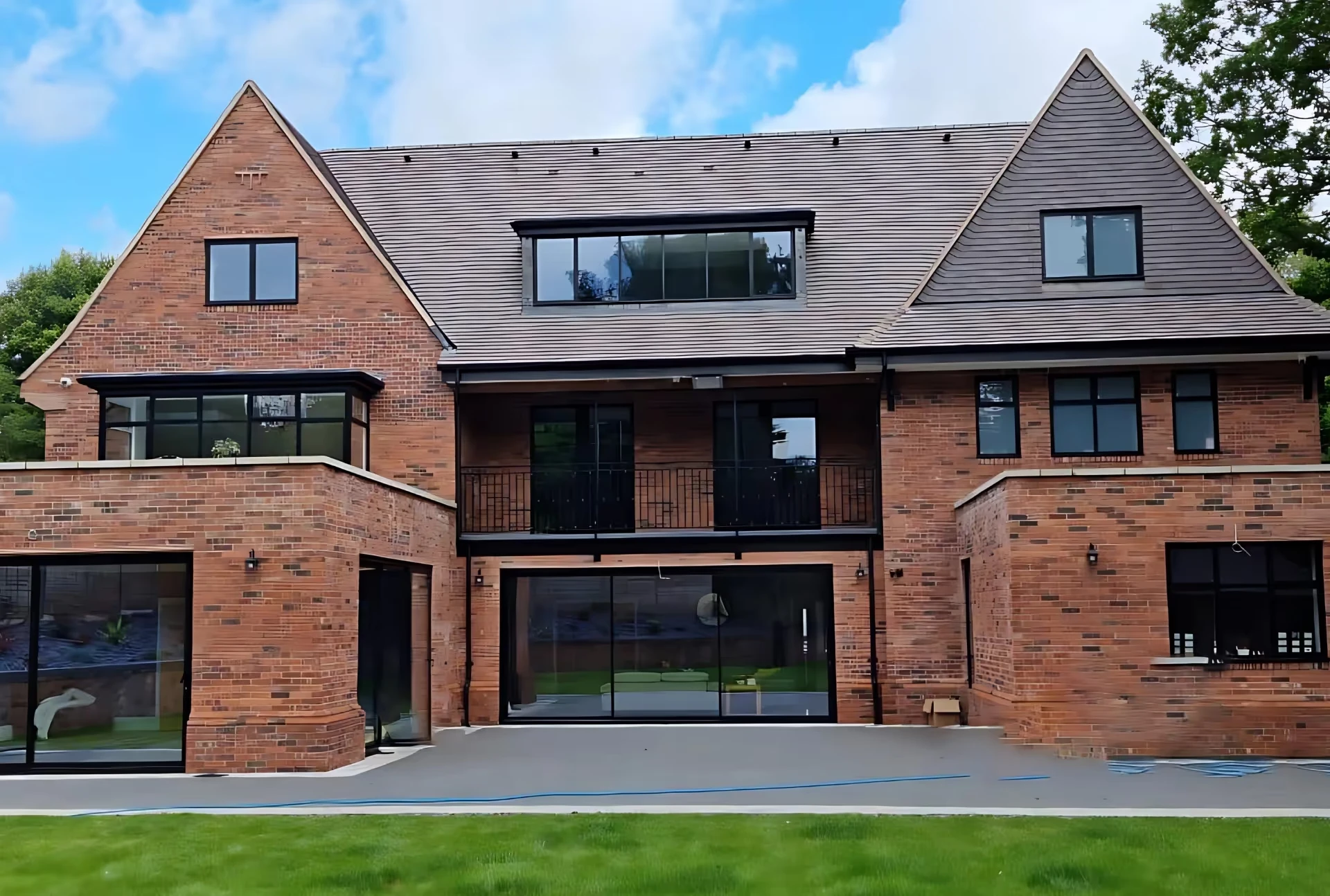

“An energy-efficient home begins at the entrance, and the right door can quietly save you hundreds every year while improving comfort and security”
The UK energy picture remains tight, and rising heating costs mean every weak point in a home matters. Front doors can account for around ten to fifteen per cent of a property’s heat loss and, together with windows, contribute roughly twenty to twenty-five per cent of total heat escape. Contemporary composite doors combine improved insulation, robust seals and modern cores to reduce heat transfer, cut draughts and improve comfort. This guide explains the practical data behind those claims, shows how thermal performance and installation quality affect real outcomes, and sets out clear steps homeowners in Birmingham, Manchester and across the UK can take to improve efficiency at the entrance.
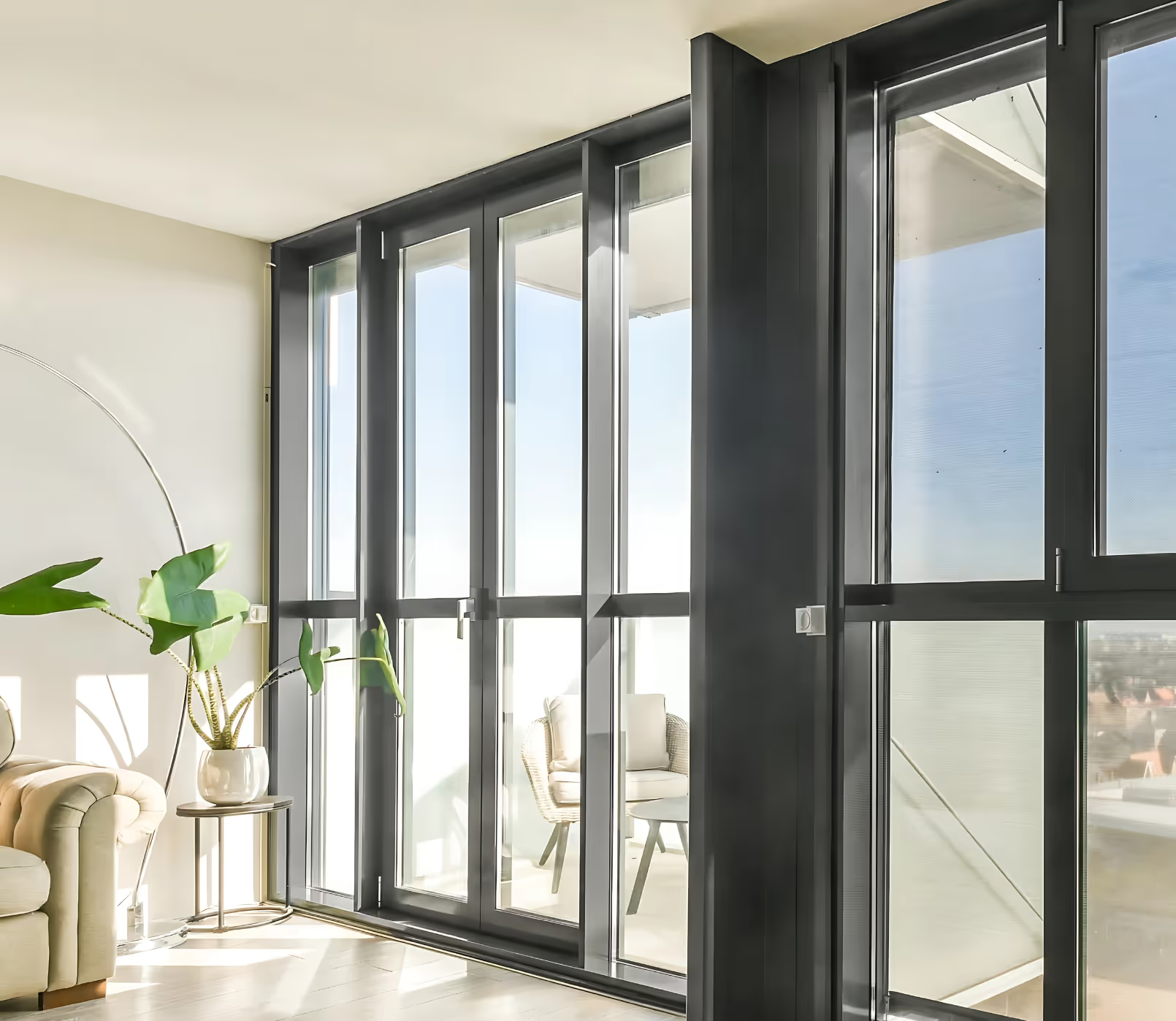
How do contemporary composite doors reduce energy loss in UK homes?
Heat leaves a home through conduction, convection and infiltration. Older timber doors often have gaps, shrinkage and poor sealing that allow cold air in. uPVC doors can be better but may lack the density and thermal mass of composite options. Contemporary composite doors are engineered to limit heat transfer and to resist draughts through improved cores, frames and seals.
Manufacturers focus on three practical areas. First, the core material provides resistance to heat flow. Second, the frame design reduces cold bridging. Third, weather seals and thresholds prevent wind-driven infiltration. Together, these elements make a measurable difference to how a property retains warmth.
Short, practical points:
- Doors and windows account for a significant share of heat loss.
- Front doors alone account for a notable portion of heat loss.
- Installation quality can significantly affect real-world performance.
Composite doors also integrate glazing panels and reinforced frames that maintain performance over time. Unlike older timber, modern composite materials resist movement and retain seal compression. That stability preserves thermal performance and reduces the need for frequent adjustments. For homeowners who want a durable, low-maintenance entrance that performs consistently, composite doors are a compelling option.
How does this affect daily life?
- Fewer cold draughts in hallways and entrance areas.
- More consistent internal temperatures near the door.
- Reduced reliance on short, intensive heating cycles.
Find out how a high-performance door will perform in your home. Book a site survey with Klassic Trade Frames for tailored advice and specification.
👉 Request a Survey!
How to choose the right composite door for maximum energy savings?
When choosing a door, prioritise measurable attributes and proven performance. Look for manufacturer data that shows thermal transfer figures and airtightness test results. Consider glazing, core type and door thickness. Denser cores provide better thermal mass and help stabilise internal temperatures.
Key selection checklist:
- Manufacturer performance data and airtightness tests.
- Glazing specification and solar control where needed.
- Core material and door thickness for thermal inertia.
- Quality of weather seals and threshold design.
- Installer accreditation and local experience.
Glazing matters. High-performance double glazing in door panels reduces heat loss through glass areas and improves overall thermal performance. Specialist glazing options are available for properties that require specific aesthetics or additional solar control. Door thickness and core type influence thermal inertia, which helps resist rapid temperature changes and reduces the sensation of cold near the entrance.
Professional installation is essential. Even the best door will underperform if poorly fitted. Gaps, misaligned frames and inadequate sealing can substantially reduce efficiency. Using a reputable local supplier and installer ensures compliance with building regulations and relevant guidance. For trade projects, specifying professional fitting through custom conservatories for trade installation services ensures the whole opening performs as intended and integrates with adjacent glazing or conservatory structures.
Local climate and regional considerations matter. Damp, windy conditions underscore the importance of robust seals and thresholds. In Birmingham and Manchester, reliable weatherproofing and correct installation are essential to prevent cold bridging and moisture ingress. Local suppliers and installers understand these regional factors and can recommend appropriate specifications and finishes that suit both modern and period properties.
See how correctly specified doors perform in real homes and how installation details matter.
👉 View Our Work!
Practical installation and specification tips
Good specification and careful installation turn product performance into real comfort. Follow these practical steps when planning an upgrade.
Practical steps:
- Confirm manufacturer performance data and request test certificates.
- Choose a core type suited to your property and climate.
- Specify high-quality seals and a reinforced threshold.
- Ensure glazing panels meet the same performance standard as the door.
- Book an accredited installer with local experience.
Installation pitfalls to avoid:
- Leaving gaps between the frame and the masonry.
- Using inferior sealant or compressible materials.
- Failing to coordinate door and adjacent glazing specifications.
- Ignoring threshold design for wind-driven rain and draughts.
Trade projects should include a clear handover pack that lists performance data, maintenance guidance and warranty details. That documentation helps future owners and supports any energy efficiency claims made during the sale or valuation.
Not sure which door delivers the best energy performance for your property? Speak to Klassic Trade Frames for expert guidance and a no-obligation quote.
👉 Contact us!
Long-term value beyond thermal performance
A well-specified composite door delivers more than improved thermal comfort. It reduces maintenance, enhances security and contributes to kerb appeal. These benefits combine to support long-term value for the property.
Benefits summary:
- Improved thermal comfort and fewer draughts.
- Lower maintenance compared with timber.
- Enhanced security through reinforced cores and multi-point locks.
- Better kerb appeal and perceived property quality.
Pairing a high-performance door with well-specified glazing or a conservatory upgrade improves whole-house thermal retention. For homeowners planning larger projects, coordinating door upgrades with custom conservatories for trade installation services ensures the entire opening is treated holistically and performs as part of the building fabric.
Real energy saving examples by specification and installation
Practical examples show how specification and installation deliver results. A full-frame replacement with a dense-core door, upgraded seals, and a reinforced threshold removes common infiltration points and stabilises the internal environment. Where glazing panels are present, specifying high-performance glass reduces heat transfer and improves comfort near the entrance.
Combined measures that work:
- Full-frame replacement rather than partial repairs.
- Upgraded seals and reinforced thresholds.
- Coordinated glazing and door specifications.
- Draught-proofing adjacent frames and masonry gaps.
Trade installers and builders often pair door upgrades with draught-proofing and frame insulation. These combined measures reduce cold bridging and ensure the entrance performs as part of the building fabric rather than as an isolated component.
Arrange a personalised site survey with Klassic Trade Frames to assess energy improvements and door specifications for your property.
👉 Book a Site Survey!

Conclusion
Contemporary composite doors are a practical, data-backed way to reduce heat loss at the entrance, improve comfort and enhance security. Real-world performance depends on core construction, glazing choice and, crucially, installation quality. For homeowners in Birmingham, Manchester and across the UK, working with a trusted window and door manufacturer ensures the door performs as specified and integrates with wider home improvements such as conservatory upgrades. Klassic Trade Frames provides expert guidance, professional installation and a portfolio of successful projects to demonstrate long-term value.
Keep informed about energy-saving products and local installation availability.
👉 Subscribe to our newsletter!
Frequently Asked Questions
1. How much can composite doors reduce heat loss at the entrance?
Answer: Composite doors with strong thermal specifications and good seals reduce conductive heat transfer compared with older doors. When combined with correct installation, many households see a marked reduction in draughts and a more stable internal temperature at the entrance.
2. Are composite doors better than uPVC for insulation?
Answer: Composite doors generally offer greater thermal mass and consistent performance compared with standard uPVC doors. The difference depends on core type, glazing and installation quality, but composite options typically perform well for thermal retention and long-term stability.
3. What performance target should I look for in a front door?
Answer: Aim for a door with strong manufacturer performance data and proven airtightness. Lower thermal transfer figures and robust sealing systems are the practical indicators to prioritise. Ask suppliers for test results and references for installation.
4. Do composite doors qualify for energy efficiency schemes?
Answer: Eligibility depends on the current government and local schemes. Homeowners should check the scheme criteria and consult suppliers for up-to-date guidance and any available incentives.
5. How soon will I notice improvements after installation?
Answer: Occupants often notice reduced draughts and more stable indoor temperatures within days. Measurable changes in heating patterns depend on the rest of the building fabric and occupant behaviour.
6. Are composite doors suitable for older homes?
Answer: Yes. Contemporary composite doors can be specified to match period aesthetics while delivering modern thermal performance. Professional installers ensure compatibility with existing frames or recommend full-frame replacements where necessary.
Contact Us
Call: 0121 713 0050
Email: [email protected]
Address: Unit 2, Seeley’s Park Industrial Estate, Seeley’s Road, Tyseley, Birmingham, B112LR
Follow Us
Please stay connected with us for more insights and updates on Klassic Trade Frames.
Instagram: www.instagram.com/klassictradeframes
Facebook: www.facebook.com/p/Klassic-Trade-Frames-Ltd-61577621549027/
Sign in to leave a comment.