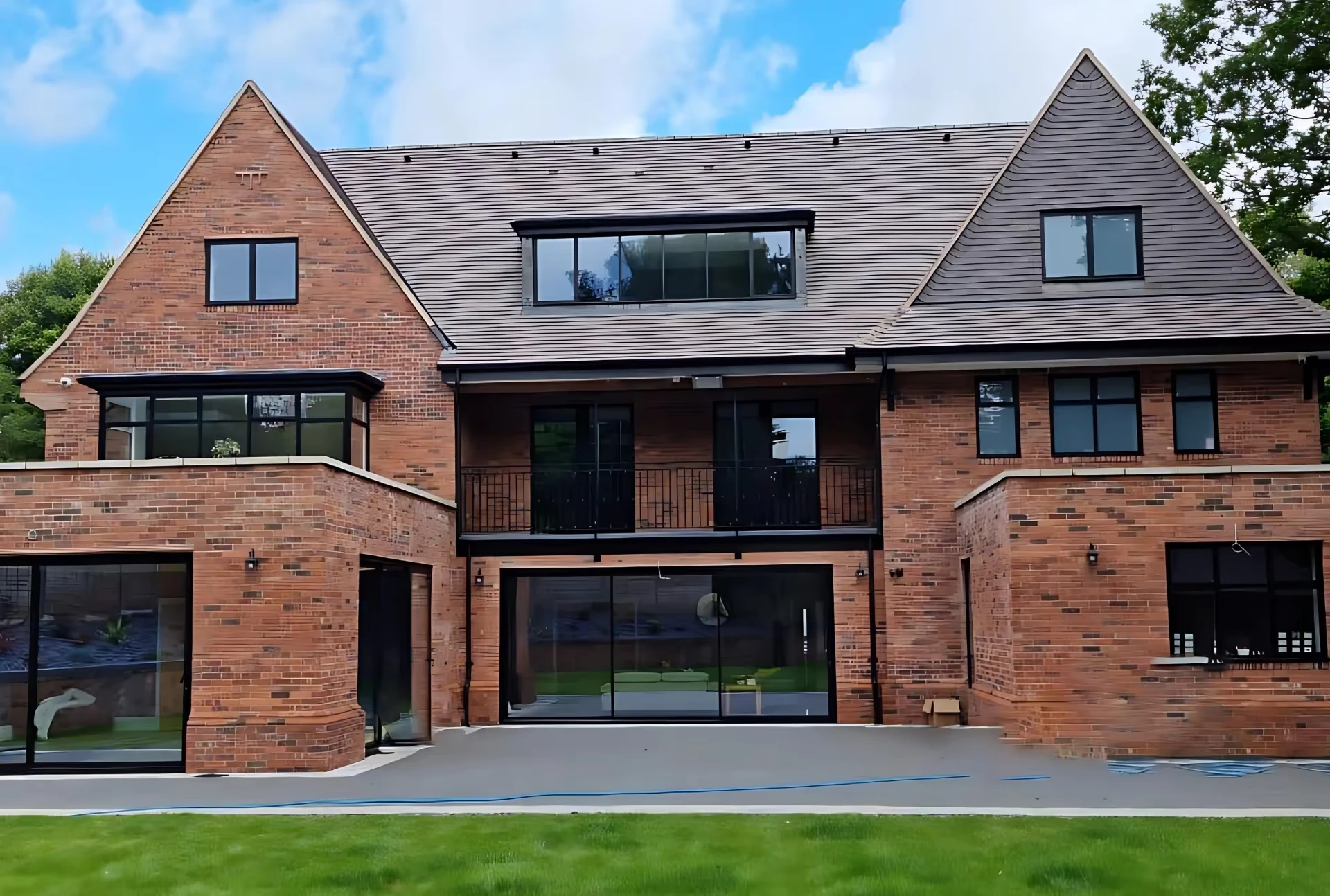

“A composite door is not just a purchase. It is a 30‑year decision about your home's security, energy efficiency, and first impression. In 2026, getting that decision right has never been more important.”
In 2026, composite doors will no longer be a niche option. They are the standard for UK homeowners who want strength, style, and long‑term value. Unlike hollow uPVC models, composite doors are engineered with multiple layers that deliver superior insulation and security. The real question is not whether they are worth the investment, but whether you choose the right supplier to ensure quality and longevity.
As one of Birmingham’s specialist composite door manufacturers, Klassic Trade Frames has guided hundreds of homeowners across the West Midlands and Bath through this decision. This guide explores every aspect of composite doors in 2026, from construction and performance to lifespan and comparisons with other materials.
Get in Touch with Our Team
Looking to upgrade your home? Speak with our specialists for expert advice, quality products, and tailored solutions. Start your enquiry today and take the next step with confidence.
What Makes a Composite Door Worth the Investment in 2026?
Composite doors have become the benchmark for modern entrances. Their appeal lies in their ability to combine durability, energy efficiency, and security with design flexibility. For homeowners in Birmingham, Bath, and across the West Midlands, they represent more than just a functional upgrade. They are a statement of quality and a safeguard for the future.
Homeowners are increasingly aware that a door is not simply a barrier. It is the first impression of a property, the line of defence against intruders, and a key contributor to energy efficiency. Composite doors deliver on all these fronts, which is why they are now considered one of the most reliable home improvements available.
What Exactly Is a Composite Door?
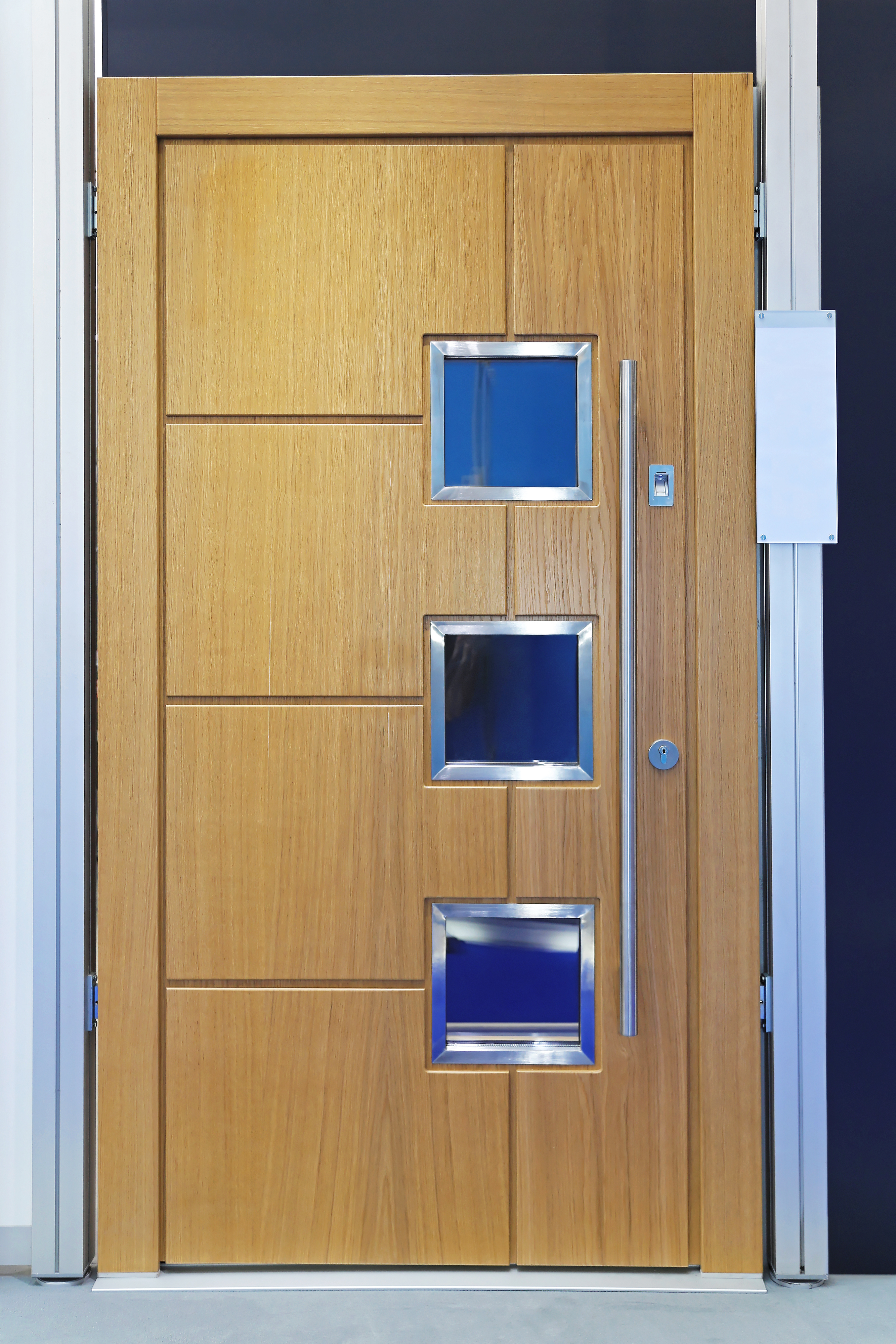
A composite door is built from a solid timber core, typically 48mm thick, encased in a Glass Reinforced Plastic (GRP) outer skin. This is combined with a high‑density foam insulation layer and a uPVC or aluminium sub‑frame. The GRP skin is six times harder than uPVC, making it exceptionally durable. With over 200 colour combinations available in 2026, composite doors offer both strength and design flexibility. This layered construction sets them apart from standard uPVC doors, which are often hollow and prone to warping.
Composite Door Options in 2026
Composite doors are available in three broad categories:
- Budget ranges for simple, functional entrances.
- Mid‑range models with enhanced locking systems and design choices.
- Premium designs with advanced glazing, custom finishes, and extended guarantees.
Demand has surged across Birmingham and Bath, with installations rising steadily year on year. Homeowners are increasingly choosing composite doors for their balance of performance and aesthetics.
Thermal Performance: Do Composite Doors Actually Save Money on Bills?
Composite doors achieve U‑values of 0.8-1.2 W/m²K, outperforming timber and standard uPVC. Industry data shows they can reduce door‑related heat loss by up to 35 per cent compared to older uPVC models. For a typical three‑bed semi‑detached property in the West Midlands, this translates into measurable annual energy savings. In areas like Moseley and Kings Heath, where Victorian terraces often suffer from draughts, composite doors provide a noticeable improvement in thermal efficiency.
Security Ratings: Are Composite Doors Actually Safer?
Security is a defining feature of composite doors. All reputable models meet PAS 24:2022 standards, ensuring compliance with UK Building Regulations. Many are also accredited by Secured by Design, the police‑backed initiative that significantly reduces burglary risk. Multi‑point locking systems with five or more locking points are standard, while anti‑snap and anti‑drill cylinders provide further protection. Comparative testing shows that composite doors withstand far more forced-entry attempts than uPVC equivalents.
Lifespan and Maintenance: The Long‑Term Maths
Composite doors typically last 30 to 35 years with minimal maintenance. By contrast, uPVC doors often require repainting or replacement after 20 to 25 years, while timber doors may deteriorate within 10 to 20 years. Maintenance for composite doors is straightforward: wipe‑clean surfaces and annual checks of seals and hardware. When viewed as cost per year, composite doors deliver excellent value, combining longevity with reduced upkeep.
Composite Doors vs uPVC vs Aluminium: 2026 Comparison
Composite doors balance durability, thermal efficiency, and security in ways that uPVC and aluminium alternatives cannot fully match. uPVC remains a budget option, but it lacks the lifespan and resilience of composite. Aluminium excels in large, glazed openings and bifold door installation, offering slim profiles and modern aesthetics. Composite doors, however, provide the strongest all‑round case for traditional entrances, blending performance with design flexibility.
Request a Composite Door Quote Today
Speak with our specialists to explore styles, colours, and secure options tailored to your property.
Why Klassic Trade Frames Are the Best Composite Door Manufacturers in Birmingham That Homeowners Can Trust?
The company has built a strong reputation for quality and reliability across Birmingham, Bath, and the wider West Midlands. This part highlights the company’s background, product range, and how composite doors integrate with other upgrades, such as modern sash windows and aluminium tilt-and-turn windows.
Who Are Klassic Trade Frames?
Klassic Trade Frames has operated for decades across Birmingham, the West Midlands, Bath, and the Southwest. With thousands of installations completed, the company offers a wide product range, including composite doors, aluminium door supply, bifold door installation, sash windows, and uPVC tilt-and-turn windows. Unlike brokers, we operate as a direct manufacturer and installer, ensuring customers benefit from competitive trade prices without restrictions.
Composite Doors and Modern Sash Windows: The Complete Home Upgrade
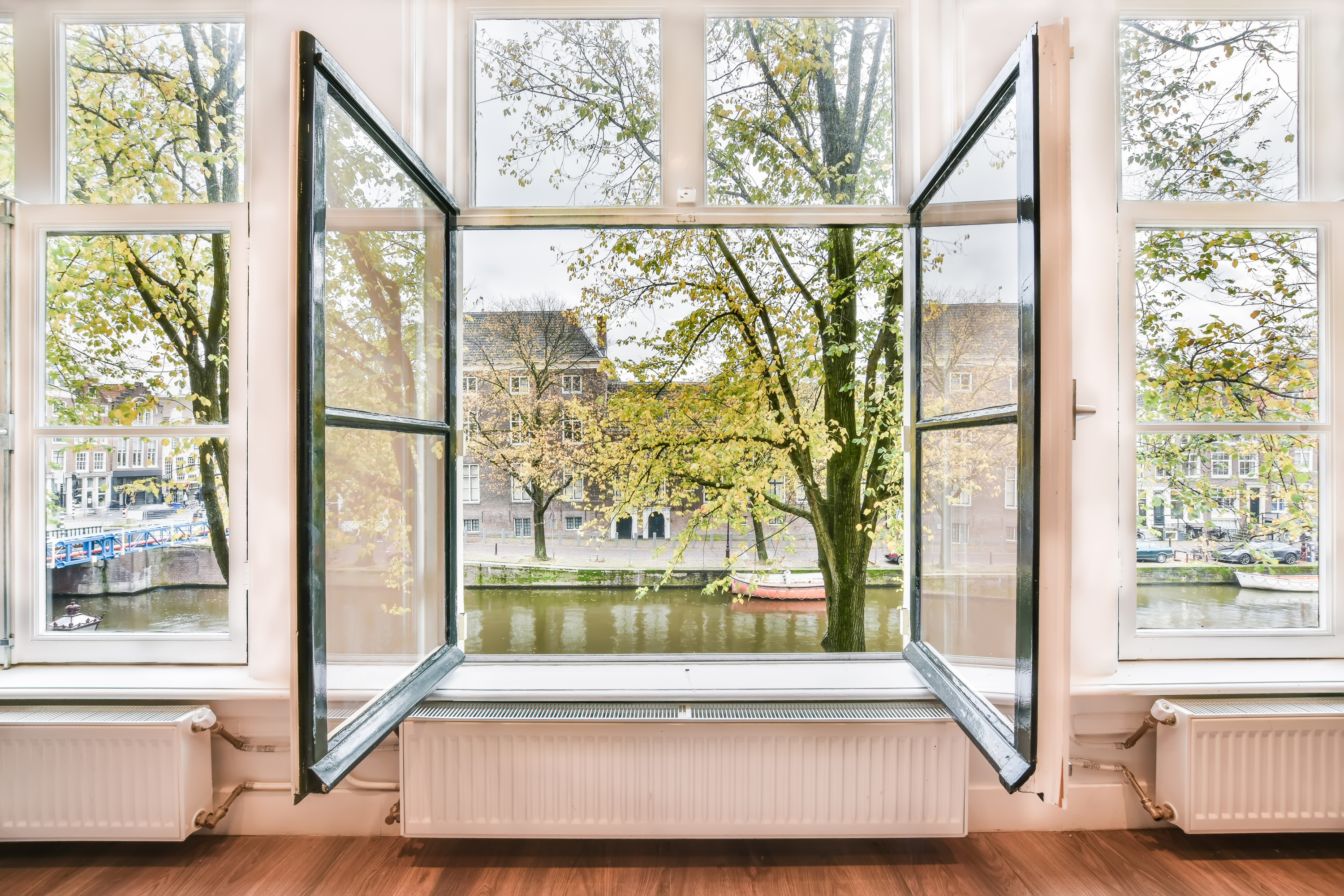
If you are investing in a composite door in 2026, it is worth considering whether your windows are performing to the same standard. Vertical sliding sash windows are designed to complement composite door profiles, particularly in Victorian and Edwardian homes across Birmingham, Solihull, and Bath. They provide both aesthetic harmony and functional efficiency, making them the natural companion upgrade.
Explore Our Windows and Doors Collection
Enhance your home with expertly crafted windows and doors designed for style, security, and energy efficiency.
Is 2026 the Right Time to Buy a Composite Door?
With installations rising and energy efficiency standards tightening, 2026 is an ideal time to invest. Composite doors combine durability, security, and thermal performance in one product. For homeowners considering bifold door installation or uPVC tilt-and-turn windows, aligning upgrades ensures consistency across the property. Composite door manufacturers are reporting record demand, and with guarantees extending beyond a decade, the timing is favourable for long‑term value.
Conclusion
Composite doors in 2026 deliver measurable benefits: lifespans of 30 to 35 years, U‑values as low as 0.8 W/m²K, and burglary resistance far stronger than uPVC. For Birmingham and Bath homeowners, they represent a smart investment in both security and efficiency. Klassic Trade Frames provides trusted expertise and direct manufacturing, ensuring every installation meets the highest standards.
FAQ
1: How much does a composite door cost to supply and fit in Birmingham in 2026?
Answer: In Birmingham, composite door packages vary depending on size, colour, glazing, and security specification. Mid‑range options suit most homeowners, while premium designs offer extended guarantees and advanced finishes. Always request a written quote that separates supply, installation, and VAT costs.
2: How long do composite doors last compared to uPVC?
Answer: A quality composite door lasts 30 to 35 years with minimal maintenance, compared to 20 to 25 years for a standard uPVC door. The GRP skin resists warping and discolouration, while most composite door manufacturers offer a 10‑year guarantee as standard.
3: Are composite doors more secure than uPVC?
Answer: Yes. PAS 24:2022 certified composite doors resist forced entry far more effectively than hollow uPVC doors. Secured by Design accreditation reduces burglary risk by up to 70 per cent, according to 2024 data.
4: Do composite doors need planning permission in Bath or Birmingham?
Answer: In most cases, no. Replacing a like‑for‑like door is permitted development. Properties in conservation areas, such as central Bath or Edgbaston, may require consent. Our team advises Bath clients on compliance during surveys.
5: What is the difference between a composite door and an aluminium door?
Answer: Composite doors use a GRP skin over a timber core, while aluminium doors offer slimmer profiles and longer lifespans. Aluminium door manufacturers often supply premium options, particularly suited to bifold door installation.
6: Can I get a composite door that matches my sash windows?
Answer: Yes, we offer colour‑matched composite doors and sash windows using RAL coding. For Bath properties with aluminium tilt-and-turn windows installer bath, frame profiles, and finishes can be matched for consistency.
7: How long does composite door installation take?
Answer: A standard installation takes 3 to 5 hours. If frames need replacing, allow a full day. Our teams cover Birmingham, Solihull, Bath, and the West Midlands, with most installations completed within 2 to 4 weeks of order confirmation.
Ready to get started?
Speak with our team for expert advice, tailored solutions, and clear pricing. We are here to help you take the next step with confidence.
Contact Us
Call: 0121 713 0050
Email: [email protected]
Address: Unit 2, Seeley’s Park Industrial Estate, Seeley’s Road, Tyseley, Birmingham, B112LR
Follow Us
Please stay connected with us for more insights and updates on Klassic Trade Frames.
Instagram: www.instagram.com/klassictradeframes
Facebook: www.facebook.com/p/Klassic-Trade-Frames-Ltd-61577621549027/



























Sign in to leave a comment.