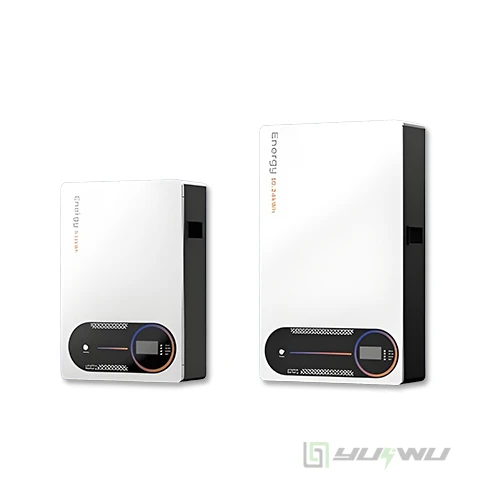

In today’s rapidly evolving energy landscape, energy storage batteries have emerged as a critical technology for balancing supply and demand, integrating renewable energy, and enhancing grid reliability. These innovative systems not only support environmental sustainability but also pave the way for a resilient energy infrastructure.
Energy storage batteries come in various forms, with lithium-ion batteries currently dominating the market due to their high energy density and long life cycles. However, alternatives like lead-acid, sodium-sulfur, and emerging flow batteries offer different advantages and challenges depending on specific applications. This diversity in battery technology allows industries, utilities, and consumers to select systems that best match their energy requirements and economic constraints.
One of the primary benefits of energy storage is its ability to harness intermittent renewable energy sources such as solar and wind. Renewable energy production fluctuates with weather and daylight conditions, making energy storage indispensable for smoothing out these inconsistencies. By storing excess energy during periods of high generation and releasing it during times of low output, energy storage batteries enable a steady and reliable power supply. This capability is crucial not only for maintaining grid stability but also for reducing reliance on fossil fuels, thus cutting down greenhouse gas emissions.
Technological advancements in battery research continue to drive improvements in performance and safety. Innovations in battery chemistry have led to increased energy capacity, faster charging times, and longer cycle lives. Researchers are also exploring new materials, such as solid electrolytes, which could enhance battery performance and minimize the risk of thermal runaway—a critical safety concern in high-capacity batteries. In addition to these technical improvements, cost reductions are gradually making advanced battery systems more accessible for large-scale applications, including grid storage and electric vehicles.
The economic benefits of energy storage batteries extend beyond improved grid management. They offer significant cost savings in energy management by reducing peak demand charges and enabling energy arbitrage. With the ability to store energy during off-peak hours and discharge it when prices rise, consumers and businesses can lower their overall electricity bills. For utilities, distributed energy storage systems can reduce the need for expensive grid upgrades and offer a buffer against fluctuating energy markets. Moreover, as the battery recycling industry matures, the sustainability of energy storage systems is likely to improve, addressing concerns related to resource depletion and environmental impact.
Despite these promising advancements, several challenges remain. The initial investment for energy storage systems can be substantial, and there is an ongoing need for regulatory frameworks that encourage their widespread adoption. Furthermore, ensuring the efficient and safe disposal or recycling of used batteries is an environmental challenge that must be addressed as the scale of deployment increases. Research into second-life applications—where retired batteries from electric vehicles are repurposed for stationary storage—offers a potential solution to these issues by extending the useful life of battery materials.
Looking ahead, energy storage batteries are expected to play an increasingly central role in the transition toward a smarter and more sustainable energy grid. With ongoing improvements in technology, cost, and safety, these systems are poised to become a backbone of modern energy management. As countries around the world strive to meet ambitious climate goals, the integration of advanced energy storage solutions will be key to reducing carbon emissions and ensuring a reliable energy supply for the future.
In conclusion, energy storage batteries are not just about storing power—they represent a transformative shift in how we generate, distribute, and consume energy. Their ability to support renewable energy integration, stabilize power grids, and reduce costs makes them indispensable in our pursuit of a greener and more resilient energy system. As technology advances and economies adapt, energy storage batteries will undoubtedly continue to shape the future of energy, driving us toward a more sustainable and efficient world.






























Sign in to leave a comment.