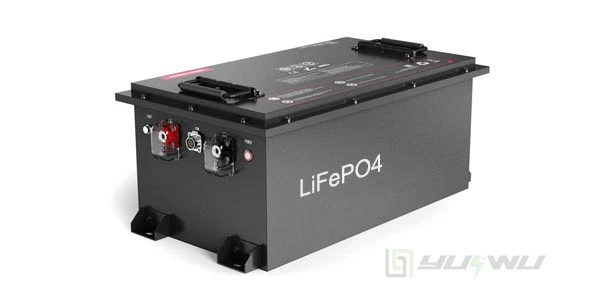

Golf carts have long been a staple on courses, campuses, and resort communities. Traditionally powered by lead-acid batteries, these vehicles are now increasingly embracing lithium battery technology—a shift that is transforming the way we think about electric mobility. This article explores the benefits, challenges, and future prospects of golf cart lithium batteries, highlighting how they are revolutionizing the game and beyond.
Lithium batteries offer a host of advantages over conventional lead-acid models. One of the most significant benefits is their lighter weight. A lithium battery is substantially lighter than its lead-acid counterpart, which means the overall weight of the golf cart is reduced. This improvement in weight distribution can lead to enhanced performance, allowing the cart to accelerate faster and handle more efficiently on winding courses. Moreover, the lighter weight minimizes wear and tear on the cart’s suspension and tires, reducing long-term maintenance costs.
Another critical advantage is the longer lifespan of lithium batteries. While lead-acid batteries often require replacement every three to five years, lithium batteries can typically last for eight to ten years with proper care. This extended lifespan not only translates to cost savings for golf course operators and individual owners but also reduces the environmental footprint associated with battery disposal and recycling. With fewer replacements needed, lithium batteries contribute to a more sustainable approach in powering electric vehicles.
Fast charging is yet another remarkable feature of lithium batteries. Compared to lead-acid batteries, which can take several hours to recharge fully, lithium batteries can reach full capacity in a fraction of the time. This rapid recharge ability minimizes downtime, allowing golf carts to be in service more consistently during busy periods. For golf courses with high customer turnover or communities that rely on electric carts for daily transportation, this means improved operational efficiency and better overall user satisfaction.
The superior energy density of lithium batteries further enhances their appeal. With a higher energy output per unit of weight, these batteries can power golf carts over longer distances on a single charge. This extended range is particularly beneficial in large resorts, expansive campuses, or during tournaments when carts are expected to cover significant ground. Additionally, lithium batteries are known for their ability to perform well in a wide range of temperatures, ensuring reliable operation even during extreme weather conditions.
Safety is also a crucial factor in the adoption of lithium batteries. Modern lithium battery systems are equipped with advanced battery management systems (BMS) that monitor charging, temperature, and overall battery health. This level of monitoring helps prevent issues such as overcharging or overheating, which can be hazards in older battery systems. As a result, golf cart operators can enjoy peace of mind knowing that their vehicles are powered by technology that prioritizes both performance and safety.
Despite these advantages, the transition to lithium batteries is not without its challenges. The initial investment in lithium technology can be higher than that for traditional lead-acid batteries, which may deter some operators with limited budgets. However, the long-term savings in maintenance, energy efficiency, and replacement costs often justify this higher upfront expense. Furthermore, as demand for lithium batteries increases and production scales up, prices are expected to become more competitive.
Looking ahead, the future of golf cart lithium batteries appears promising. Ongoing advancements in battery chemistry and management systems continue to drive improvements in performance, durability, and cost-effectiveness. As sustainability becomes an ever more critical consideration, the shift to cleaner and more efficient power sources in electric vehicles like golf carts is likely to accelerate. This evolution not only benefits the environment but also enhances the overall experience for users, making golf courses and other communities greener, quieter, and more efficient.
- In conclusion, lithium battery technology is set to revolutionize the golf cart industry. With benefits such as reduced weight, longer lifespan, fast charging capabilities, higher energy density, and enhanced safety features, lithium batteries offer a compelling alternative to traditional lead-acid systems. Although the initial cost may be higher, the long-term economic and environmental advantages make lithium batteries a wise investment for the future of electric mobility.Golf Cart Lithium Battery




























Sign in to leave a comment.