


As supply chains stretch across wider territories, logistics has become a discipline rooted in engineering accuracy rather than simple transportation. Cross-country freight delivery sits at the center of this evolution. It connects manufacturers to markets, suppliers to distribution hubs, and businesses to end consumers across vast national distances. Every successful long-haul shipment reflects a balance of planning, technology, compliance, and execution working in precise coordination.
The Complexity Behind National Freight Movement
Moving cargo across an entire country is fundamentally different from regional transport. Cross-country freight delivery must account for geographic diversity, infrastructure variation, and fluctuating transit conditions. A single route may cross industrial zones, mountain passes, agricultural regions, and dense metropolitan corridors. Each environment introduces unique operational challenges that require anticipation rather than reaction.
Freight classification plays a critical role at the planning stage. Weight, volume, fragility, and time sensitivity determine equipment selection, route design, and handling protocols. Without this structured analysis, inefficiencies multiply rapidly over long distances.
Strategic Route Design and Corridor Analysis
National logistics efficiency is built on corridor intelligence. Rather than relying on fixed paths, modern logistics systems analyze freight corridors using historical data, traffic behavior, weather volatility, and infrastructure performance. This approach enables routes that minimize congestion exposure while preserving transit reliability.
Dynamic routing capabilities add another layer of control. When disruptions arise—road closures, regulatory inspections, or climate-related delays—routes are recalculated in near real time. This adaptability ensures cross-country freight delivery remains resilient under variable operating conditions, preserving delivery commitments without escalating costs.
Fleet Engineering and Long-Haul Reliability
Fleet configuration directly influences long-distance freight outcomes. Tractor units designed for sustained operation must deliver consistent torque, thermal stability, and fuel efficiency over extended mileage. Trailer selection is equally critical. Reinforced dry vans, temperature-regulated units, and flatbeds are matched precisely to cargo specifications.
Telematics systems convert vehicles into data-generating assets. Metrics such as engine performance, braking patterns, tire pressure, and idle duration are continuously monitored. Over thousands of kilometers, these insights reduce mechanical failure rates and improve asset longevity, creating measurable efficiency gains in cross-country freight delivery operations.
Regulatory Precision Across State and Regional Boundaries
Long-distance freight movement operates within a mosaic of regulations. Driver hours-of-service rules, load restrictions, emissions standards, and safety compliance requirements vary across jurisdictions. Failure to align with these mandates introduces delays, fines, and reputational risk.
A disciplined compliance framework ensures documentation accuracy, permit validity, and operational consistency throughout the journey. This regulatory precision is not administrative overhead; it is a core operational safeguard that protects schedule integrity in national freight movements.
Digital Systems and End-to-End Visibility
Technology has transformed long-haul logistics into a transparent, data-driven function. Transportation management platforms centralize shipment planning, dispatch coordination, and carrier performance tracking. Stakeholders gain real-time insight into shipment location, transit milestones, and expected arrival windows.
Predictive analytics further strengthen decision-making. By correlating shipment histories with external variables such as weather cycles and traffic density, logistics teams can forecast potential delays. This foresight allows preemptive adjustments, reducing uncertainty and improving reliability in cross-country freight delivery.
Risk Control and Cargo Integrity
Extended transit distances naturally increase risk exposure. Theft, handling damage, and environmental stress are persistent threats during national freight movement. Mitigating these risks requires a layered strategy that blends physical security with digital oversight.
GPS tracking, geofencing alerts, electronic seals, and condition sensors create continuous cargo visibility. In parallel, contingency frameworks define alternative routes, backup carriers, and emergency response protocols. This structured preparedness ensures continuity even when disruptions occur, reinforcing trust across long-haul supply chains.
Sustainability as an Operational Imperative
Environmental considerations now influence logistics architecture as much as cost and speed. Long-distance freight contributes significantly to fuel consumption and emissions, making efficiency optimization essential. Aerodynamic vehicle designs, intelligent load consolidation, and fuel-efficient powertrains reduce environmental impact per shipment.
Where feasible, integrating rail for extended segments further improves sustainability outcomes. Responsible cross-country freight delivery aligns operational efficiency with environmental stewardship, supporting long-term supply chain resilience.
Integrated Execution at Scale
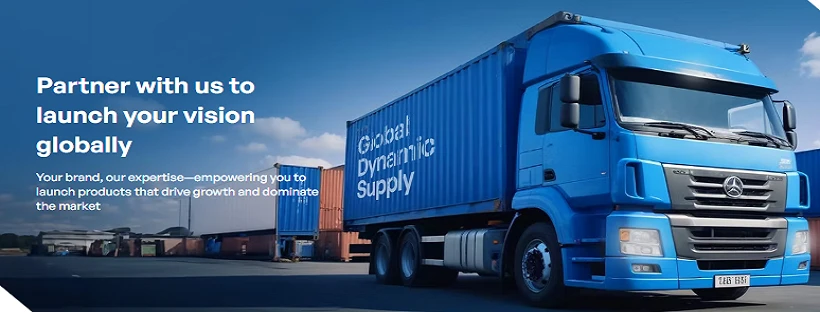
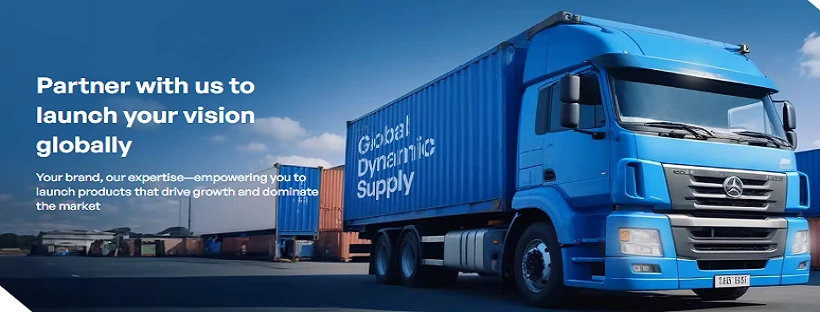
Managing national freight movement demands orchestration rather than isolated actions. Global Dynamic Supply Limited operates through an integrated logistics model that aligns fleet management, digital systems, compliance governance, and performance analytics into a unified execution structure. This integration enables consistent service quality across complex geographic networks.
By synchronizing planning and execution, logistics operations transition from reactive problem-solving to proactive performance management. The result is predictable delivery, controlled cost structures, and scalable national coverage.
Conclusion
Cross-country freight delivery represents the most demanding expression of logistics capability. It requires precise planning, intelligent routing, resilient fleets, regulatory discipline, and advanced technology working in concert. Distance alone is not the challenge; managing complexity across that distance is the true measure of performance.
As supply chains continue to expand and customer expectations rise, excellence in national freight movement becomes a decisive competitive advantage. Organizations that engineer their long-haul logistics with discipline and foresight position themselves for sustained reliability in an increasingly interconnected commercial landscape.



Sign in to leave a comment.