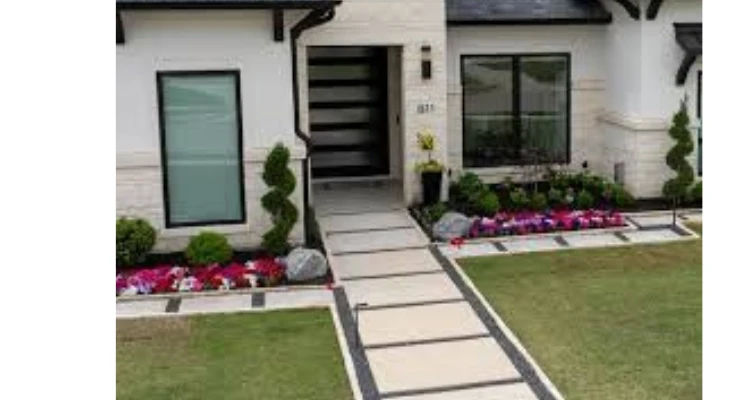

A well-built retaining wall is both a practical necessity and a design feature that elevates your property’s landscape. Retaining wall construction plays a vital role in managing soil, preventing erosion, and creating usable outdoor spaces on sloped terrain. Beyond functionality, modern retaining walls bring visual appeal, defining garden zones, terraces, and entryways with structure and style.
Whether for residential backyards or commercial landscapes, a professionally designed retaining wall enhances durability, drainage, and aesthetic value — turning uneven land into a stable, beautiful outdoor environment.
Understanding Retaining Wall Construction
Retaining walls are engineered structures designed to hold back soil and control water runoff. They are commonly used to:
- Prevent soil erosion
- Manage slopes and elevation changes
- Support driveways, patios, or raised garden beds
- Add visual structure to landscaping designs
Retaining wall construction blends engineering precision with aesthetic design, ensuring that the wall not only performs its job effectively but also complements the overall look of the property.
Modern retaining walls can be built from a wide range of materials such as concrete blocks, natural stone, bricks, timber, or reinforced earth systems — each chosen based on site conditions, budget, and desired appearance.
The Purpose of Retaining Walls in Landscaping
Retaining walls are more than simple barriers; they’re essential elements that make difficult landscapes both functional and attractive.
- Erosion Control – Walls prevent soil displacement caused by rain or irrigation, keeping your landscape stable.
- Maximizing Usable Space – They turn sloped or uneven areas into level, usable zones for gardens, patios, or walkways.
- Enhanced Property Value – A well-constructed retaining wall adds beauty, functionality, and resale appeal.
- Water Management – Properly designed retaining walls help direct runoff and prevent flooding.
- Aesthetic Appeal – With the right design, retaining walls can serve as decorative focal points that enhance landscape design.
Retaining walls merge engineering and art — they’re the invisible heroes that shape outdoor spaces while blending naturally with the surroundings.
Types of Retaining Walls
Each retaining wall type is designed to serve specific purposes depending on soil conditions, slope, and intended use.
1. Gravity Retaining Walls
These walls rely on their own weight and mass to resist soil pressure. Built with stone, concrete, or masonry blocks, they are ideal for smaller slopes and decorative applications.
2. Cantilever Retaining Walls
Constructed from reinforced concrete, these walls use a base slab and stem to counterbalance the pressure from the retained soil. They are suitable for larger and more demanding projects.
3. Sheet Pile Retaining Walls
Used in areas with limited space or loose soil, sheet piles are driven deep into the ground. Common materials include steel, vinyl, or wood.
4. Anchored Retaining Walls
These walls include additional reinforcement using anchors or cables embedded in the soil for added strength. They are excellent for high-load or steep terrain applications.
5. Segmental Retaining Walls
Built from interlocking concrete blocks, these modular systems are easy to install, flexible, and visually appealing. They are popular in residential landscapes for their versatility and strength.
Understanding the right type of wall for your property ensures long-term stability and performance.
Steps in Retaining Wall Construction
Professional retaining wall construction follows a series of well-defined steps to guarantee safety, durability, and visual harmony.
1. Site Assessment and Planning
Experts begin by analyzing soil composition, slope, and drainage patterns. This determines the wall’s height, material, and structural design requirements.
2. Excavation and Foundation Preparation
The foundation is crucial for stability. Contractors dig a trench to the proper depth and width, ensuring a solid base with compacted gravel or concrete.
3. Material Selection
Choosing the right material depends on the wall’s purpose and desired appearance. Concrete blocks and natural stones are durable and blend well with most landscapes.
4. Drainage Installation
Proper drainage is vital to prevent hydrostatic pressure — the buildup of water behind the wall. A layer of gravel, perforated drain pipe, or weep holes helps manage water flow efficiently.
5. Wall Construction
Blocks or stones are laid carefully in successive layers, ensuring each course is level and tightly aligned. Reinforcement, if required, is added for strength.
6. Backfilling and Compaction
After each layer, backfill material (gravel or soil) is compacted behind the wall. This step maintains balance and prevents shifting.
7. Finishing and Landscaping
Once the wall is complete, the area is graded and landscaped with plants, mulch, or decorative stone to enhance appearance and prevent erosion.
A well-executed construction process ensures your retaining wall remains stable and visually appealing for decades.
Common Materials Used in Retaining Walls
Each material offers unique benefits depending on the desired function, budget, and style.
- Concrete Blocks: Highly durable, versatile, and available in multiple designs. Ideal for both residential and commercial applications.
- Natural Stone: Offers timeless beauty and blends seamlessly with the surrounding environment.
- Brick or Masonry: Creates a classic, structured look suitable for traditional properties.
- Timber: Provides a rustic appeal, perfect for garden borders or smaller retaining projects.
- Gabion Walls: Wire cages filled with stones — a modern, eco-friendly option for erosion control.
- Poured Concrete: Durable and ideal for taller walls requiring maximum strength.
Material choice impacts not only the wall’s durability but also the landscape’s overall style.
The Role of Drainage in Retaining Wall Construction
One of the most critical aspects of retaining wall construction is drainage management. Without proper drainage, trapped water behind the wall can create immense pressure, leading to cracks, bulging, or collapse.
Professional contractors integrate:
- Perforated Drain Pipes: Installed behind the base of the wall to carry away excess water.
- Weep Holes: Small openings that allow water to escape naturally.
- Backfill Gravel: Promotes easy water movement and prevents soil compaction.
Effective drainage systems not only protect your wall but also extend its lifespan by reducing pressure and preventing damage.
Design Considerations for Retaining Walls
When planning a retaining wall, design is just as important as engineering. Professionals focus on both functionality and aesthetics to create walls that enhance the landscape.
- Wall Height and Load: Determines the required structural support and materials.
- Curves and Angles: Soft curves or terraces add dimension and interest to the design.
- Color and Texture: Materials like stone, brick, or decorative blocks can complement the home’s exterior.
- Integration with Landscaping: Incorporating plants, lighting, or seating areas creates a cohesive outdoor look.
- Accessibility and Safety: Handrails or steps may be added to improve usability on sloped terrain.
A well-designed retaining wall blends seamlessly into your landscape, adding both character and functionality.
Residential Retaining Wall Construction
For homeowners, retaining walls solve practical issues like sloping yards or soil erosion while improving outdoor aesthetics.
Common residential applications include:
- Supporting garden terraces and flower beds
- Creating level patios or play areas
- Managing driveways or poolside elevations
- Adding decorative borders or seating walls
Residential retaining walls not only improve the appearance of your property but also make it safer and easier to maintain.
Commercial Retaining Wall Construction
In commercial and industrial settings, retaining walls serve as critical infrastructure components. They support parking lots, pathways, and landscaped public areas.
Key advantages include:
- Structural support for heavy loads
- Improved drainage and erosion control
- Long-term durability with minimal maintenance
- Enhanced property aesthetics for businesses and developments
Commercial retaining walls are typically constructed using reinforced concrete or segmental systems to meet strict engineering standards.
Sustainable Retaining Wall Solutions
Sustainability plays a growing role in modern retaining wall design. Eco-conscious builders use materials and methods that minimize environmental impact.
- Recycled Concrete or Stone: Reduces waste while maintaining strength.
- Permeable Designs: Allow water to pass through, reducing runoff.
- Native Plant Integration: Adds greenery and stabilizes soil naturally.
- Energy-Efficient Production: Choosing locally sourced materials lowers transportation emissions.
Sustainable construction enhances both the appearance and ecological balance of your outdoor space.
Benefits of Professional Retaining Wall Installation
While small walls may seem simple to build, professional expertise ensures safety, precision, and long-lasting results.
- Structural Integrity: Engineers calculate pressure loads and ensure proper reinforcement.
- Compliance with Local Codes: Professionals adhere to building regulations and permit requirements.
- Efficient Drainage: Correct water management prevents long-term damage.
- Custom Design: Tailored solutions that match your property’s design.
- Warranty and Maintenance: Quality contractors often provide guarantees for peace of mind.
Hiring a professional ensures that your retaining wall stands strong, performs effectively, and adds enduring value to your property.























Sign in to leave a comment.