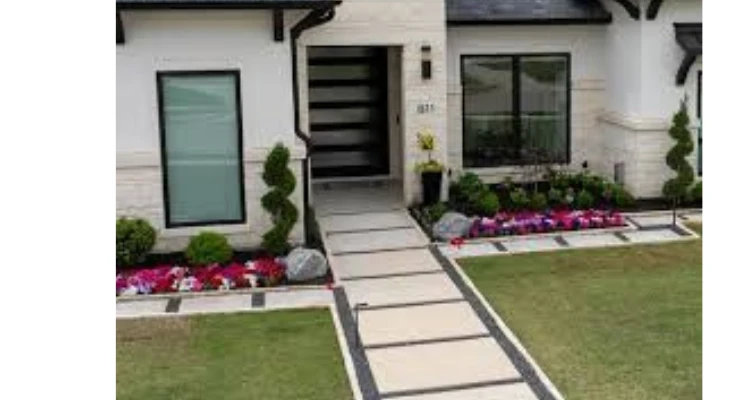

When you think of home improvement, interior design often comes to mind first. However, the exterior of your property is equally important—it’s the first thing visitors see and where you can enjoy the beauty of nature. This is where landscape construction comes in. Unlike simple gardening, landscape construction focuses on building the hardscape and structural elements of outdoor spaces, ensuring durability, function, and beauty.
What Is Landscape Construction?
Landscape construction refers to the process of creating, building, and installing structural features in outdoor spaces. It goes beyond planting flowers or trimming lawns—it involves adding patios, walkways, retaining walls, irrigation systems, water features, and other long-lasting elements.
Think of it as building the “bones” of your outdoor area. Once constructed, these features serve as the foundation that enhances both aesthetics and functionality.
Key Components of Landscape Construction
Professional landscape construction involves a wide range of services, such as:
- Hardscaping
- Patios, decks, and seating areas.
- Walkways, pathways, and driveways.
- Retaining walls for support and structure.
- Drainage and Irrigation
- Proper drainage systems prevent flooding and erosion.
- Irrigation systems ensure healthy, thriving lawns and gardens.
- Outdoor Living Areas
- Fire pits, outdoor kitchens, and pergolas that expand your living space.
- Water Features
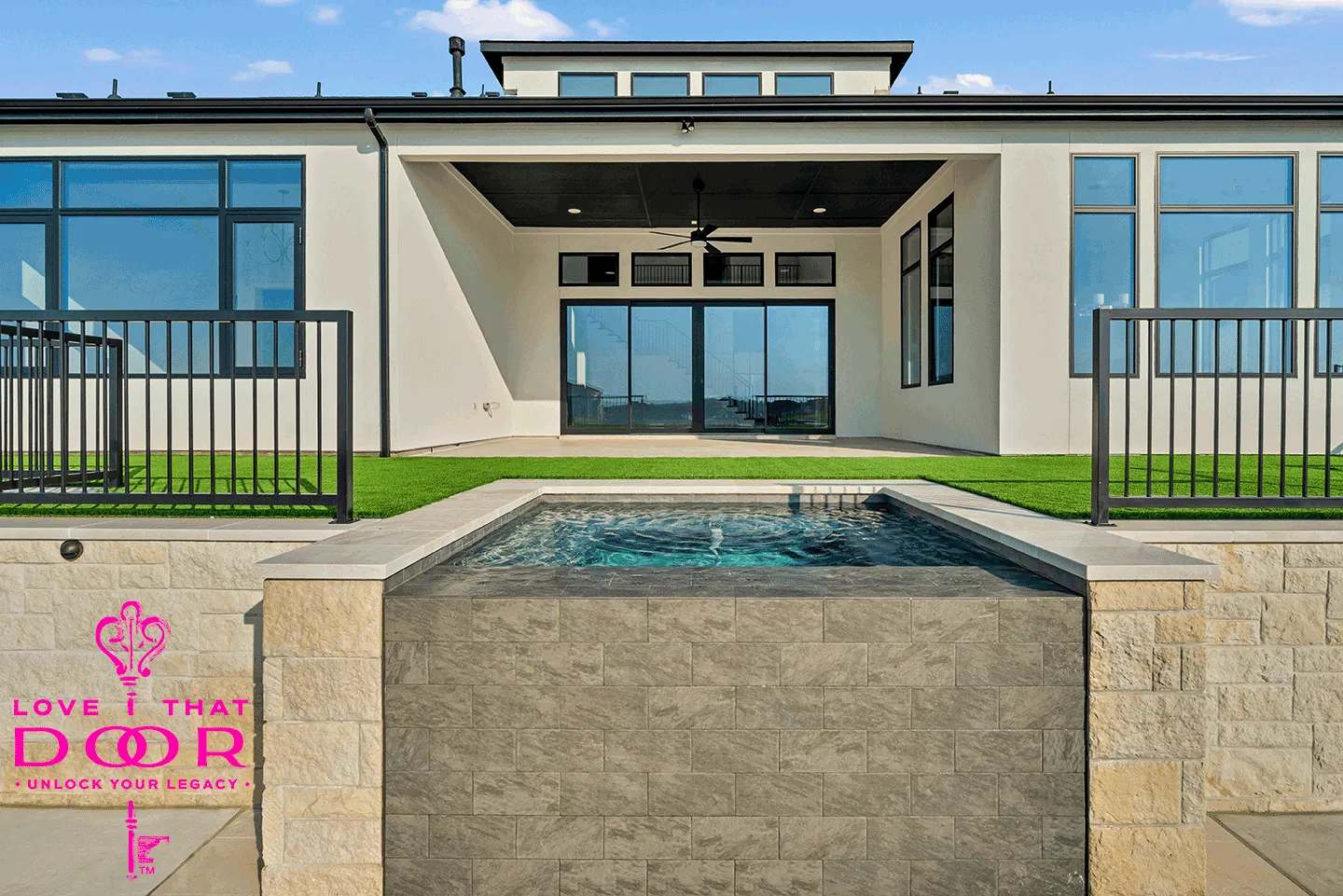
- Fountains, ponds, or waterfalls that add elegance and tranquility.
- Lighting Installation
- Landscape lighting for ambiance and safety.
Benefits of Professional Landscape Construction
Investing in professional landscape construction offers several advantages:
- Enhanced curb appeal – A well-constructed landscape makes your property stand out.
- Durability – Built to last, hardscaping features can withstand weather and time.
- Functionality – Outdoor areas become usable spaces for gatherings and relaxation.
- Low maintenance – With proper design, you’ll spend less time on upkeep.
- Increased property value – A thoughtfully constructed landscape can boost your home’s market worth.
Landscape Construction vs. Landscaping
While the terms sound similar, there’s a difference:
- Landscaping focuses on plants, lawns, and seasonal maintenance.
- Landscape construction is about structural and permanent elements.
Together, they create a complete outdoor experience—softscapes add beauty, while hardscapes bring strength and function.
Residential vs. Commercial Landscape Construction
- Residential projects focus on creating relaxing, functional spaces for families. This might include patios, backyard fire pits, or garden walkways.
- Commercial projects are larger in scale and focus on enhancing property appearance, accessibility, and safety—such as parking lot landscaping, outdoor seating areas, or drainage solutions.
Why Hire Experts for Landscape Construction?
DIY landscaping might work for small gardening projects, but when it comes to construction, hiring professionals is the smart choice. Here’s why:
- Technical expertise – Professionals know how to design durable and safe structures.
- Access to quality materials – Contractors source better supplies for long-lasting results.
- Time efficiency – Experts complete projects faster and with fewer errors.
- Comprehensive planning – They integrate design, functionality, and sustainability.
- Value for money – High-quality construction prevents costly repairs later.
Modern Trends in Landscape Construction
Homeowners today are embracing fresh ideas in landscape construction:
- Eco-friendly designs using sustainable materials.
- Outdoor kitchens and entertainment zones for gatherings.
- Smart irrigation and lighting systems for convenience and efficiency.
- Minimalist hardscapes with clean, modern lines.
- Multi-functional spaces that serve as both relaxation spots and play areas.
Steps in a Successful Landscape Construction Project
- Consultation and design planning – Understanding your goals and vision.
- Site preparation – Grading, excavation, and preparing the land.
- Construction phase – Building hardscapes, drainage systems, and other features.
- Installation of plants and softscapes – Completing the natural look.
- Final touches – Lighting, décor, and finishing elements.























Sign in to leave a comment.