

Heavy machinery is essential for construction, infrastructure development, oil and gas operations, and industrial projects throughout Oman. Equipment such as excavators, loaders, cranes, generators, and compressors must remain in good working condition to support daily operations. Regular inspections, timely repairs, and suitable replacement components help businesses reduce downtime and maintain productivity.
Heavy Equipment Repair Expertise is an important service for companies that depend on machinery for demanding applications. Mechanical failures, hydraulic leaks, electrical faults, and engine problems can interrupt operations and increase maintenance costs. Professional repair and refurbishment help identify these issues, restore equipment functionality, and extend the useful life of machinery.
Azaiba United provides equipment-related services through its repair, engineering, spare parts, rental, automotive, and power solutions divisions. These services address different requirements associated with industrial machinery, equipment maintenance, and operational support.
Importance of Heavy Equipment Repair
Heavy machinery operates under challenging conditions, including continuous workloads, vibration, dust, high temperatures, and substantial mechanical pressure. Over time, these factors can affect the performance of engines, hydraulic systems, transmissions, and other components.
Regular maintenance and professional repairs help businesses manage these challenges.
- Minimising downtime: Timely diagnosis helps prevent avoidable interruptions.
- Maintaining performance: Proper servicing supports efficient machinery operation.
- Reducing repair expenses: Early intervention may prevent extensive component damage.
- Extending equipment lifespan: Appropriate maintenance helps preserve machinery condition.
- Supporting workplace safety: Identifying mechanical faults reduces equipment-related risks.
A planned maintenance programme also helps businesses schedule servicing, manage spare parts, and maintain more consistent project operations.
Common Heavy Equipment Problems
Heavy machinery can develop mechanical and electrical problems as components wear or operating conditions change. Recognising early warning signs allows operators to arrange inspections before minor faults become major failures.
Common equipment problems include:
- Engine overheating, unusual smoke, or reduced power.
- Hydraulic fluid leaks and slow machine movements.
- Transmission difficulties and abnormal operating noises.
- Electrical faults and starting problems.
- Excessive vibration or irregular component movement.
- Worn tyres, tracks, bearings, and mechanical assemblies.
Each problem requires an appropriate inspection to determine its underlying cause. Continuing to operate machinery with a serious fault can lead to additional damage and increased repair costs.
Engine Repair and Overhauling
Engine performance directly affects the reliability of heavy machinery. Problems involving fuel delivery, lubrication, cooling, or internal components can reduce operating efficiency and cause unexpected breakdowns.
Engine repair involves assessing the condition of the engine and determining the work needed to restore reliable operation.
Typical repair activities include:
- Engine inspection and fault diagnosis.
- Repair or replacement of worn components.
- Fuel injection and lubrication system checks.
- Cooling system inspection and maintenance.
- Engine rebuilding and overhauling where necessary.
The appropriate repair method depends on engine condition, operating hours, manufacturer specifications, and the extent of component wear. Proper assessment helps determine whether targeted repairs or a more comprehensive overhaul is required.
Hydraulic System and Transmission Maintenance
Hydraulic systems control many essential machinery functions, including lifting, digging, steering, and moving heavy loads. Transmission systems transfer power from the engine to the equipment's operating mechanisms.
Faults in these systems can affect machine control, movement, and productivity.
Important maintenance activities include:
- Inspecting hydraulic pumps, hoses, cylinders, and seals.
- Identifying fluid leaks and pressure irregularities.
- Checking hydraulic fluid condition and filtration.
- Inspecting transmission components and gear systems.
- Assessing differentials and related mechanical assemblies.
Regular inspection helps detect developing faults and maintain the performance of equipment used in construction and industrial environments.
Electrical Repairs and Generator Servicing
Electrical systems support starting mechanisms, control panels, sensors, motors, and other equipment functions. Electrical faults can prevent machinery from starting or cause inconsistent operation.
Generators also require appropriate maintenance to provide dependable power for industrial facilities, construction sites, and remote working environments.
Common maintenance requirements include:
- Electrical fault diagnosis and troubleshooting.
- Inspection of batteries, wiring, and charging systems.
- Generator testing and performance checks.
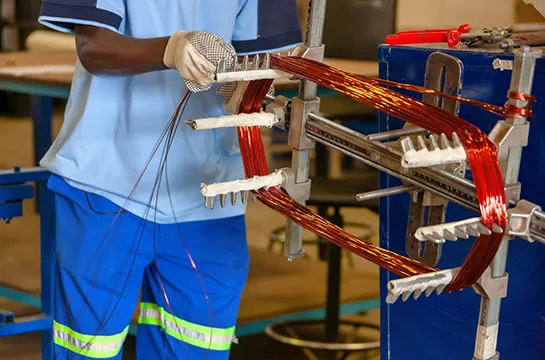
- Motor and generator rewinding where required.
- Inspection of electrical connections and control systems.
Azaiba United's power solutions division covers generator-related requirements, while its engineering capabilities support associated industrial maintenance activities.
Heavy Equipment Spare Parts
Replacement components are essential when machinery develops faults or reaches the point where worn parts need to be changed. Using suitable components helps maintain equipment compatibility and reduces the likelihood of recurring failures.
Azaiba United's Parts Division supplies components for heavy equipment, diesel engines, and material-handling machinery. Its product categories cover applications involving earthmoving equipment, forklifts, tractors, and telehandlers, as well as components associated with various engine and equipment brands.
Important considerations when replacing machinery parts include:
- Confirming the correct model and component specifications.
- Checking compatibility with the existing equipment.
- Assessing the condition of related components.
- Following appropriate installation procedures.
- Conducting operational checks after repairs.
Correct parts selection helps support reliable equipment operation and more effective maintenance planning.
Engineering, Machining, and Fabrication
Some equipment repairs require specialised machining or fabrication rather than straightforward component replacement. Damaged metal parts, worn surfaces, and heavy-duty assemblies may need precise restoration to meet intended operating requirements.
Azaiba United's Engineering Division provides machining and fabrication-related services for industrial applications. Such work can include repairs to heavy equipment components, engine component machining, and fabrication of parts according to technical requirements.
Engineering and fabrication activities may involve:
- Machining and restoration of metal components.
- Repair of equipment buckets, booms, and arms.
- Welding and fabrication work.
- Assessment of damaged mechanical assemblies.
- Hydraulic pressure testing and related inspections.
The required work depends on component specifications, damage severity, and the equipment manufacturer's requirements. A technical assessment helps determine whether a component can be repaired or should be replaced.
Equipment Rental for Industrial Projects
Construction and industrial projects often require machinery for specific periods or additional equipment to meet changing workloads. Rental services can provide temporary access to equipment without requiring an immediate purchase.
Azaiba United's Equipment Rental Division covers equipment requirements involving power generation, compressed air, welding, site lighting, and water removal.
Rental equipment may support activities such as:
- Temporary power supply at construction sites.
- Compressed air applications in industrial environments.
- Welding and maintenance operations.
- Lighting for work areas.
- Dewatering activities at suitable project locations.
Equipment selection depends on project specifications, operating conditions, required capacity, and rental duration. Proper planning helps businesses match equipment availability to operational needs.
Automotive and Power Equipment Solutions
Industrial operations may also depend on commercial vehicles, specialised transport vehicles, engines, and auxiliary power equipment. These assets require appropriate servicing and technical support to remain suitable for intended applications.
Azaiba United's Automotive Division covers vehicle modification requirements, including applications that require compliance with specific operational standards. Vehicle modifications must be assessed according to intended use, technical specifications, and applicable safety requirements.
Its TAFE Division relates to power equipment and generator solutions for applications such as construction, agriculture, and industrial operations.
These services complement the broader equipment maintenance and support requirements of businesses operating in Oman.
Preventive Maintenance for Heavy Machinery
Preventive maintenance helps identify potential faults before they cause major equipment failures. A consistent maintenance schedule also supports better planning for servicing, replacement parts, and machinery availability.
Businesses can improve equipment maintenance by following these practices:
- Inspect machinery before and after demanding operations.
- Monitor engine oil, coolant, and hydraulic fluid levels.
- Check hoses, belts, filters, and visible connections.
- Observe unusual noises, vibration, or temperature changes.
- Replace worn components according to maintenance requirements.
- Maintain accurate service and repair records.
- Arrange professional inspections when warning signs appear.
Maintenance schedules should follow manufacturer recommendations and account for operating hours and working conditions. Machinery with serious faults should be assessed before returning to service.
Choosing a Heavy Equipment Repair Provider in Oman
Selecting a suitable repair provider involves considering technical experience, workshop capabilities, diagnostic methods, and access to appropriate components.
Azaiba United provides equipment-related services in Oman, supporting industrial and commercial requirements through its repair, engineering, and spare parts divisions.
Key factors to consider when selecting a repair provider include:
- Technical expertise: Knowledge of relevant equipment types and mechanical systems.
- Workshop facilities: Access to suitable tools and equipment for repair and refurbishment.
- Diagnostic procedures: Ability to identify the underlying causes of machinery faults.
- Parts availability: Access to compatible replacement components for different equipment requirements.
- Repair transparency: Clear explanations of the proposed work, costs, and expected turnaround time.
- Maintenance planning: Recommendations based on equipment condition and operational requirements.
With its range of equipment-related services, Azaiba United serves as a provider for businesses seeking machinery repair, engineering support, and spare parts solutions. Evaluating these capabilities helps companies make informed decisions about equipment maintenance, refurbishment, and long-term operational reliability.
Maintain Equipment Efficiency with Professional Repair Support
Heavy machinery plays a vital role in keeping construction and industrial projects on schedule. Regular servicing, accurate fault diagnosis, and quality component repairs help businesses maintain equipment performance while reducing the risk of unexpected operational delays.
Azaiba United provides machinery-related services across equipment repair, engineering, spare parts, and rental solutions to meet a variety of industrial requirements. Understanding the condition of each machine and identifying the appropriate maintenance approach are important steps towards achieving dependable long-term performance.
Azaiba United supports businesses with equipment repair, engineering, spare parts, and maintenance-related solutions for a range of industrial applications. Get in touch with Azaiba United to learn how its technical expertise and equipment services can help maintain machinery reliability, reduce downtime, and support the continued progress of your operations in Oman.



























Sign in to leave a comment.