
In the realm of laboratory research, precision and purity are paramount. Scientists and researchers constantly seek methods to ensure that their analyses are not only accurate but also free from contaminants that could compromise results. One essential tool in this pursuit is the PVDF (Polyvinylidene Fluoride) syringe filter. In this blog, we'll delve into the significance of PVDF syringe filters, their applications, and why they are indispensable in modern laboratory filtration processes.
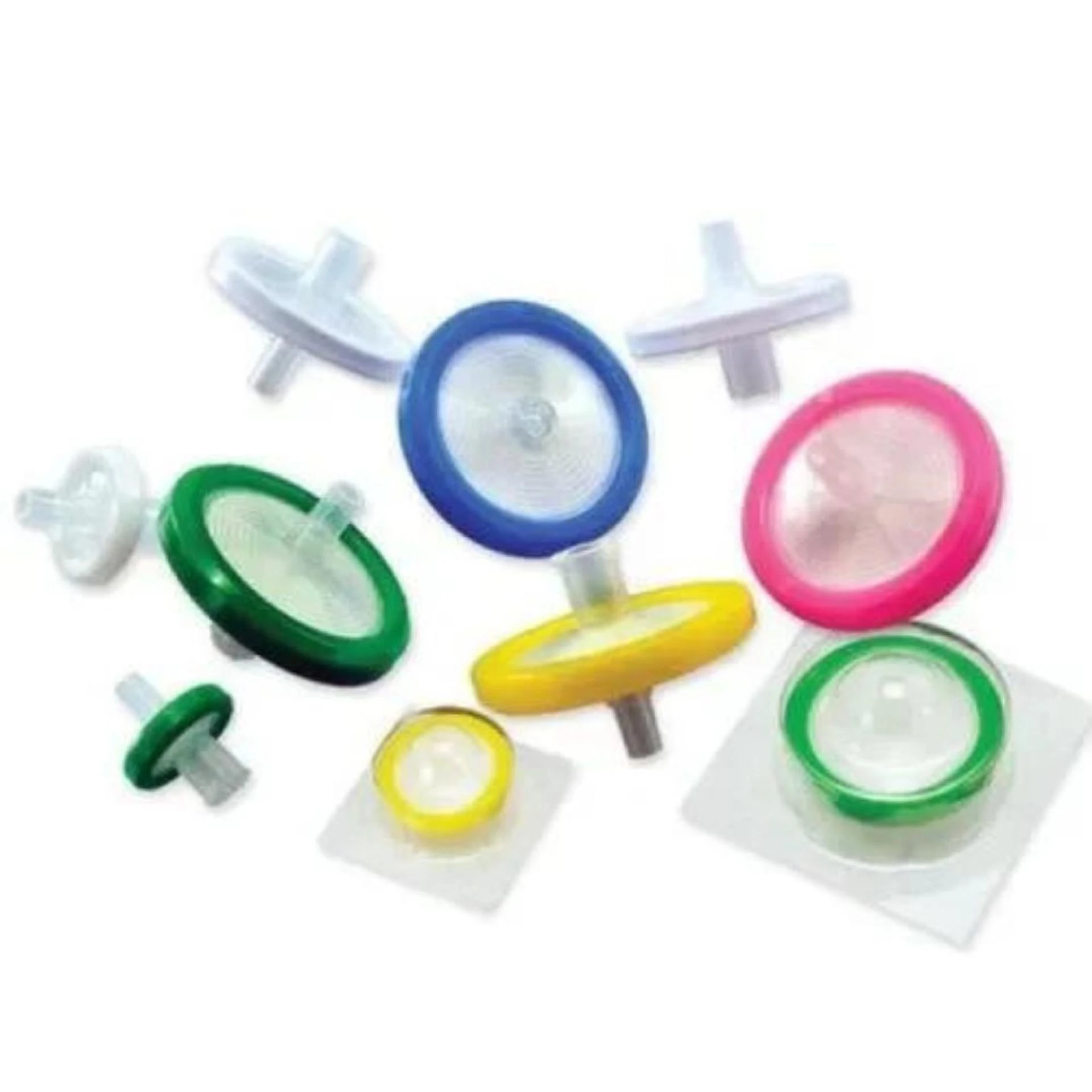
Understanding PVDF Syringe Filters: PVDF is a highly durable and chemically resistant material, making it an ideal choice for filtration applications in laboratories across various disciplines. PVDF syringe filters consist of a housing with a membrane made of PVDF material. These filters are designed to remove particulates and impurities from liquid samples, ensuring that only the desired components pass through for analysis.
Applications in Laboratory Filtration: PVDF syringe filters find widespread use in a multitude of laboratory applications, including:
Sample Preparation: Before analysis, liquid samples often require filtration to remove particles that could interfere with testing. PVDF syringe filters excel in this regard, providing efficient filtration without compromising the integrity of the sample.
HPLC (High-Performance Liquid Chromatography): In HPLC, the purity of the mobile phase is crucial for accurate separation and analysis of compounds. PVDF syringe filters are compatible with a wide range of solvents used in HPLC, ensuring that the mobile phase remains free from contaminants that could affect chromatographic results.
Biological Filtration: In biological research, maintaining sterility is essential to prevent contamination of cell cultures or protein solutions. PVDF syringe filters with pore sizes suitable for sterile filtration offer an effective barrier against bacteria, fungi, and other microorganisms.
Clarification of Solutions: In applications where clarity of the solution is important, such as cell culture media preparation or protein purification, PVDF syringe filters with precise pore sizes can efficiently remove particulates, resulting in a clear and debris-free solution.
Advantages of PVDF Syringe Filters: Several key advantages make PVDF syringe filters a preferred choice in laboratory filtration:
Chemical Compatibility: PVDF is resistant to a wide range of solvents, acids, and bases, ensuring compatibility with various sample matrices without the risk of material degradation or leaching.
Low Protein Binding: PVDF syringe filters exhibit minimal protein binding, making them suitable for applications involving biological samples where sample recovery is critical.
High Flow Rates: The hydrophilic nature of PVDF membranes promotes rapid flow rates, allowing for faster filtration without compromising efficiency.
Thermal Stability: PVDF syringe filters can withstand a wide range of temperatures, making them suitable for both cold and hot filtration processes.
Conclusion: In the intricate landscape of laboratory research, precision and purity are indispensable. PVDF syringe filters play a vital role in achieving these objectives by providing efficient filtration of liquid samples while maintaining the integrity of the analytes. Their chemical resistance, low protein binding, and high flow rates make them a preferred choice across diverse laboratory applications, from sample preparation to HPLC and biological filtration. As technology advances and the demands for accuracy escalate, PVDF syringe filters stand as reliable allies in the pursuit of scientific excellence.


























Sign in to leave a comment.