

Volunteering has become more than simply travelling. In an era marked by rising environmental concerns, volunteers are turning to environmental volunteer opportunities to make a difference. It aims at protecting the environment, supporting the affected communities, and limiting environmental damage brought about by tourist activity.
In other words, the practice of environmental volunteering abroad, when performed responsibly, enables people to travel for a cause without negatively affecting the environment.
What is Sustainable Volunteering?
The core of sustainable volunteering revolves around the notion of responsibility, with both community involvement and ecological preservation. The main components include the reduction of carbon footprints from transportation, encouraging local development, protecting biodiversity, and promoting responsible tourism.
Tourism accounts for nearly 8 percent of global greenhouse gas emissions, making it even more important than ever before to be sustainable.
Why Environmental Volunteering Abroad Matters
The modern environmental issues are urgent and far-reaching:
● Over 1 million species are now on the brink of extinction
● About 75% of land ecosystems have been changed substantially by mankind
● Over 8 million tonnes of plastic waste enter our oceans each year
Volunteering overseas in environmental protection plays a crucial role here. It can help fill the gaps in environmental activities through assisting those organisations that cannot always hire enough workers or get sufficient funding.
Choosing Eco-Friendly Conservation Projects
Every volunteering project is not necessarily eco-friendly. There are those that will be truly beneficial to the environment and the community.
Examples of eco-friendly volunteer projects include:
● Wild animal conservation and rehabilitation
● Reforestation and habitat restoration
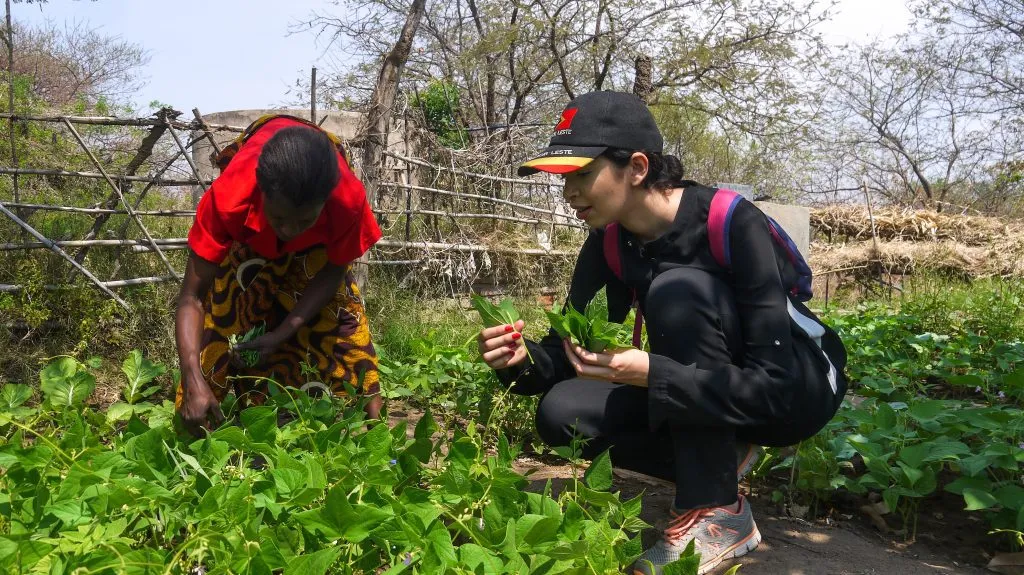
● Agricultural activities using sustainable practices
● Preservation of marine life ecosystems
Ethical volunteering in conservation travel will be related mostly to forest restoration, conservation of endangered species, and working alongside the locals, which resembles conservation gap year programs in conserving the environment.
Minimising Your Environmental Impact
Apart from being responsible volunteers, you should also practice mindfulness during your travels. Small day-to-day activities play a crucial role in minimising negative impact on nature.
Specific practices for achieving this include:
● Carrying reusable water bottles
● Avoiding single-use plastics
● Utilising public transportation
● Saving water and energy
● Treating wildlife areas with due respect
● Purchasing from environmentally-friendly enterprises
Integrating Community and Environmental Goals
Combining both goals leads to effective, sustainable volunteering practices. There are numerous examples of integrated practices, among which one may point to the following ones:
● Sustainable agriculture
● Eco-friendly construction of educational institutions
● Waste reduction and recycling initiatives
● Reforestation in cooperation with the locals
Learning and Sharing Sustainable Practices
One of the most significant advantages of participating in environmental volunteering abroad is gaining practical experience and knowledge from local communities that have managed to preserve the ecological balance for many years. Participants learn how to conserve natural resources, farm sustainably, manage water, and even govern the community.
Conclusion
Sustainable environmental volunteering abroad is about making the right decisions that benefit humans and nature. By engaging responsibly in environmental activities, travellers have an opportunity to make a significant difference. If you need an ethical and immersive environmental volunteering experience abroad, consider choosing TRU Experience Travel.





























Sign in to leave a comment.