In today’s fast-paced and design-driven world, businesses across various industries rely on high-quality printing to produce stunning graphics on apparel, home décor, signage, and more. Choosing the right printing technology can have a direct impact on the final product’s quality, durability, and appeal. Among the many available options, the Epson dye sublimation printer stands out for its consistency, vibrant output, and ease of use. This article compares dye sublimation with other popular printing methods to highlight why Epson printers are an ideal choice for professional and commercial printing needs.
Overview of Printing Methods
There are several major printing technologies used for textiles and graphics, each with its own process and advantages. These include:
- Dye sublimation
- Direct-to-garment (DTG) printing
- Screen printing
- Heat transfer vinyl (HTV)
- UV printing
While each method has specific uses and benefits, not all are equally suited for every application. The Epson dye sublimation printer is especially known for producing high-resolution images on polyester fabrics and coated substrates, making it a favorite in the custom apparel and signage markets.
What is Dye Sublimation Printing?
Dye sublimation is a digital printing method where heat and pressure are used to transfer dye onto materials. This technique involves printing the design on a special transfer paper using sublimation ink. The transfer paper is then placed onto the target surface, typically polyester fabric, and heated. The heat turns the ink into gas, which then bonds with the material’s fibers, resulting in a vivid, permanent print.
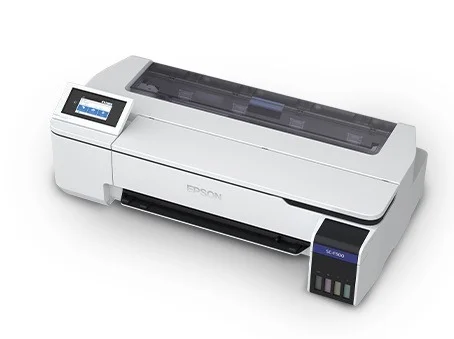
Epson dye sublimation printers take this process to the next level by delivering exceptional color accuracy, sharpness, and efficiency. Their printers are designed to produce reliable and vibrant results for businesses requiring consistent quality.
Comparing Dye Sublimation with Direct-to-Garment Printing
Direct-to-garment (DTG) printing involves spraying ink directly onto the fabric, much like how a standard inkjet printer applies ink to paper. While DTG works well on cotton and blends, it does not offer the same color vibrancy and durability on synthetic fabrics.
Dye sublimation, in contrast, produces more detailed and vibrant designs on polyester garments. Epson dye sublimation printers ensure the ink becomes part of the fabric itself, resulting in soft prints that won’t crack or peel. While DTG is ideal for small batches on cotton, dye sublimation is preferred for high-performance apparel, activewear, and bright designs on polyester.
Dye Sublimation vs. Screen Printing
Screen printing is a traditional method where ink is pushed through a mesh screen onto fabric or paper. It’s popular for large runs and simple designs with a few colors. However, it becomes less efficient for full-color or complex prints.
In comparison, dye sublimation doesn’t require creating individual screens for each design. Epson printers allow for rapid design changes, customization, and photo-quality prints. For businesses that want on-demand production or a wide range of colors in each print, Epson dye sublimation offers flexibility that screen printing lacks.
Dye Sublimation vs. Heat Transfer Vinyl (HTV)
HTV involves cutting vinyl designs and applying them to fabric using a heat press. While it’s easy to use and suitable for small projects or simple logos, it lacks the softness and seamless finish of dye sublimation. HTV can feel bulky and may peel over time with washing.
Epson dye sublimation printers offer a more professional and lasting result. Since the ink becomes embedded into the fabric, the final output feels like part of the material and remains vibrant after multiple washes. For businesses focused on comfort and quality, dye sublimation provides a clear advantage.
UV Printing vs. Dye Sublimation
UV printing uses ultraviolet light to cure or dry the ink as it is printed. This technique is great for rigid surfaces like glass, wood, or metal but is less effective for soft textiles. While UV printing is highly durable for signage and promotional items, it doesn't offer the same flexibility and comfort for garments.
Epson dye sublimation printers are more suitable for printing on fabrics and soft goods. They are widely used for clothing, bags, curtains, and soft signage. For textiles, dye sublimation offers better integration with the fabric and a more natural feel.
Epson Printers and Sublimation Ink Quality
The quality of ink used in dye sublimation printing significantly affects the end result. Epson printers are known for their proprietary UltraChrome DS inks, designed to produce vibrant colors with a wide color gamut. These inks are optimized for Epson printheads, ensuring smooth gradients, rich blacks, and accurate skin tones.
Epson printers also offer consistent color reproduction across batches, which is critical for branding and repeat orders. With Epson dye sublimation printers, businesses can expect professional-grade quality that meets the demands of high-end retail and commercial markets.
Cost Efficiency and Productivity
While screen printing and DTG may have lower initial costs for small runs, they often require more time and labor per unit. Epson dye sublimation printers offer a balance of speed and cost-efficiency, especially for medium to large production runs.
Epson printers are designed with high-capacity ink tanks, fast drying times, and automated media handling, which reduces downtime and boosts productivity. Over time, businesses benefit from lower waste, minimal rework, and consistent output.
Environmental Considerations
Sustainability is a growing concern in the printing industry. Epson dye sublimation printers are an eco-friendly option due to their waterless printing process and reduced chemical usage. There are no screens to clean or dispose of, and the inks are safe for textile applications.
Epson printers are also energy-efficient and come with features that help reduce power consumption. For environmentally conscious brands, Epson dye sublimation provides a greener solution without compromising quality.
Ideal Applications for Epson Dye Sublimation Printers
The versatility of Epson dye sublimation printers makes them suitable for many industries and products, including:
- Sportswear and activewear
- Custom t-shirts and uniforms
- Home textiles like cushions and curtains
- Personalized gifts and merchandise
- Soft signage and trade show graphics
Businesses in fashion, promotional products, and interior décor can all benefit from the performance and reliability that Epson printers offer.
Conclusion
When comparing dye sublimation to other printing technologies, the advantages of the Epson dye sublimation printer become clear. With superior color quality, durability, cost-efficiency, and environmental benefits, Epson printers offer an unmatched solution for professionals in the textile and graphics industries. Whether you are printing sports apparel, home décor, or promotional items, investing in Epson printers ensures that your products stand out for their quality and appeal.



















Sign in to leave a comment.