
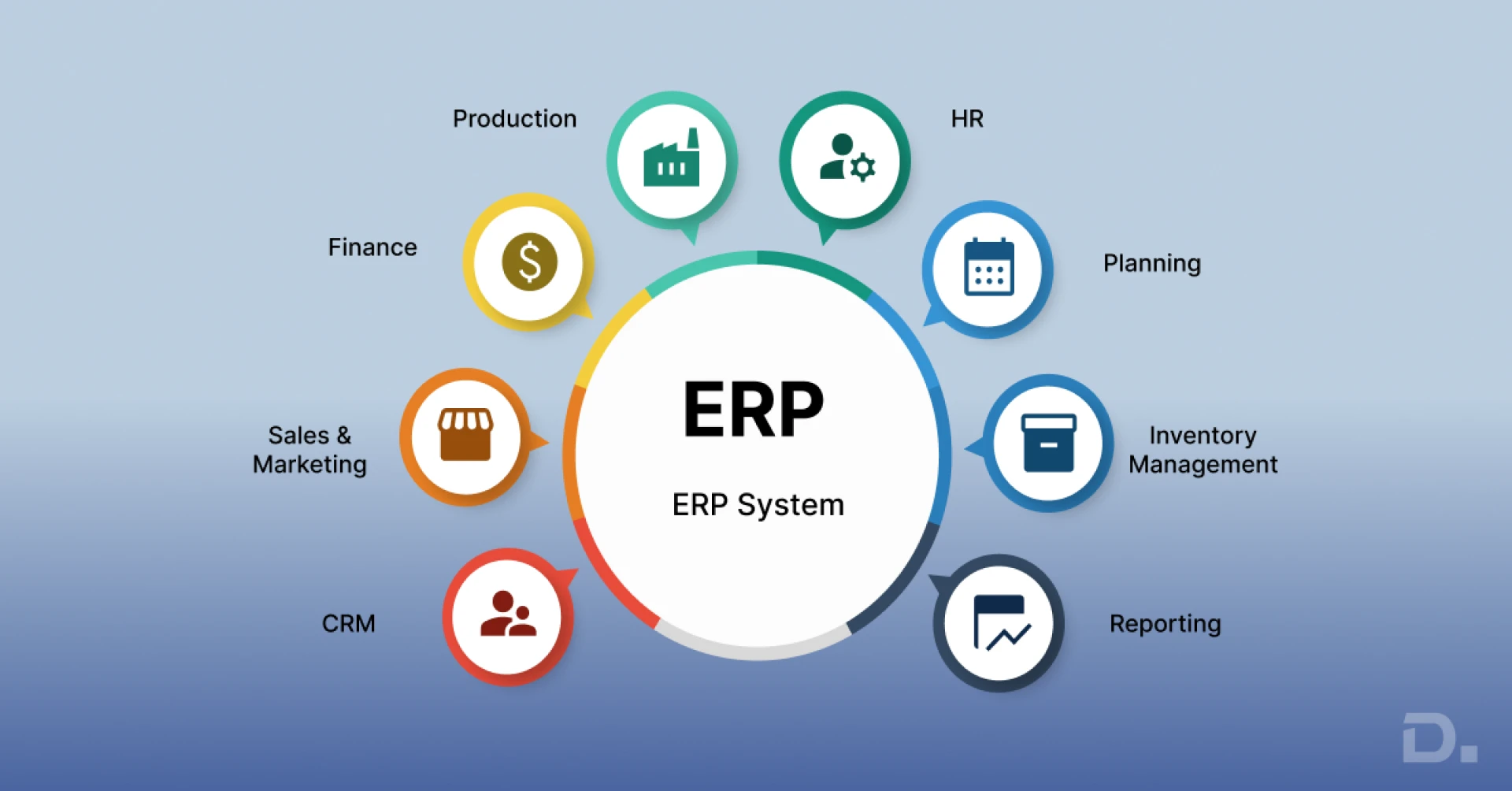
Enterprise Resource Planning (ERP) systems are no longer optional technology investments—they are strategic foundations for modern businesses. In an era defined by real-time data, digital transformation, and global competition, organizations require a unified platform that connects finance, operations, supply chain, human resources, and customer management.
An ERP system eliminates silos, improves decision-making, and enables scalable growth. But with dozens of platforms available, choosing the right ERP solution in 2026 can feel overwhelming.
This guide explores the top ERP systems for businesses in 2026, their strengths, and which types of organizations benefit most from each.
Why ERP Systems Matter More Than Ever in 2026
Businesses today face increasing operational complexity:
- Multi-location operations
- Global supply chains
- Hybrid and remote workforce models
- Ecommerce and omnichannel sales
- Regulatory and compliance demands
ERP systems unify data across departments, providing:
- Real-time visibility into business performance
- Improved financial control
- Streamlined supply chain management
- Automated reporting and compliance
- Better forecasting and strategic planning
Organizations that implement ERP effectively see measurable gains in productivity, accuracy, and scalability.
Top ERP Systems for Businesses in 2026
1. Microsoft Dynamics 365 Business Central
Best for: Small to mid-sized businesses (SMBs)
Business Central is a modern, cloud-ready ERP platform designed for growing companies that need enterprise-grade capabilities without enterprise-level complexity.
Key Features
- Financial management, CRM, supply chain, and project management
- Integration with Microsoft 365, Azure, and Power BI
- Real-time dashboards and analytics
- Cloud, on-premises, and hybrid deployment
Benefits
- Unified business data across departments
- Familiar Microsoft ecosystem improves adoption
- Flexible and scalable for growing businesses
Why Choose It?
For SMBs already using Microsoft tools, Business Central provides seamless integration and an intuitive transition into ERP.
2. Microsoft Dynamics 365 Finance & Operations
Best for: Large enterprises and global organizations
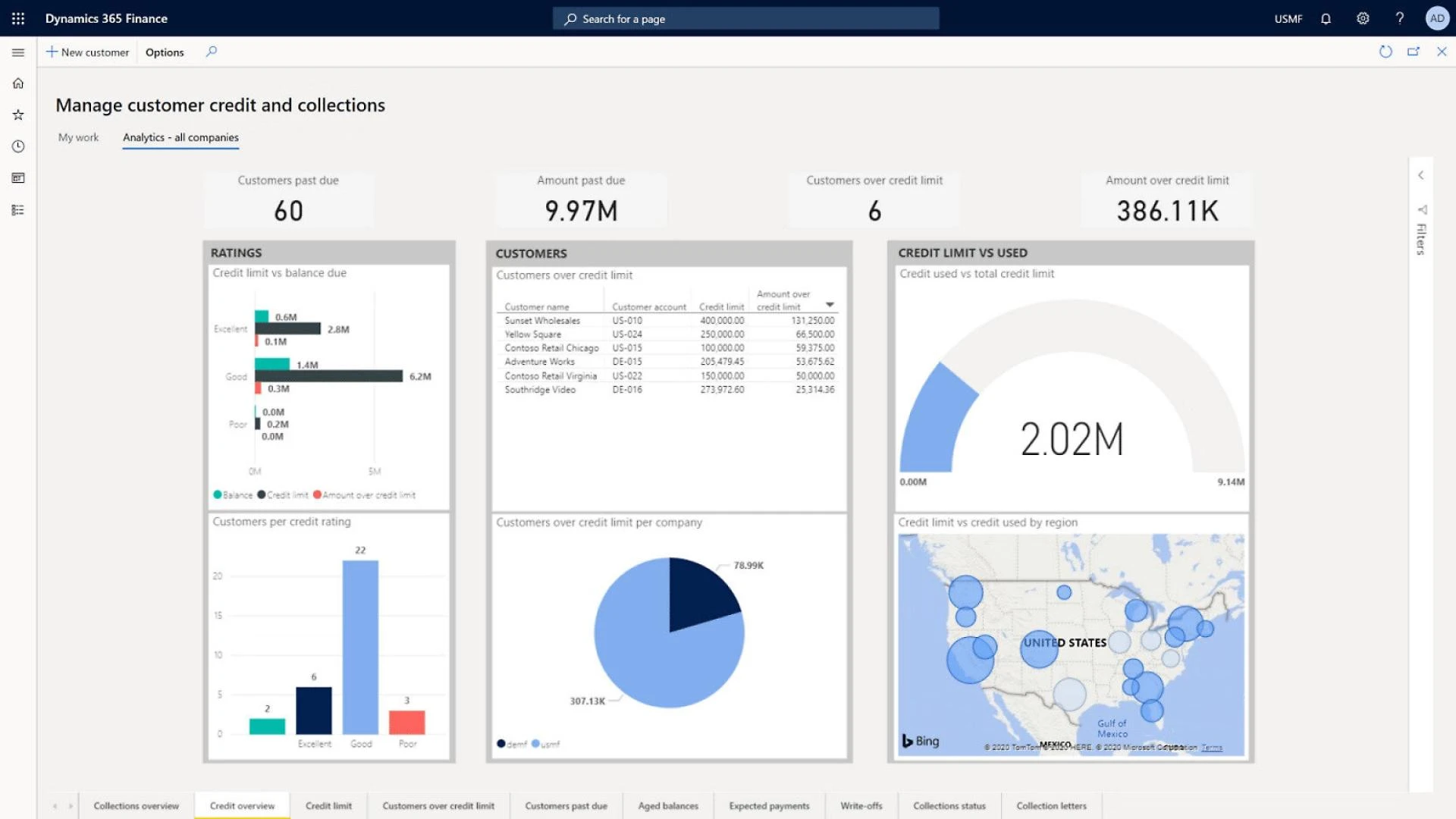
D365 Finance and Operations (F&O) is designed for enterprises requiring advanced financial control, manufacturing, and supply chain capabilities.
Key Features
- Advanced budgeting, forecasting, and financial reporting
- End-to-end supply chain and inventory management
- Manufacturing planning and production control
- AI-driven automation and predictive insights
Benefits
- Enterprise-wide operational visibility
- Improved cost control and performance tracking
- Scalability across countries and legal entities
Why Choose It?
Organizations seeking deep financial and operational integration benefit from its enterprise-grade functionality and global compliance features.
3. SAP S/4HANA
Best for: Large, complex enterprises
SAP S/4HANA is powered by SAP’s in-memory HANA database, delivering high-speed analytics and processing.
Key Features
- Real-time financial and operational analytics
- Industry-specific modules
- Advanced compliance capabilities
- Flexible deployment models
Benefits
- Immediate insights for decision-making
- Scalable architecture for global operations
- Strong industry specialization
Why Choose It?
Ideal for enterprises requiring advanced analytics and global-scale operational control.
Also Read: SAP Alternatives
4. Oracle ERP Cloud
Best for: Global enterprises with advanced financial needs
Oracle ERP Cloud offers a comprehensive cloud-first ERP solution with strong financial automation.
Key Features
- Financial management and procurement automation
- AI-powered forecasting
- Risk and compliance monitoring
- Real-time reporting
Benefits
- Enhanced financial accuracy
- Automated workflows
- Enterprise scalability
Why Choose It?
Organizations prioritizing advanced financial automation and global consolidation often select Oracle.
5. NetSuite ERP
Best for: Growing SMBs and mid-market firms
NetSuite provides a fully cloud-based ERP platform with strong financial and ecommerce capabilities.
Key Features
- Financials, CRM, inventory, ecommerce
- Multi-currency and multi-subsidiary management
- Real-time dashboards
Benefits
- Streamlined operations
- Scalable cloud architecture
- Strong visibility for growing companies
Why Choose It?
Companies expanding internationally benefit from its multi-entity capabilities.
6. Infor CloudSuite
Best for: Industry-specific organizations
Infor CloudSuite focuses heavily on vertical specialization.
Strengths
- Industry-built workflows
- Built-in best practices
- Advanced analytics
Ideal For
Manufacturing, healthcare, and distribution businesses seeking tailored ERP solutions.
7. Acumatica
Best for: Flexible, integration-focused businesses
Acumatica’s open architecture allows easy third-party integrations.
Strengths
- Flexible licensing
- Strong customization capabilities
- Cloud-native design
Ideal for organizations requiring adaptability and system extensibility.
8. Epicor ERP
Best for: Manufacturing and distribution
Epicor offers strong operational depth for production-heavy industries.
Strengths
- Industry specialization
- Global localization support
- Real-time business intelligence
9. Sage Intacct
Best for: Financial-first organizations
Sage Intacct focuses on cloud financial management.
Strengths
- Core accounting and financial reporting
- Multi-entity management
- Financial automation
Ideal for SMBs seeking strong accounting functionality.
10. Syspro
Best for: Manufacturing and distribution SMEs
Syspro delivers operational control and manufacturing depth.
Strengths
- Industry-Centric Functionality
- Flexible Deployment Options
- Integrated Operational Visibility
- Customization & Scalability
11. Odoo
Best for: Cost-conscious, customization-heavy businesses
Odoo offers modular ERP functionality with open-source flexibility.
Strengths
- Highly Modular Architecture
- Open-Source Flexibility
- Low Total Cost of Ownership (TCO)
How to Choose the Right ERP System in 2026
Selecting an ERP is not just about features—it’s about alignment.
Consider:
- Business size and growth trajectory
- Industry requirements
- Budget and ROI expectations
- Cloud vs on-premises preference
- Integration needs
- Regulatory compliance requirements
Enterprise vs SMB ERP
- SMBs often benefit from platforms like Business Central or NetSuite.
- Large enterprises may require Dynamics 365 Finance & Operations, SAP, or Oracle.
ERP Trends Shaping 2026
Modern ERP platforms are evolving rapidly. Key trends include:
- AI-powered forecasting and automation
- Embedded analytics and real-time dashboards
- Cloud-first deployment strategies
- Low-code customization tools
- Greater integration with ecommerce and CRM systems
ERP systems are moving from transactional systems to intelligent decision platforms.
Final Thoughts
The best ERP system is not necessarily the most powerful—it’s the one aligned with your operational complexity, industry needs, and growth ambitions.
From Microsoft Dynamics 365 and SAP S/4HANA to Oracle and industry-specific platforms, businesses in 2026 have a wide array of sophisticated ERP options.
By carefully evaluating requirements and long-term goals, organizations can select a system that improves operational efficiency, enhances financial visibility, and supports sustainable growth.
Ready to Choose Your ERP System?
Selecting and implementing an ERP platform requires expertise, planning, and strategic alignment.
If you're evaluating ERP solutions such as Microsoft Dynamics 365 Business Central or Dynamics 365 Finance & Operations, the team at Dynamics Square can guide you through the selection and implementation journey. Get in touch with the experts.
A well-planned ERP investment today can define your competitive advantage tomorrow.



























Sign in to leave a comment.