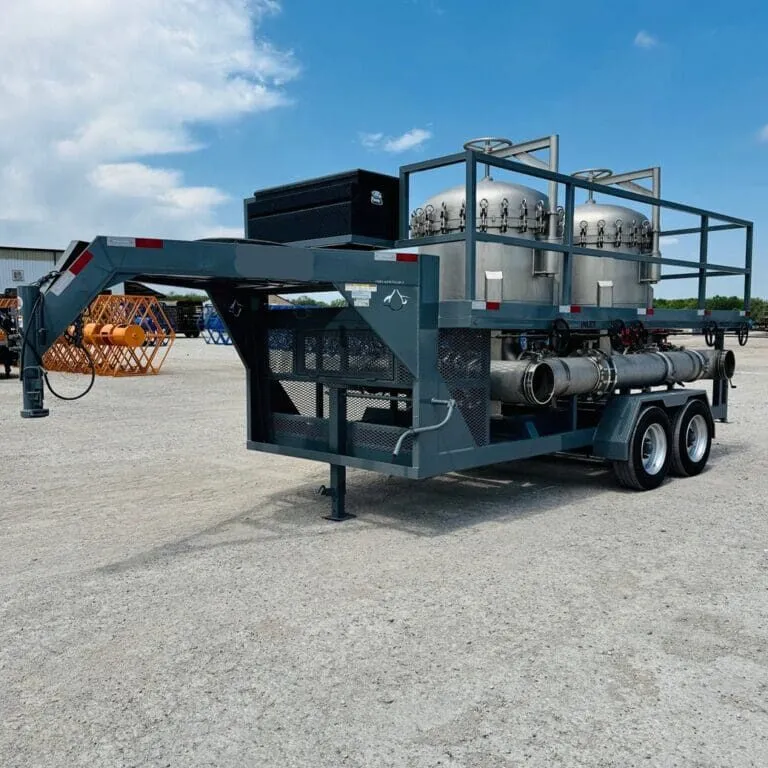

High pressure drop in a bag filter happens when airflow meets too much resistance moving through the filter bags - usually because of blinded bags, excessive dust cake buildup, or a cleaning system that isn't keeping up. In any industrial bag filter system, pressure drop climbing above 6 inches w.g. (water gauge) is generally the signal that something needs immediate attention.
What Happens When Filter Bags Get Blinded?
Blinded bags are the most common culprit. Over time, fine particles embed deep into fabric fibers rather than sitting on the surface where cleaning pulses can reach them. Surface dust cake actually helps filtration - it acts as a secondary filter layer - but once particles work into the weave itself, no cleaning cycle removes them. Airflow restriction builds steadily from there. Bags in this condition typically show pressure drop increases of 20–30% above baseline before most operators notice anything is wrong.
Can the Wrong Air-to-Cloth Ratio Cause This?
Yes, and it's one of the first things worth checking. The air-to-cloth ratio measures how much airflow is being pushed through a given area of filter media. Most standard applications run best between 3:1 and 6:1 ft³/min per square foot. Push beyond that consistently and dust cake never fully clears between cleaning cycles - it just accumulates layer after layer until resistance becomes a real problem across the whole bag filter industrial system.
How Does a Failing Cleaning System Make Things Worse?
A pulse-jet system losing pressure or misfiring doesn't knock dust cake off bags effectively. Common failure points include:
- Worn diaphragm valves that reduce pulse intensity
- Compressed air supply dropping below the 90–100 psi range most systems need
- Cleaning cycles timed too infrequently for the actual dust load
- Damaged blow pipes that misalign the air jet away from bag openings
Even one or two misfiring valves in a system for industrial bag filtration handling heavy dust loads can cause pressure drop to creep upward across the entire housing over days.
Does Moisture in the Gas Stream Play a Role?
More than most people expect. Moisture causes fine dust to clump and stick to bag fibers rather than releasing during cleaning. In processes where gas streams carry humidity - or where cold spots in ductwork cause condensation - dust cake becomes dense and pasty, resisting pulse cleaning entirely. A well-designed industrial bag filter system accounts for dew point temperatures and uses insulated ductwork to prevent this from becoming a recurring issue.
Why Is Continuous Pressure Drop Monitoring Worth It?
Pressure drop tells you what's happening inside the housing without opening it. Running a differential pressure gauge across the filter gives real-time feedback on bag condition and cleaning performance. Most facilities set alert thresholds around 5-6 inches w.g. and investigate before things climb further. In a well-maintained bag filter system for industrial use, pressure drop should stay relatively stable between cleaning cycles - a steady upward trend week over week always means something needs fixing.



























Sign in to leave a comment.