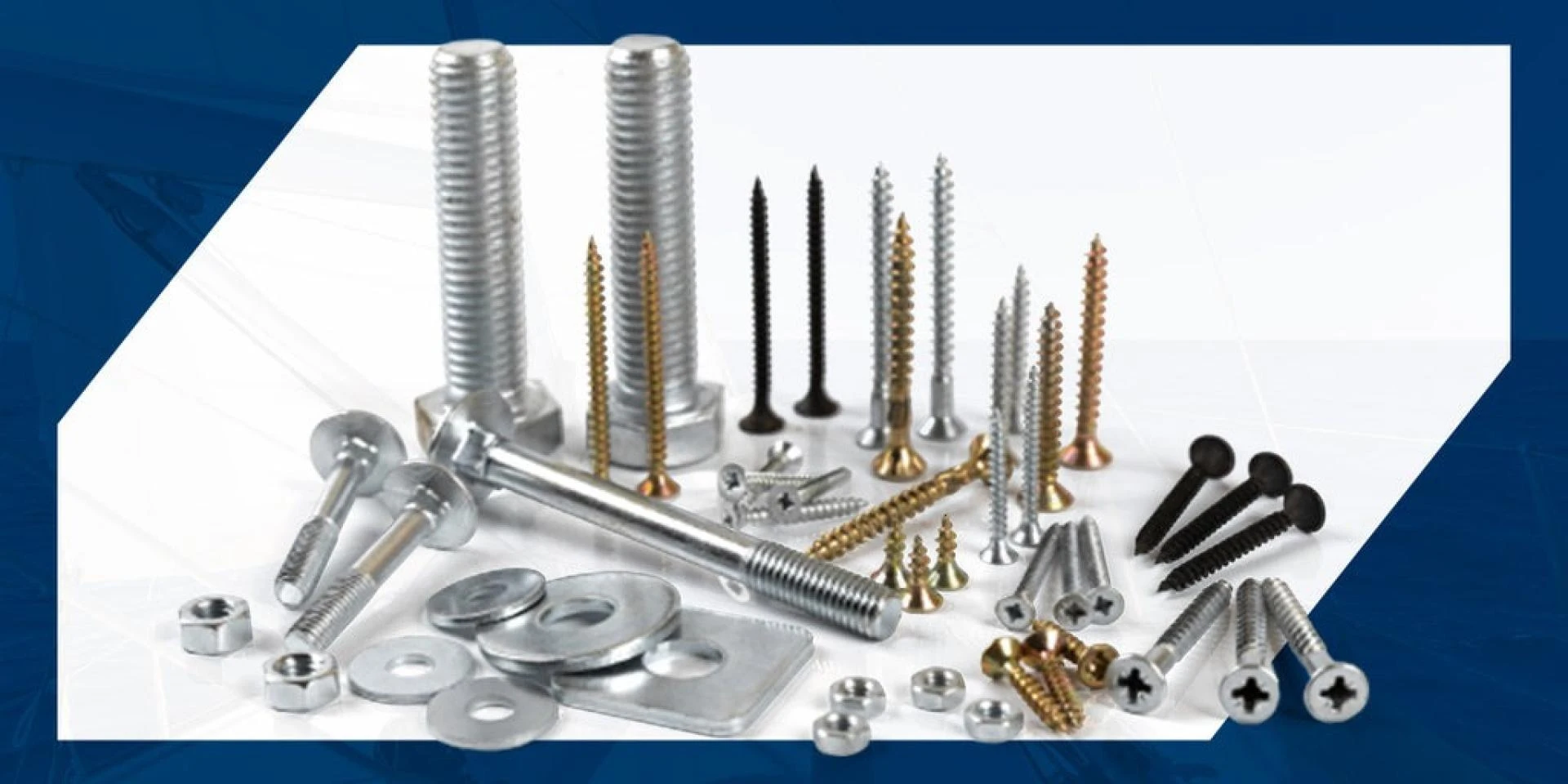

The oil field and marine industries face some of the toughest working conditions on the planet. Constant exposure to saltwater, extreme temperatures, and heavy vibrations means every piece of equipment must be reliable right down to the fasteners holding it together. Choosing the right type isn’t just about strength; it’s about durability in some of the harshest environments known to engineering.
Why Fastener Choice Matters in Harsh Environments
A single weak fastener can be the difference between smooth operations and costly downtime. In oil fields, equipment must endure intense pressure and mechanical stress. At sea, hardware battles corrosion day in and day out. That’s why engineers and maintenance teams often choose materials and designs that go far beyond what’s used in everyday construction.
Common Types of Fasteners Used
Here are some fasteners that have proven their worth in oil field and marine settings:
Stud Bolts
- Ideal for flange connections in pipelines.
- Can handle high-pressure applications.
- Often paired with protective coatings for added corrosion resistance.
Hex Bolts and Heavy Hex Nuts
- Widely used in machinery assembly.
- Strong grip and easy to tighten in the field.
Mild Steel Through Bolts and Anchors
- Popular for structural connections and heavy-duty installations.
- Provide a secure hold in concrete or steel frameworks.
- Can be galvanized or otherwise coated to resist corrosion.
U-Bolts
- Common in securing pipes and cylindrical equipment.
- Available in various metals and coatings for marine-grade durability.
Protective Coatings and Treatments
Since moisture and salt are constant enemies, coatings play a vital role:
- Hot-dip galvanizing adds a thick, durable zinc layer.
- Epoxy coatings create a chemical barrier against water.
- Stainless steel finishes resist rust naturally, though at a higher cost.
Key Considerations When Choosing Fasteners
- Material Compatibility – Avoid metal combinations that cause galvanic corrosion.
- Load Requirements – Select fasteners that can handle both the static and dynamic loads of the application.
- Ease of Maintenance – Choose designs that can be replaced or tightened without complex tools, especially in remote locations.
Final Thoughts
In the oil field and marine industries, the smallest components can make the biggest difference. Whether it’s a flange connection deep in an offshore platform or a pipeline anchor in a desert oil field, the right fastener ensures both safety and performance. With the right choice like well-protected Mild Steel Through Bolts and Anchors you’re not just holding parts together; you’re keeping entire operations running smoothly.





















Sign in to leave a comment.